The Complete Home Inspection Checklist for Apex, NC Buyers
What to look for during inspections to protect your investment in Apex's competitive real estate market.

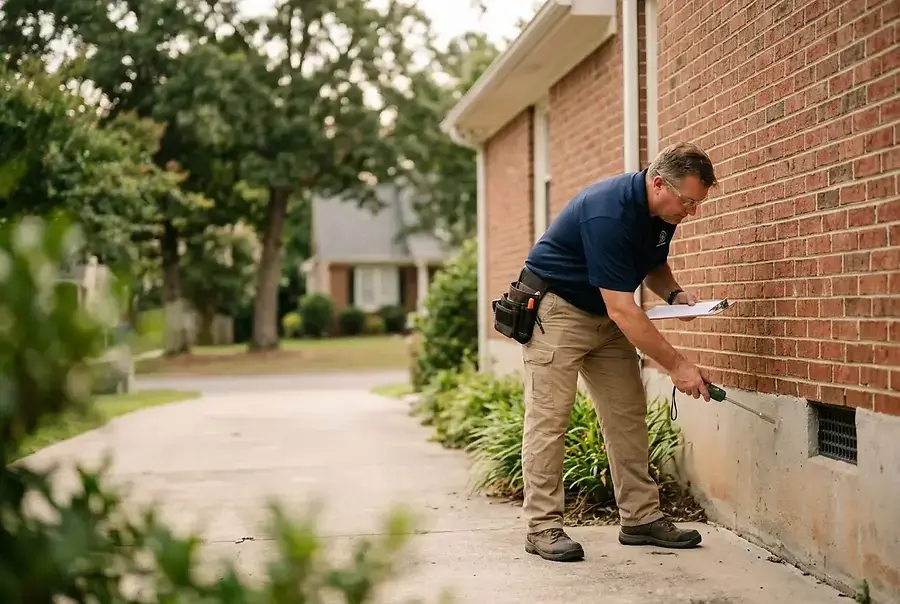
Why Home Inspections Matter in Apex
Buying a home in Apex, North Carolina is one of the most significant investments you'll make in your lifetime. The real estate market in Apex is competitive, with properties moving quickly and prices remaining strong. This competitive environment makes it even more critical to conduct a thorough home inspection before closing on your purchase.
A professional home inspection provides you with an objective assessment of the property's condition, identifying potential issues that could cost thousands of dollars to repair after purchase. Rather than discovering problems after you've signed the papers, a comprehensive inspection gives you the leverage to negotiate repairs or credits with the seller, or even walk away from a problematic property.
Home inspections protect your investment by uncovering hidden defects that aren't visible during a casual walkthrough. From structural issues to mechanical failures, a qualified inspector will examine every major system in the home.
Key Areas to Inspect: Foundation, HVAC, and Roofing in NC Homes
Foundation and Structural Integrity
The foundation is the backbone of any home. In Apex, where soil conditions and weather patterns can vary, foundation issues are a serious concern. During your inspection, look for:
- Visible cracks in the foundation walls or basement floors
- Water damage, staining, or signs of moisture intrusion
- Uneven or sloping floors that might indicate settling
- Gaps between walls and the foundation
- Efflorescence (white, chalky deposits on concrete)
Foundation repairs can be expensive, so any signs of structural problems should be thoroughly investigated by a structural engineer if recommended by your inspector.
HVAC Systems
North Carolina's climate means your heating and cooling system works hard throughout the year. The HVAC system is one of the most expensive components to replace in a home. During inspection, your professional should evaluate:
- Age and condition of the furnace and air conditioning unit
- Proper airflow and temperature consistency throughout the home
- Ductwork for leaks, disconnections, or damage
- Thermostat functionality and calibration
- Maintenance records and service history
- Refrigerant levels and system efficiency
A well-maintained HVAC system can last 15-20 years, but a neglected one may need replacement much sooner. Ask the seller for maintenance records to understand how well the system has been cared for.
Roofing and Exterior
Your roof is your home's first line of defense against North Carolina's weather, including heavy rains, wind, and occasional severe storms. The inspector should examine:
- Roof age and remaining lifespan
- Missing, cracked, or curling shingles
- Proper flashing around chimneys, vents, and skylights
- Gutters and downspouts for proper drainage
- Signs of leaks or water damage in the attic
- Proper ventilation in the attic space
Roof replacement is a significant expense, typically ranging from $8,000 to $15,000 or more depending on size and materials. Understanding the roof's condition is crucial for your decision-making process.
Understanding Inspection Reports and Negotiating Repairs
What to Expect in Your Inspection Report
A professional home inspection report will be detailed and organized, typically categorized by home systems and components. The report should include:
- Executive summary of major findings
- Detailed descriptions of each system inspected
- Photographs of problem areas
- Severity ratings (minor, moderate, major)
- Estimated repair costs when applicable
- Recommendations for further evaluation by specialists
Take time to review the report thoroughly and ask your inspector questions about anything you don't understand. Don't ignore items marked as "major" concerns—these require immediate attention.
Negotiating Repairs and Credits
Once you have the inspection report, you have several options:
- Request repairs: Ask the seller to fix identified issues before closing
- Request credits: Negotiate a credit toward closing costs to handle repairs yourself
- Request price reduction: Ask for a lower purchase price to account for needed repairs
- Walk away: Use inspection findings as justification to exit the contract if issues are severe
In Apex's competitive market, sellers may be less willing to make repairs, but it's always worth negotiating. Focus your requests on major systems and structural issues rather than cosmetic concerns. Be reasonable in your requests—sellers are more likely to agree to necessary repairs than extensive renovations.
When to Call in Specialists
Some issues require specialized expertise beyond a general home inspection. Consider hiring specialists for:
- Structural engineers (foundation concerns)
- Pest inspectors (termites and wood-boring insects)
- Mold specialists (water damage or moisture issues)
- Radon testing (radioactive gas detection)
- Well and septic inspectors (if applicable)
These additional inspections may cost $300-$800 each, but they provide peace of mind and detailed information about specific concerns.
Making Informed Decisions Before Closing
A home inspection is your opportunity to make an informed decision about one of the largest purchases of your life. Don't rush the inspection process or skip important steps just because the market is competitive.
Remember: A thorough inspection now can save you tens of thousands of dollars in unexpected repairs after closing.
Use the inspection report as a tool for negotiation and decision-making. If major issues are discovered, you have the right to address them before committing to the purchase. Work closely with your real estate agent and consider consulting with a real estate attorney if significant problems arise.
By following this comprehensive checklist and taking the inspection process seriously, you'll protect your investment and ensure that your new Apex home is a sound financial decision for years to come. The small investment in a professional inspection is well worth the protection it provides.