The Complete Home Inspection Checklist for Ashburn Buyers
Learn what to look for during inspections to avoid costly surprises and make confident purchase decisions.

Understanding the Home Inspection Process
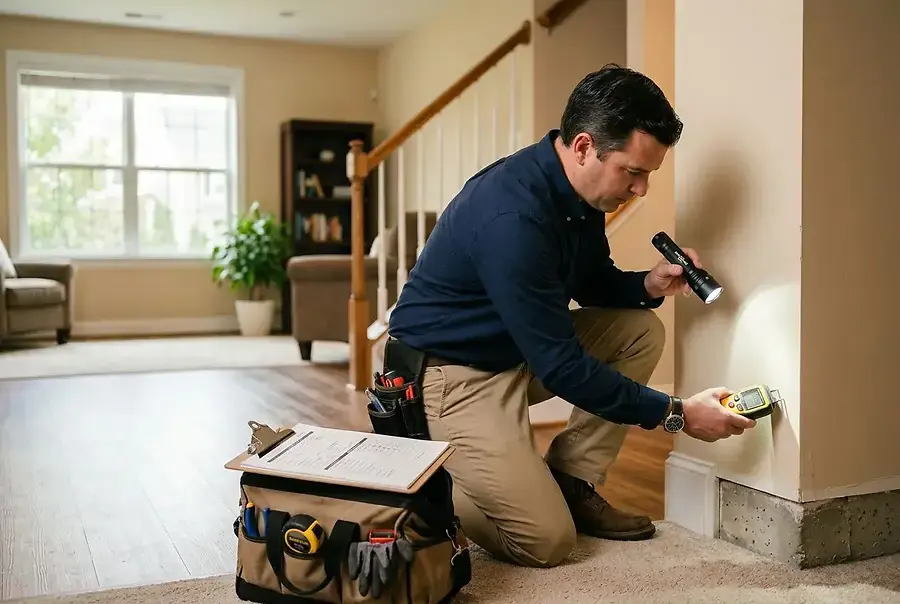
A home inspection is one of the most critical steps in the homebuying journey. This professional evaluation gives you a detailed understanding of your potential property's condition before you commit to the purchase. In Ashburn, where homes range from newer developments to established neighborhoods, inspections are essential for protecting your investment.
During a typical inspection, a certified home inspector will spend 2-3 hours examining the property's structural integrity, mechanical systems, and overall condition. They'll provide a detailed report highlighting any issues discovered. Understanding what inspectors look for helps you ask better questions and make more informed decisions about your purchase.
Why Home Inspections Matter
Many buyers skip or rush through inspections to close deals quickly, but this is a costly mistake. A thorough inspection can reveal hidden problems that could cost thousands to repair. From foundation issues to electrical hazards, these discoveries give you leverage to negotiate repairs, request credits, or walk away if necessary.
Key Areas to Evaluate During Your Inspection
Foundation and Structural Components
The foundation is your home's backbone. During inspection, look for:
- Cracks in the foundation – Small hairline cracks are normal, but larger or widening cracks indicate serious problems
- Water damage or moisture – Signs of basement flooding or seepage suggest drainage issues
- Uneven floors – This may indicate settling or structural movement
- Gaps between walls and foundation – These can signal foundation problems
Roof and Exterior
Your roof protects everything underneath it. Inspect for:
- Missing or damaged shingles – These compromise weatherproofing
- Sagging roof lines – This indicates structural issues or water damage
- Flashing condition – Damaged flashing around chimneys and vents causes leaks
- Gutter and downspout condition – Proper drainage prevents water damage
- Siding and exterior walls – Look for rot, damage, or deterioration
Plumbing Systems
Water-related issues are among the most expensive to repair. Check:
- Water pressure and flow – Low pressure may indicate pipe problems
- Visible leaks – Under sinks, around toilets, and in basements
- Water heater condition – Age and functionality are critical
- Septic or sewer systems – Proper function is essential for health and safety
- Pipe materials – Older homes may have outdated or problematic piping
Electrical Systems
Electrical issues pose safety risks. Evaluate:
- Panel condition and capacity – Outdated panels may need upgrading
- Grounding and bonding – Essential for safety
- Outlet functionality – Test outlets throughout the home
- Presence of aluminum wiring – This is a fire hazard in older homes
- GFCI protection – Required in bathrooms and kitchens
HVAC Systems
Heating and cooling systems are major investments. Assess:
- Age and condition of furnace and air conditioning – Replacement can cost $5,000-$10,000+
- Ductwork condition – Leaks reduce efficiency
- Thermostat functionality – Proper operation ensures comfort
- Maintenance records – Regular servicing extends system life
Interior Elements
Don't overlook the details inside your home:
- Windows and doors – Check for proper operation and seal integrity
- Insulation levels – Inadequate insulation affects energy efficiency
- Drywall and paint – Water stains indicate moisture problems
- Flooring condition – Assess for damage, wear, or safety issues
- Appliances – Verify age and functionality
Red Flags and When to Renegotiate
Major Concerns That Require Action
Some inspection findings are deal-breakers or require serious negotiation:
Foundation problems, roof replacement needs, major electrical or plumbing issues, and evidence of pest infestation or mold are serious red flags that demand attention.
When you discover significant issues, you have several options: request that the seller make repairs before closing, ask for a credit to cover repair costs, or renegotiate the purchase price. In some cases, walking away is the wisest choice.
Minor Issues vs. Major Concerns
Not every finding requires renegotiation. Minor cosmetic issues, small repairs, and normal wear-and-tear are typical in any home. Focus your negotiation efforts on items that affect safety, functionality, or require substantial investment.
Getting a Second Opinion
If the inspector identifies major issues, consider hiring a specialist for a more detailed evaluation. Structural engineers, electricians, or plumbers can provide expert assessments that inform your negotiation strategy.
Moving Forward with Confidence
Using Inspection Results Strategically
Your inspection report is a powerful negotiation tool. Present findings professionally and focus on factual, documented issues. Get repair estimates from licensed contractors to support your requests for credits or price reductions.
Planning for Future Maintenance
Even if the inspection reveals no major issues, use the report to plan future maintenance. Understanding your home's systems and their condition helps you budget for upcoming repairs and replacements.
Final Steps Before Closing
After addressing inspection concerns, schedule a final walkthrough to verify that agreed-upon repairs were completed satisfactorily. This last check ensures you're moving into a home that meets your expectations and protects your investment.
A thorough home inspection is your best defense against costly surprises. By understanding what to look for and how to respond to findings, Ashburn buyers can make confident decisions and secure their dream homes with peace of mind.


