The Complete Home Inspection Checklist for Barnesville Buyers
Learn what professional inspectors examine and how to protect your investment before closing.

Understanding the Home Inspection Process
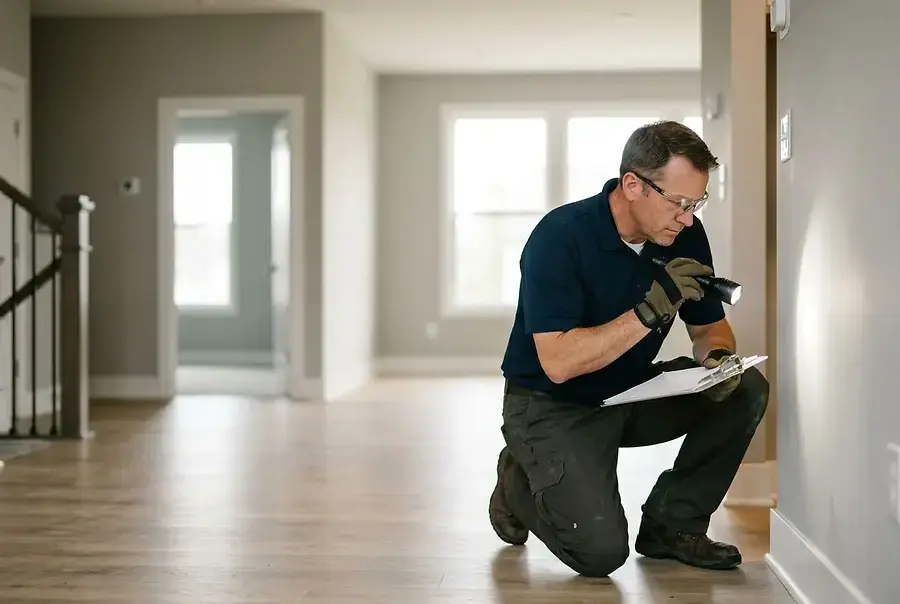
A home inspection is one of the most critical steps in the home-buying process. This thorough examination of a property's condition gives you valuable insight into what you're actually purchasing. In Barnesville, professional home inspectors typically spend 2-3 hours examining every accessible part of a home, from the foundation to the roof.
The inspection is a non-invasive evaluation that doesn't require any destructive testing. Inspectors use specialized tools and their expertise to identify existing problems, potential safety hazards, and maintenance issues. This is your opportunity to understand the true condition of the property before you commit to the purchase.
Most home inspections are contingent on your offer, meaning you can negotiate repairs, request credits, or even walk away if significant issues are discovered. Understanding what inspectors look for helps you ask better questions and make informed decisions about your investment.
Critical Areas Inspectors Examine
Structural Components
Inspectors begin by evaluating the home's foundation and structural integrity. They look for cracks, settling issues, water damage, and signs of foundation movement. A compromised foundation can be one of the most expensive problems to fix, so this area receives careful attention.
The roof and attic are also critical inspection points. Inspectors check for:
- Roof age and remaining lifespan
- Missing or damaged shingles
- Proper ventilation and insulation
- Signs of leaks or water damage
- Structural support and framing
Electrical and Plumbing Systems
These systems are essential to daily living and safety. Inspectors examine the electrical panel, outlets, switches, and wiring for code compliance and safety hazards. They test GFCI outlets in kitchens and bathrooms and look for outdated or dangerous wiring.
For plumbing, inspectors check water pressure, drainage, and the condition of pipes. They test all fixtures and look for signs of leaks, corrosion, or water damage. Older homes in Barnesville may have outdated plumbing that requires updating, which is important to know before purchase.
HVAC Systems
Heating, ventilation, and air conditioning systems are inspected for proper operation and maintenance. Inspectors check:
- Age and condition of furnace or heat pump
- Air conditioning unit functionality
- Ductwork integrity and insulation
- Thermostat operation
- Filter accessibility and condition
Interior and Exterior Elements
Inspectors examine walls, ceilings, floors, doors, and windows for damage, moisture, and proper operation. They assess the condition of siding, gutters, downspouts, and grading around the foundation. Proper drainage is crucial to preventing water damage and foundation issues.
The kitchen and bathrooms receive special attention, with inspectors checking for water damage, proper ventilation, and fixture functionality. They also evaluate insulation levels and look for signs of pest infestation or mold.
Red Flags and What They Mean for Your Purchase
Major Concerns
Foundation problems are among the most serious issues discovered during inspections. Cracks, bowing walls, or signs of settling can indicate structural problems requiring expensive repairs. If discovered, you may want to hire a structural engineer for a second opinion.
Roof damage or age is another significant concern. If the roof is nearing the end of its lifespan, budget for replacement within the next few years. A new roof can cost $8,000-$15,000 or more, depending on size and materials.
Electrical hazards such as outdated wiring, improper grounding, or overloaded circuits pose safety risks and may require costly updates to meet current code standards.
Moderate Concerns
Issues like aging HVAC systems, plumbing leaks, or water damage in the attic are significant but often more manageable. These typically require repair or replacement but don't necessarily affect the home's structural integrity.
"Don't ignore inspection findings. Even minor issues can become major problems if left unaddressed."
Minor Issues
Cosmetic problems like worn paint, damaged caulking, or missing caulk around fixtures are typically inexpensive to address. While not urgent, noting these items helps you plan for future maintenance.
Taking Action: Next Steps After Your Inspection
Review the Report Carefully
Take time to thoroughly review the inspection report. Ask your inspector to explain any findings you don't understand. Request clarification on severity levels and estimated repair costs. Don't hesitate to ask questions—this is your investment.
Prioritize Issues
Categorize findings into three groups: critical (safety and structural), important (systems and major components), and minor (cosmetic and maintenance). This helps you decide which issues to address before closing.
Negotiate with the Seller
Based on inspection findings, you have several options:
- Request the seller make repairs before closing
- Ask for a credit to cover repair costs
- Request a price reduction
- Walk away from the deal if issues are too significant
Your real estate agent can help you determine which approach is most reasonable based on the market and specific findings.
Get Additional Inspections if Needed
For significant concerns, consider hiring specialists. A structural engineer can evaluate foundation issues, a roofer can assess roof condition, and a pest inspector can check for termites or other infestations. These additional inspections provide expert opinions that strengthen your negotiating position.
Plan for Future Maintenance
Even if you proceed with the purchase, use the inspection report as a maintenance guide. Address minor issues promptly to prevent them from becoming major problems. Regular maintenance protects your investment and keeps your home safe and comfortable.
A home inspection is an investment in peace of mind. By understanding what inspectors examine and taking action on their findings, Barnesville buyers can make confident decisions and protect their most significant investment.


