The Complete Home Inspection Checklist for Baton Rouge Homebuyers
Discover what to look for during a home inspection and how to protect your investment in Louisiana's humid climate.

Understanding the Home Inspection Process in Baton Rouge
Purchasing a home is one of the most significant investments you'll make in your lifetime. In Baton Rouge, where the climate presents unique challenges, a thorough home inspection is not just recommended—it's essential. A professional home inspector will spend two to three hours examining every aspect of the property, from the roof to the foundation, providing you with a detailed report that can influence your purchasing decision.
During the inspection, the inspector will evaluate the structural integrity, electrical systems, plumbing, HVAC systems, and overall condition of the home. In Baton Rouge specifically, inspectors pay special attention to issues related to Louisiana's subtropical climate, including water damage, pest infestations, and foundation problems. Understanding what happens during this process helps you prepare questions and know what to expect.
What to Expect During Your Inspection
Your home inspector will create a detailed report documenting the condition of major systems and components. This report becomes your roadmap for negotiations and future maintenance. Always attend the inspection in person—this allows you to ask questions, understand the findings, and see potential issues firsthand.
- Exterior inspection: roof condition, gutters, siding, and drainage
- Interior systems: electrical panels, water heaters, and HVAC units
- Plumbing: pipes, fixtures, and water pressure
- Foundation and structural elements
- Attic and crawl spaces for ventilation and moisture
Climate-Specific Issues: Moisture, Mold, and Foundation Concerns
Baton Rouge's humid subtropical climate creates an environment where moisture-related problems are common. The combination of high humidity, frequent rainfall, and warm temperatures makes homes vulnerable to specific issues that buyers must understand.
Moisture and Mold Problems
Moisture is the enemy of any home in Louisiana. Mold thrives in humid environments, and Baton Rouge provides ideal conditions year-round. During your inspection, look for:
- Visible mold or mildew on walls, ceilings, or crawl spaces
- Water stains indicating past or present leaks
- Musty odors suggesting hidden moisture
- Peeling paint or wallpaper
- Soft or warped wood in basements or crawl spaces
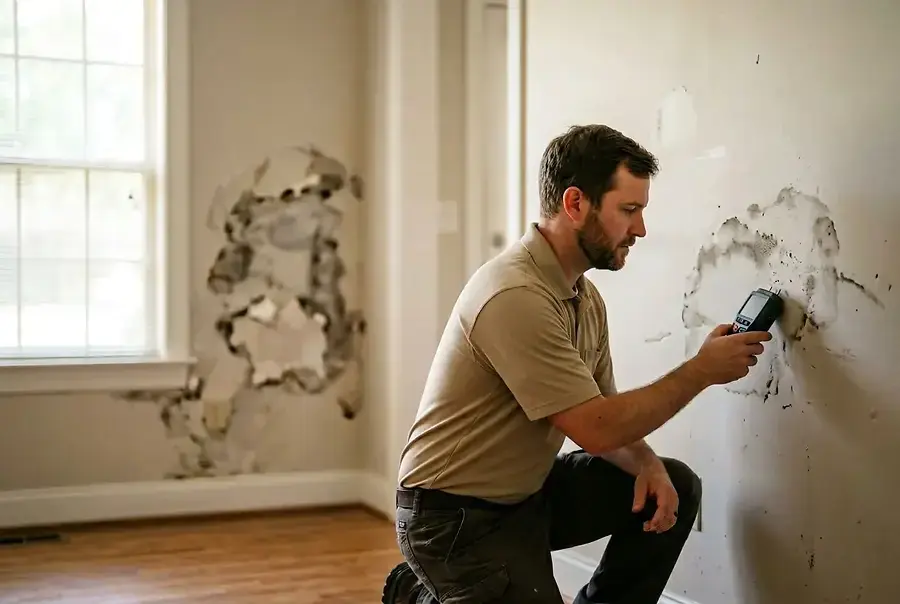
Pay special attention to bathrooms, kitchens, basements, and attics—these areas are most susceptible to moisture accumulation. A moisture meter can help identify problem areas before they become serious issues.
Foundation and Settling Issues
Louisiana's soil composition and water table create unique foundation challenges. Homes built on clay soil are particularly prone to settling and shifting. During your inspection, examine:
- Cracks in the foundation (hairline cracks are normal, but larger ones warrant concern)
- Uneven floors or doors that don't close properly
- Gaps between walls and ceilings
- Signs of previous foundation repairs
- Proper grading around the foundation to direct water away
Foundation issues can be expensive to repair, so this is a critical area to evaluate carefully. If you notice significant concerns, consider hiring a specialized foundation inspector for a second opinion.
Pest and Termite Concerns
Louisiana's warm climate is paradise for pests, particularly termites. A termite inspection is often required by lenders and should be part of your overall home evaluation. Look for:
- Mud tubes on foundation walls
- Wood damage or hollow-sounding wood
- Evidence of previous pest treatments
- Proper ventilation in crawl spaces to prevent pest habitats
Red Flags to Watch for and Negotiating Repairs
Not every issue found during an inspection is a deal-breaker, but certain red flags should prompt serious consideration or negotiation.
Major Red Flags
Structural problems are the most serious concern. Foundation cracks, severe settling, or water intrusion affecting the home's structural integrity can cost tens of thousands to repair. Similarly, roof damage or age is critical—a roof nearing the end of its lifespan will need replacement soon, which is a significant expense.
Electrical and plumbing issues also warrant attention. Outdated wiring, inadequate electrical capacity, or corroded pipes can pose safety hazards and require costly updates. HVAC system failures in Baton Rouge's climate are particularly problematic, as air conditioning is essential for comfort and health.
Negotiating Repairs and Credits
Once you receive the inspection report, you have several options:
- Request repairs: Ask the seller to fix major issues before closing
- Request credits: Negotiate a reduction in the purchase price to cover repairs yourself
- Walk away: If issues are too severe, you may choose to terminate the purchase
- Accept as-is: For minor issues, you might proceed without negotiation
Focus your negotiations on major systems and structural concerns. Minor cosmetic issues are typically the buyer's responsibility after purchase. Be realistic about repair costs—get quotes from contractors if needed to support your negotiation position.
Getting a Second Opinion
For significant concerns, don't hesitate to hire specialists. A structural engineer, foundation expert, or certified mold inspector can provide detailed assessments that inform your decision-making.
The cost of a specialist inspection is minimal compared to the potential expense of undiscovered problems.
Conclusion: Making Informed Decisions for Your New Home
A comprehensive home inspection is your best defense against costly surprises after purchase. In Baton Rouge, where climate-specific issues like moisture, mold, and foundation problems are common, paying close attention to inspection findings is particularly important.
Take the inspection process seriously by attending in person, asking detailed questions, and understanding the implications of any issues found. Use the inspection report as a negotiating tool and a guide for future maintenance. Remember, an informed buyer is a protected buyer.
By following this checklist and understanding what to look for, you'll be well-equipped to make confident decisions about your home purchase and protect your investment in Louisiana's unique climate.


