The Complete Home Inspection Checklist for Bixby, Oklahoma Buyers
Protect your investment in Bixby real estate with this comprehensive pre-purchase inspection guide.

Introduction: Why Home Inspections Matter in Bixby
Purchasing a home is one of the most significant financial decisions you'll make in your lifetime. In Bixby, Oklahoma, where the real estate market continues to grow, conducting a thorough home inspection before closing is absolutely essential. A professional home inspection can save you thousands of dollars by identifying potential issues before you commit to the purchase.
Home inspections serve as your protection against hidden defects and costly repairs. Whether you're buying a newly constructed home or an older property, an inspection provides peace of mind and gives you the information needed to make an informed decision. This comprehensive checklist will guide you through the critical areas to evaluate during your Bixby home inspection.
Key Areas to Inspect: Foundation, Systems, and Structural Elements
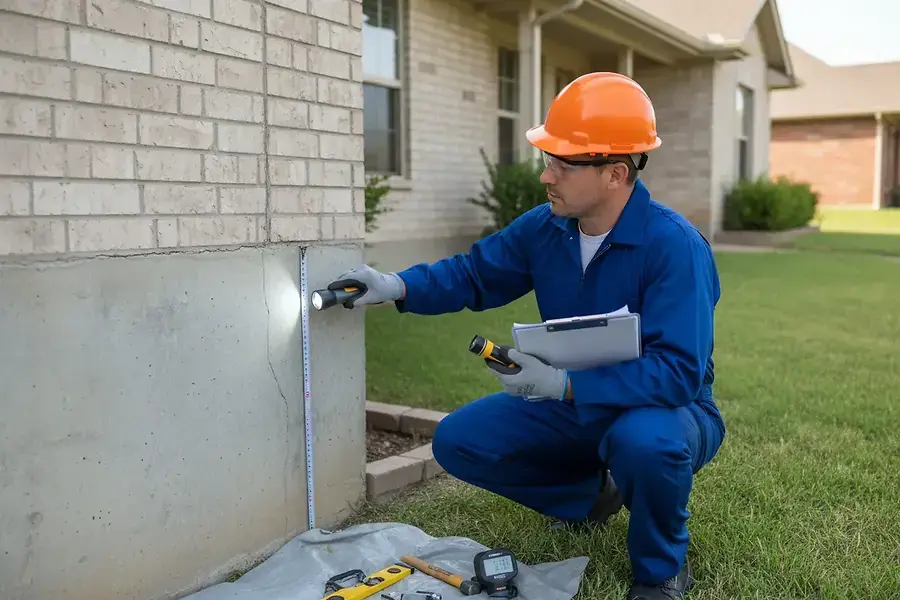
Foundation and Structural Integrity
The foundation is the backbone of any home. During your inspection, look for:
- Cracks in the foundation – Small hairline cracks are normal, but larger cracks may indicate serious structural issues
- Water damage or moisture – Signs of water intrusion can lead to mold and deterioration
- Uneven settling – Check for sloping floors or gaps between walls and ceilings
- Basement conditions – Inspect for dampness, efflorescence, or previous water damage
Bixby's climate and soil conditions can affect foundation stability, making this inspection particularly important for local buyers.
Roof and Exterior
Your roof protects everything beneath it. Evaluate:
- Roof age and condition – Most roofs last 20-25 years; check for missing or damaged shingles
- Gutters and downspouts – Ensure proper drainage to prevent water damage
- Siding and exterior walls – Look for rot, damage, or deterioration
- Windows and doors – Check for proper sealing and functionality
- Flashing around chimneys and vents – Poor flashing can cause leaks
Plumbing Systems
Water damage is one of the costliest issues homeowners face. During your inspection, verify:
- Water pressure and flow – Test all fixtures throughout the home
- Pipe condition – Older homes may have corroded or outdated piping
- Drainage systems – Check for slow drains or backups
- Water heater – Inspect age, condition, and proper operation
- Septic or sewer systems – Ensure proper function and maintenance
Electrical Systems
Electrical issues pose safety risks and can be expensive to repair. Inspect:
- Electrical panel – Verify proper grounding and adequate capacity
- Outlets and switches – Test for proper grounding and functionality
- Wiring – Older homes may have outdated or unsafe wiring
- GFCI protection – Ensure bathrooms and kitchens have proper protection
- Lighting fixtures – Verify all fixtures work properly
HVAC Systems
Oklahoma's climate demands reliable heating and cooling. Check:
- Furnace and air conditioning units – Verify age and proper operation
- Ductwork – Look for leaks or disconnections
- Thermostat functionality – Ensure proper temperature control
- Maintenance records – Ask for documentation of regular servicing
Interior Conditions
Don't overlook the interior details:
- Walls and ceilings – Check for water stains, cracks, or mold
- Flooring – Inspect for damage, wear, or structural issues
- Insulation – Verify adequate insulation in attic and walls
- Ventilation – Ensure proper airflow and moisture control
Red Flags to Watch For and How to Negotiate After Inspection Results
Critical Red Flags
Certain findings should raise immediate concerns:
- Major structural damage – Foundation cracks, sagging roofs, or settling issues
- Mold or water damage – Indicates potential health hazards and costly remediation
- Outdated electrical systems – Knob-and-tube wiring or insufficient capacity
- Plumbing problems – Corroded pipes, sewage backups, or failed septic systems
- HVAC failure – Non-functional heating or cooling systems
- Asbestos or lead paint – Health hazards requiring professional removal
Negotiation Strategies
Once you have your inspection report, you have several options:
Request repairs: Ask the seller to fix identified issues before closing. This is most effective for significant problems.
Request credits: Negotiate a credit toward closing costs to handle repairs yourself after purchase.
Price reduction: Request a lower purchase price to account for necessary repairs and improvements.
Walk away: If major issues exist and the seller won't negotiate, you may choose to terminate the contract, depending on your inspection contingency.
"A thorough home inspection is your best defense against costly surprises. Don't skip this critical step in the home-buying process."
Working with Your Inspector
Hire a certified, experienced home inspector familiar with Bixby properties. Ask about their qualifications, insurance, and whether you can attend the inspection. Being present allows you to ask questions and understand issues firsthand.
Conclusion: Making Informed Decisions Before Closing on Your Bixby Home
A comprehensive home inspection is your safeguard against purchasing a property with hidden defects. By systematically evaluating the foundation, systems, and structural elements outlined in this checklist, you'll gain confidence in your purchase decision.
Remember that no home is perfect, but understanding what you're buying empowers you to negotiate effectively and plan for future maintenance. Take your time reviewing the inspection report, ask questions, and don't hesitate to request professional opinions on significant findings.
Investing in a thorough home inspection today can save you tens of thousands of dollars in unexpected repairs tomorrow. As you move forward with your Bixby real estate purchase, let this checklist guide you toward making an informed, confident decision that protects your investment for years to come.


