The Complete Home Inspection Checklist for Bloomington Buyers
Discover the critical inspection checklist that protects your investment in Bloomington's residential market.

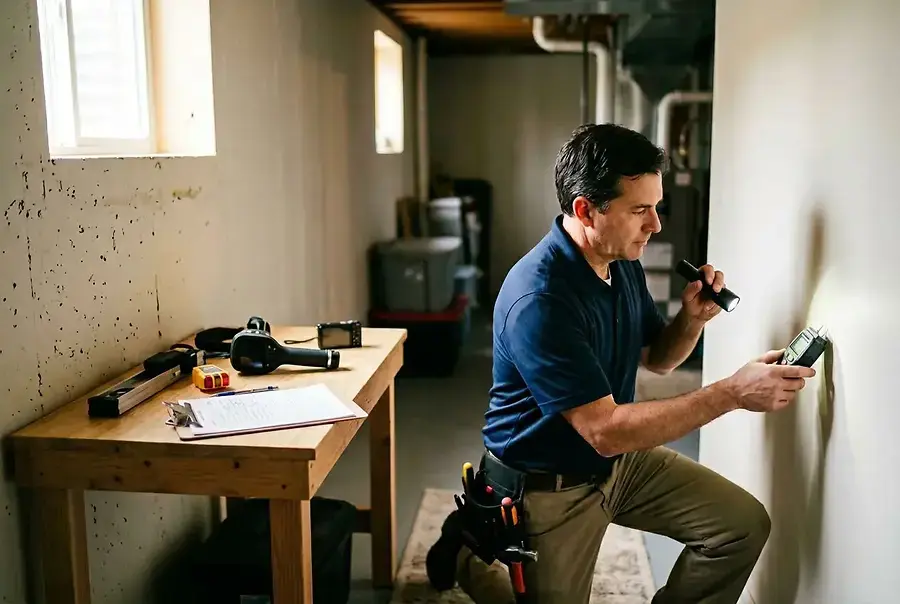
What to Expect During a Professional Home Inspection
A professional home inspection is one of the most important steps in the home-buying process. When you're purchasing a property in Bloomington, understanding what happens during this inspection can help you feel more confident and prepared. A typical home inspection lasts between two to three hours, depending on the size and condition of the property.
During the inspection, a certified home inspector will thoroughly examine the property's structure, systems, and components. You have the right to be present during this inspection, and it's highly recommended that you attend. This gives you the opportunity to ask questions, learn about the property's condition, and understand any issues that may arise.
The inspector will use specialized tools and equipment to assess various aspects of the home. They'll take photographs, make detailed notes, and compile a comprehensive report that outlines their findings. This report becomes a crucial document that you can use for negotiations or to make informed decisions about your purchase.
Key Areas Inspectors Focus On in Bloomington Homes
Structural Components
Inspectors pay close attention to the home's foundation, walls, and roof. In Bloomington, where weather patterns can be variable, the roof condition is particularly important. They'll check for signs of damage, deterioration, or improper repairs that could lead to costly issues down the road.
Electrical and Plumbing Systems
The electrical panel, wiring, outlets, and switches are thoroughly examined to ensure they meet current safety standards. Similarly, inspectors evaluate the plumbing system, including pipes, water pressure, drainage, and the water heater. These systems are critical to your home's functionality and safety.
HVAC Systems
Heating, ventilation, and air conditioning systems are essential in Bloomington homes. Inspectors test these systems to ensure they're operating efficiently and safely. They'll check the furnace, air conditioning unit, ductwork, and thermostat functionality.
Interior Features
The inspection includes a detailed look at:
- Windows and doors for proper operation and sealing
- Insulation and ventilation in attics and crawl spaces
- Flooring, walls, and ceilings for damage or wear
- Appliances that are included in the sale
- Basement or foundation for moisture issues or cracks
Exterior Elements
The inspector examines the exterior thoroughly, including the siding, gutters, downspouts, grading, and landscaping. Proper drainage around the foundation is crucial to prevent water damage and foundation problems.
How to Use Inspection Results to Negotiate Better Terms
Once you receive your inspection report, you'll have valuable information to guide your next steps. Don't panic if issues are found—most homes have some minor issues. The key is understanding which problems are significant and which are routine maintenance items.
Categorizing the Findings
Review the report and categorize issues into three groups:
- Major Issues: Structural problems, electrical hazards, plumbing failures, or HVAC system replacements
- Moderate Issues: Items that need repair or replacement within a few years
- Minor Issues: Cosmetic problems or routine maintenance items
Negotiation Strategies
Armed with your inspection report, you have several negotiation options. You can request that the seller make repairs before closing, ask for a price reduction to cover repair costs, or request a credit at closing. The strongest negotiating position comes from having detailed documentation of issues and repair estimates.
In Bloomington's competitive market, being strategic about which issues you negotiate is important. Focus on major structural or safety concerns rather than cosmetic items. Sellers are more likely to respond positively to requests that address significant problems.
Getting Repair Estimates
For major issues, obtain written estimates from licensed contractors. These estimates provide concrete numbers for your negotiations and demonstrate that you've done your homework. This professional approach often leads to more favorable outcomes.
Taking Action: Next Steps After Your Inspection Report
Review and Understand the Report
Take time to carefully read through the entire inspection report. Don't hesitate to contact your inspector if you have questions about specific findings. Understanding the severity and implications of each issue is crucial for making informed decisions.
Consult with Professionals
For any major issues identified, consider having a specialist evaluate the problem. For example, if the inspector notes foundation concerns, a structural engineer can provide a more detailed assessment. This additional expertise can be invaluable in negotiations.
Make Your Decision
Based on the inspection results and your negotiations, you'll need to decide whether to proceed with the purchase, request repairs, ask for credits, or walk away. Remember that you have the right to terminate the contract based on inspection findings, depending on your purchase agreement terms.
Plan for Future Maintenance
Even if issues are resolved before closing, use the inspection report as a guide for future maintenance. The inspector's notes about the age and condition of various systems can help you budget for replacements and repairs down the road.
Keep Documentation
Maintain copies of your inspection report, any repair estimates, and correspondence with the seller. These documents are valuable for warranty claims, insurance purposes, and future reference when you eventually sell the property.
A thorough home inspection is an investment in your peace of mind and financial security. By understanding what to expect, knowing which areas to focus on, and using the results strategically, Bloomington homebuyers can make confident, informed decisions that protect their investment for years to come.


