The Complete Home Inspection Checklist for Boca Raton Buyers
Learn what to look for during inspections to protect your investment and avoid costly surprises in Florida's humid climate.

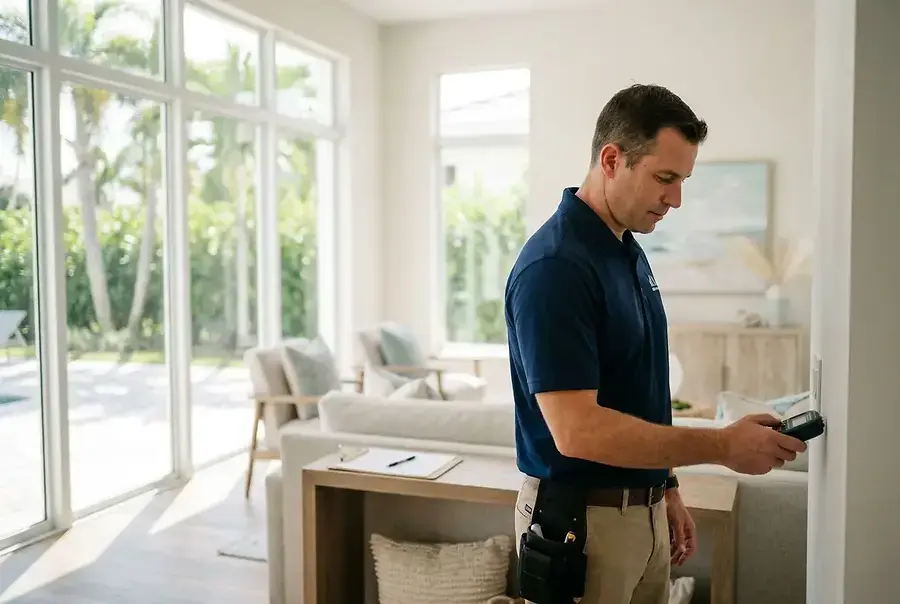
Understanding the Florida Home Inspection Process
Purchasing a home in Boca Raton is one of the most significant investments you'll make. A professional home inspection is your opportunity to uncover potential problems before closing the deal. In Florida, home inspections typically take 2-4 hours and cover the entire property, from foundation to roof.
A certified home inspector will examine structural integrity, mechanical systems, and safety features. They'll provide a detailed report highlighting any defects, safety concerns, or areas needing maintenance. Understanding this process helps you ask better questions and make informed decisions about your purchase.
What to Expect During Your Inspection
Your inspector will walk through the property systematically, checking every accessible area. You should attend the inspection personally—this gives you the chance to ask questions and understand the property's condition firsthand. The inspector will document findings with photos and detailed notes, creating a comprehensive report you'll receive within days.
Critical Areas to Examine in Boca Raton Properties
Roof and Attic
Florida's intense sun and frequent storms make roof condition critical. Inspectors will check for:
- Missing, cracked, or curled shingles
- Proper ventilation and insulation
- Signs of water damage or leaks
- Flashing around vents and chimneys
- Age of the roof (Florida roofs typically last 15-20 years)
Air Conditioning and HVAC Systems
In Boca Raton's tropical climate, a functioning AC system isn't a luxury—it's essential. Your inspector will evaluate:
- System age and maintenance history
- Proper cooling throughout the home
- Refrigerant levels and ductwork condition
- Thermostat functionality
- Filter accessibility and replacement schedule
Plumbing and Water Systems
South Florida's high water table and saltwater proximity create unique plumbing challenges. Critical inspection points include:
- Pipe material and condition (galvanized pipes are problematic)
- Water pressure and flow rates
- Septic system or municipal connection status
- Evidence of leaks or water damage
- Water heater age and functionality
Foundation and Structural Elements
Florida's sandy soil and moisture conditions can affect foundations. Inspectors look for:
- Cracks in concrete or foundation walls
- Signs of settling or shifting
- Proper drainage around the foundation
- Moisture intrusion in crawl spaces or basements
Electrical Systems
Outdated electrical systems are common in older Boca Raton homes. Your inspector will check:
- Panel capacity and breaker condition
- Proper grounding and bonding
- GFCI outlets in wet areas
- Aluminum wiring (a fire hazard)
- Overall safety compliance
Common Issues Found in South Florida Homes
Moisture and Mold
Florida's humidity is relentless. Moisture problems are among the most common issues found in South Florida inspections. Look for:
- Visible mold or mildew in bathrooms and kitchens
- Water stains on ceilings or walls
- Musty odors indicating hidden moisture
- Damaged drywall or insulation
Addressing moisture issues early prevents expensive mold remediation and structural damage.
Hurricane and Storm Damage
Even if a home appears fine, previous storm damage might be hidden. Inspectors check for:
- Roof repairs or patches
- Window and door frame integrity
- Proper installation of impact-resistant features
- Evidence of previous water intrusion
Pest Infestations
Termites, cockroaches, and other pests thrive in Florida's warm climate. Your inspector will look for:
- Termite damage in wood structures
- Pest droppings or evidence of infestation
- Gaps in exterior walls or foundation
- Recommendations for pest control treatment
Outdated Systems
Older Boca Raton homes may have systems nearing the end of their lifespan. Common concerns include:
- Aging air conditioning units requiring replacement
- Corroded plumbing requiring updates
- Outdated electrical panels
- Old water heaters with limited remaining life
Taking Action: Next Steps After Your Inspection
Review the Report Thoroughly
Don't skim the inspection report—read it carefully. Understand the severity of each finding. The inspector typically categorizes issues as safety concerns, major repairs needed, or minor maintenance items. This distinction helps you prioritize your response.
Request Clarification
Contact your inspector if anything is unclear. Ask about the cost to repair issues, urgency of repairs, and whether problems are common in the area. A good inspector will happily explain their findings.
Negotiate or Walk Away
Use inspection findings to negotiate with the seller. You might request repairs before closing, ask for a credit toward repairs, or request a price reduction. If major issues exist and the seller won't negotiate, walking away protects your investment.
Get Specialist Inspections if Needed
If the general inspection reveals concerns, consider specialized inspections:
- Mold inspection: If moisture issues are suspected
- Termite inspection: Required by most lenders anyway
- Roof inspection: For detailed assessment of roof condition
- Pool inspection: If the property has a pool
Plan Your Maintenance Strategy
After closing, prioritize repairs and maintenance based on the inspection report. Address safety issues immediately, then tackle major repairs. Create a maintenance schedule for routine items to prevent future problems.
A thorough home inspection is your best defense against costly surprises. In Boca Raton's unique climate, understanding what to look for during inspections protects your investment and ensures you're making an informed decision about your new home.


