The Complete Home Inspection Checklist for Bowie Homebuyers
Discover what professional inspectors look for and how to protect your investment before closing on your Bowie home.

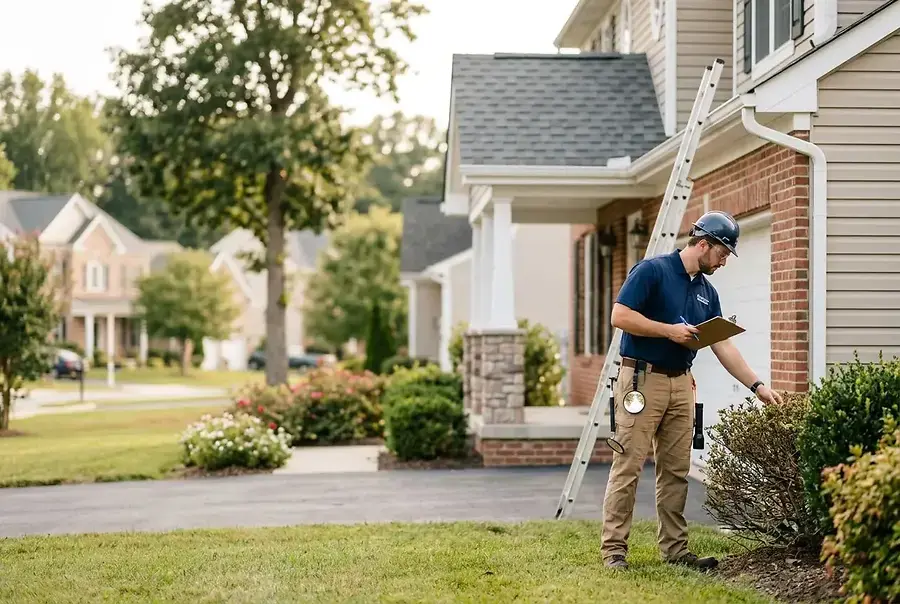
Introduction: Why Home Inspections Are Critical in Bowie's Real Estate Market
Purchasing a home is one of the most significant financial decisions you'll make in your lifetime. In Bowie's competitive real estate market, a thorough home inspection is your best defense against costly surprises after closing. A professional home inspection provides an objective assessment of a property's condition, helping you make informed decisions and potentially save thousands of dollars in unexpected repairs.
Many homebuyers underestimate the importance of inspections, viewing them as just another step in the buying process. However, a comprehensive inspection can reveal hidden issues that aren't visible during a casual walkthrough. From structural problems to outdated electrical systems, these discoveries can significantly impact your negotiating power and long-term satisfaction with your purchase.
What Professional Inspectors Evaluate During a Complete Home Inspection
Structural Components and Foundation
Professional inspectors begin by examining the home's foundation and structural integrity. They look for signs of settling, cracks, water damage, and moisture intrusion. In Bowie, where soil conditions and weather patterns can affect foundations, this assessment is particularly important. Inspectors will check basement walls, crawl spaces, and attics for any evidence of structural compromise.
Roofing and Exterior Systems
The roof is one of your home's most critical protective barriers. Inspectors evaluate:
- Shingle condition and remaining lifespan
- Flashing around chimneys and vents
- Gutters and downspout functionality
- Siding integrity and water damage
- Windows and door seals
A roof replacement can cost $10,000 or more, making this inspection area crucial for your budget planning.
Plumbing Systems
Inspectors test water pressure, check for leaks, and evaluate the condition of pipes throughout the home. They examine:
- Water supply lines and shut-off valves
- Drain systems and sewer lines
- Water heater age and condition
- Fixtures for proper function
- Evidence of past or present leaks
Electrical Systems
Electrical safety is non-negotiable. Professional inspectors verify that the electrical panel is properly grounded, check for outdated wiring, and ensure outlets are functioning correctly. They look for potential fire hazards and code violations that could require expensive upgrades.
HVAC and Climate Control
Heating and cooling systems are evaluated for age, efficiency, and proper operation. Inspectors check furnaces, air conditioning units, ductwork, and thermostats. Understanding the age of these systems helps you budget for future replacements.
Interior Components
Inspectors examine walls, ceilings, floors, and insulation for damage, moisture, or pest evidence. They also assess:
- Doors and windows operation
- Stairway safety
- Bathroom and kitchen functionality
- Appliance condition (if included in sale)
Common Issues Found in Bowie Properties and Negotiation Strategies
Water Damage and Moisture Problems
Bowie's climate can contribute to moisture-related issues. Water damage in basements, attics, or crawl spaces is common and can lead to mold growth and structural damage. If your inspection reveals moisture problems, request a professional mold assessment and obtain repair estimates before negotiating.
Outdated Electrical Systems
Older Bowie homes may have aluminum wiring or insufficient electrical capacity for modern needs. These issues require professional remediation and should be factored into your negotiation strategy. Request the seller provide documentation of any electrical upgrades completed.
Aging Roofs and HVAC Systems
Systems nearing the end of their lifespan are common findings. Rather than walking away, use inspection reports to negotiate credits toward replacement or request the seller complete repairs before closing.
Effective Negotiation Strategies
Pro Tip: Don't use inspection findings as a reason to renegotiate the entire purchase price. Instead, focus on specific repairs with documented costs. This approach is more likely to succeed with sellers.
When significant issues arise:
- Get multiple repair estimates to establish fair costs
- Prioritize major issues over minor cosmetic concerns
- Request seller repairs rather than price reductions when possible
- Obtain warranties on completed repairs
- Know your walk-away point before negotiations begin
When to Request a Second Opinion
If the inspection reveals significant issues in specialized areas like foundation problems or mold, hire a specialist for a detailed assessment. This additional investment protects your interests and provides concrete data for negotiations.
Conclusion: Using Inspection Reports to Make Confident Purchasing Decisions
A comprehensive home inspection is your opportunity to understand exactly what you're purchasing. Rather than viewing inspection findings as deal-breakers, use them as tools for informed decision-making and strategic negotiation.
Remember that no home is perfect. The goal is to identify issues, understand their severity and cost, and decide whether the property remains a good investment at the agreed-upon price. Armed with a detailed inspection report, you can move forward with confidence, knowing you've done your due diligence.
Before closing on your Bowie home, ensure you've received a thorough inspection, reviewed the findings carefully, and negotiated any necessary repairs or credits. This investment in the inspection process protects your financial future and ensures you're making one of life's biggest decisions with complete information.


