The Complete Home Inspection Checklist for Bowling Green Buyers
Essential steps to protect your investment and avoid costly surprises in your new home purchase.

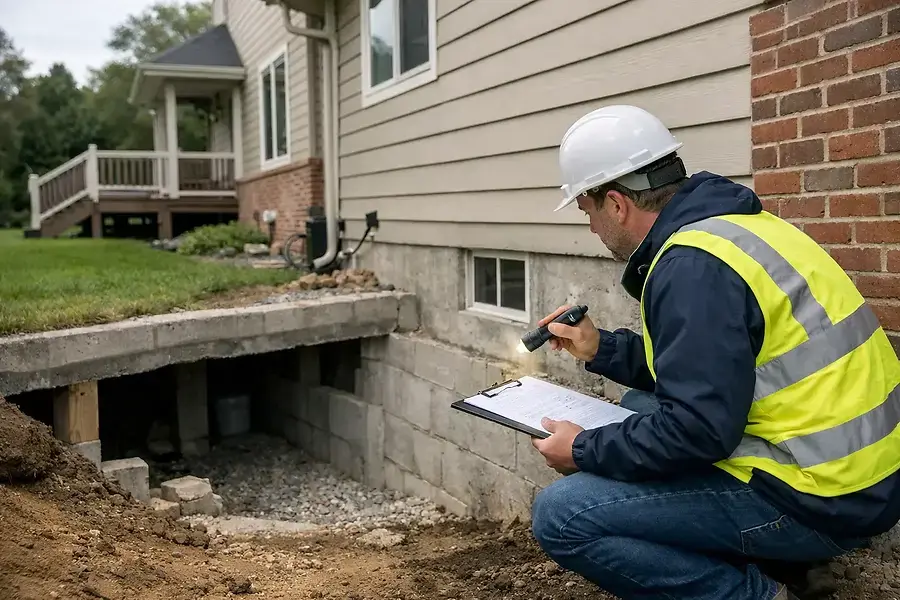
Why Home Inspections Matter in Bowling Green's Real Estate Market
Purchasing a home is one of the most significant financial decisions you'll make in your lifetime. In Bowling Green's competitive real estate market, taking the time to conduct a thorough home inspection can save you thousands of dollars in unexpected repairs and provide peace of mind about your investment. A professional home inspection is not just a formality—it's your opportunity to uncover potential issues before they become your responsibility.
Many first-time homebuyers underestimate the importance of a comprehensive inspection. Some properties in Bowling Green may have underlying issues that aren't immediately visible to the untrained eye. From foundation problems to outdated electrical systems, these hidden defects can quickly turn your dream home into a financial nightmare. This checklist will guide you through the essential elements you and your inspector should evaluate.
Structural and Foundation Elements Every Buyer Should Evaluate
Foundation and Basement Assessment
The foundation is literally the backbone of your home. During your inspection, look for:
- Cracks in the foundation – Small hairline cracks are common, but larger cracks or those that are widening may indicate serious structural issues
- Water damage or moisture – Signs of water intrusion, efflorescence (white mineral deposits), or mold growth suggest drainage problems
- Settling or shifting – Uneven floors or doors that don't close properly can indicate foundation movement
- Basement walls – Check for bowing, leaning, or deterioration that could compromise structural integrity
Roof and Exterior Structure
Your roof protects everything beneath it, making its condition critical. Evaluate:
- Roof age and condition – Most roofs last 15-25 years; inspect for missing shingles, curling, or granule loss
- Flashing and gutters – Ensure proper water drainage and sealed seams around chimneys and vents
- Exterior walls – Look for rotting wood, damaged siding, or paint peeling that may indicate moisture problems
- Windows and doors – Check for proper sealing, broken glass, and functional locks
Attic and Insulation
Don't overlook the attic space. Inspect for adequate insulation, proper ventilation, signs of pest infestation, and any evidence of roof leaks. Poor attic conditions can lead to increased energy costs and potential structural damage.
Systems and Utilities: HVAC, Plumbing, Electrical, and Roofing Assessments
HVAC System Evaluation
The heating, ventilation, and air conditioning system is essential for comfort and can be expensive to replace. During inspection:
- Verify the age and condition of the furnace and air conditioning unit
- Check that both heating and cooling systems operate properly
- Inspect ductwork for leaks or disconnections
- Ensure proper thermostat function and calibration
- Look for signs of rust, corrosion, or refrigerant leaks
Plumbing System Review
Water damage is one of the most costly issues homeowners face. Your plumbing inspection should include:
- Water pressure and flow – Test all fixtures to ensure adequate water pressure throughout the home
- Pipe materials and condition – Older homes may have galvanized or polybutylene pipes that are prone to failure
- Drainage systems – Run water in all sinks, showers, and toilets to check for slow drains or backups
- Water heater – Assess age, capacity, and condition; check for leaks or rust
- Septic or sewer connection – Verify proper connection and function if applicable in Bowling Green
Electrical System Inspection
Faulty electrical systems pose serious safety risks. Have your inspector evaluate:
- The main electrical panel and circuit breakers for proper labeling and function
- Grounding and bonding of the electrical system
- Presence of outdated two-prong outlets in bathrooms and kitchens (should be three-prong or GFCI-protected)
- Adequate capacity for modern electrical demands
- Signs of overheating, burnt outlets, or exposed wiring
Additional Systems to Assess
Appliances: Test all included appliances for proper operation. Note their age and condition, as replacements can be costly.
Chimney and fireplace: If present, ensure the chimney is properly lined, free of obstructions, and safe to use.
Garage and storage: Check garage doors, openers, and structural integrity of any detached structures.
Final Walkthrough and Next Steps After Your Inspection
Conducting Your Final Walkthrough
After the professional inspection is complete, schedule a final walkthrough with your real estate agent. This is your opportunity to:
- Review the inspection report thoroughly and ask your inspector to clarify any findings
- Identify which issues are deal-breakers versus those you can address after purchase
- Take photos or videos of any concerning areas for your records
- Verify that any agreed-upon repairs have been completed if the seller agreed to fix items
Negotiation and Next Steps
Armed with your inspection report, you have several options:
- Request repairs: Ask the seller to fix critical issues before closing
- Request credits: Negotiate a price reduction to cover repair costs yourself
- Walk away: If major issues are discovered, you may have grounds to terminate the contract
- Accept as-is: If issues are minor or you're comfortable addressing them, proceed with the purchase
Planning for Future Maintenance
Use your inspection report as a roadmap for future maintenance. Create a maintenance schedule for items that need attention, such as HVAC servicing, roof inspections, or plumbing maintenance. Addressing small issues promptly prevents them from becoming major problems.
A thorough home inspection is your best defense against costly surprises in Bowling Green's real estate market. By following this checklist and working with a qualified inspector, you'll make an informed decision and protect your investment for years to come.


