The Complete Home Inspection Checklist for Centerville Homebuyers
Discover the critical inspection points that protect your investment and prevent costly surprises when buying in Centerville.

Understanding the Home Inspection Process in Centerville
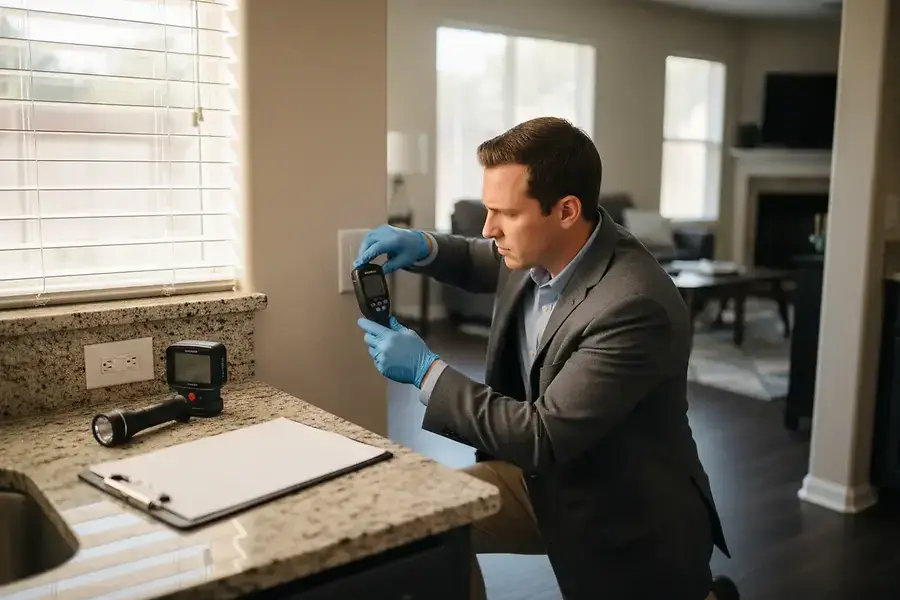
Purchasing a home is one of the most significant financial decisions you'll make, and in Centerville, a thorough home inspection is your first line of defense against hidden problems. A professional home inspection typically lasts two to three hours and involves a detailed examination of the property's structural components, systems, and overall condition.
During the inspection process, a certified inspector will evaluate everything from the foundation to the roof, documenting their findings in a comprehensive report. This report becomes a crucial tool in your home-buying journey, providing you with objective information about the property's condition and potential issues that may require attention or negotiation.
Why Home Inspections Matter in Centerville
Centerville homes vary widely in age and condition, from historic properties to newer constructions. A professional inspection helps you understand exactly what you're purchasing and identifies any maintenance concerns that could affect your decision or negotiating position. Many buyers in Centerville make their offers contingent on a satisfactory home inspection, giving them the opportunity to walk away or renegotiate if significant issues are discovered.
Key Areas Inspectors Evaluate and Red Flags to Watch For
Structural Components and Foundation
The foundation is the backbone of any home. Inspectors look for cracks, water damage, settling issues, and signs of structural movement. Red flags include large cracks in the foundation, bowing walls, or evidence of previous water intrusion. These issues can be expensive to repair and may indicate deeper problems with the home's stability.
Roofing and Exterior
Your roof protects everything beneath it, making its condition critical. Inspectors examine shingles, flashing, gutters, and drainage systems. Watch for missing or damaged shingles, sagging roof lines, rust stains, or signs of leaks in the attic. The age of the roof is also important—most roofs last 15-20 years, so an aging roof may require replacement soon after purchase.
Plumbing Systems
Water damage is one of the costliest issues homeowners face. Inspectors test water pressure, check for leaks under sinks and around toilets, and examine the condition of pipes. Red flags include slow drains, water stains on ceilings or walls, corrosion on copper pipes, or evidence of previous water damage. Older homes in Centerville may have outdated plumbing that needs updating.
Electrical Systems
A safe electrical system is non-negotiable. Inspectors verify that the panel is properly grounded, check outlet functionality, and look for outdated wiring. Be cautious of homes with aluminum wiring, insufficient outlets, or an undersized electrical panel. These issues can pose fire hazards and may require professional upgrades.
HVAC and Climate Control
Heating and cooling systems are essential for comfort and can be expensive to replace. Inspectors evaluate furnaces, air conditioners, and ductwork for proper operation and maintenance. Red flags include systems that are over 15 years old, signs of rust or corrosion, or evidence that the system hasn't been properly maintained.
Insulation and Ventilation
Proper insulation and ventilation affect energy efficiency and prevent moisture problems. Inspectors check attic insulation levels and ensure adequate ventilation to prevent mold and moisture buildup. Watch for insufficient insulation, blocked vents, or signs of moisture damage in the attic.
Interior Conditions
Inspectors examine walls, ceilings, floors, and windows for damage, water stains, or structural issues. Common concerns include cracked drywall, water-stained ceilings indicating roof leaks, warped flooring suggesting moisture problems, or broken windows and damaged frames.
How to Use Inspection Results in Your Offer Negotiation
Reviewing Your Inspection Report
Once you receive the inspection report, take time to understand it thoroughly. Reports typically categorize issues by severity—from minor cosmetic concerns to major structural problems. Focus on items marked as safety hazards or significant repairs, as these are your strongest negotiating points.
Negotiation Strategies
You have several options when inspection issues are discovered:
- Request repairs: Ask the seller to fix identified issues before closing. This is ideal for major problems like roof repairs or electrical work.
- Request credits: Negotiate a reduction in the purchase price to cover repair costs yourself. This gives you control over the work quality.
- Request inspections: For significant issues, ask the seller to provide estimates from licensed contractors, which can inform your negotiation.
- Walk away: If inspection reveals deal-breaking issues, your contingency allows you to withdraw your offer.
Working with Your Real Estate Agent
Your real estate agent can provide valuable guidance on which issues are negotiable in the Centerville market and what requests are reasonable. They understand local standards and can help you prioritize your concerns effectively.
Next Steps: Repairs, Waivers, and Closing with Confidence
Managing Repair Agreements
If the seller agrees to repairs, ensure the agreement specifies exactly what work will be completed, who will perform it, and when it will be finished. Request a final walkthrough before closing to verify that agreed-upon repairs have been completed to your satisfaction.
When to Waive Inspection Contingencies
In competitive markets, some buyers waive inspection contingencies to strengthen their offers. This is risky and should only be considered if you've had a pre-inspection performed or if the home is newer with minimal risk. Never waive inspections on older Centerville homes without thorough evaluation.
Final Walkthrough and Closing
Your final walkthrough is your last opportunity to ensure the property matches the agreed-upon condition. Verify that all repairs have been completed, utilities are functioning, and no new damage has occurred. This step protects you from unpleasant surprises after you've closed on your new Centerville home.
"A home inspection is not an expense—it's an investment in peace of mind and financial protection. The few hundred dollars spent on an inspection can save you thousands in unexpected repairs."
Moving Forward with Confidence
By understanding the home inspection process, knowing what to look for, and using inspection results strategically, you're taking control of your home-buying experience in Centerville. Armed with this knowledge, you can negotiate effectively, avoid costly surprises, and close on your new home with confidence.


