The Complete Home Inspection Checklist for Clarksville Homebuyers
Learn what every homebuyer should know about inspections to avoid costly surprises and make confident offers in Clarksville's competitive market.

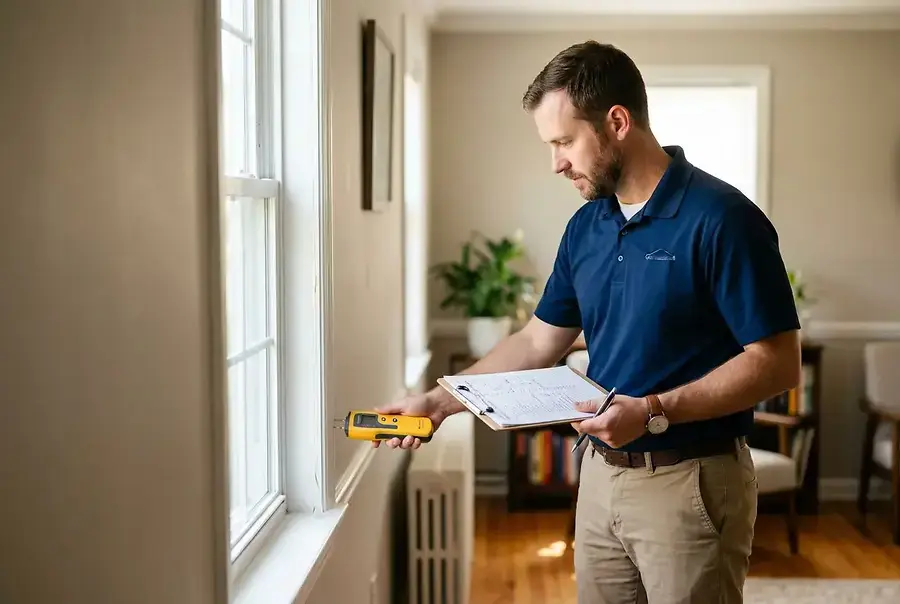
Why Home Inspections Matter in Clarksville
Buying a home is one of the most significant financial decisions you'll make, and in Clarksville's competitive real estate market, it's crucial to protect your investment. A professional home inspection is your opportunity to uncover potential issues before you commit to a purchase. Rather than discovering expensive problems after closing, a thorough inspection gives you the knowledge and leverage to negotiate repairs, request credits, or make an informed decision about whether to proceed with the purchase.
Many homebuyers in Clarksville skip or rush through inspections to stay competitive in a fast-moving market. However, this approach can lead to costly surprises down the road. A comprehensive inspection typically costs between $300-$500 and can save you thousands in unexpected repairs and maintenance.
Key Areas Professional Inspectors Examine in Residential Properties
Structural Components and Foundation
Professional inspectors begin by evaluating the home's foundation and structural integrity. They look for signs of settling, cracks, water damage, and moisture intrusion. In Clarksville, where soil conditions and weather patterns vary, foundation issues can be particularly important to identify early.
Roofing and Exterior
The roof is one of your home's most critical protective barriers. Inspectors examine:
- Shingle condition and age
- Flashing around chimneys and vents
- Gutters and downspouts
- Siding and exterior walls for damage or deterioration
- Windows and doors for proper sealing
Plumbing Systems
A thorough plumbing inspection includes checking water pressure, drainage, and the condition of pipes. Inspectors test all fixtures, look for leaks, and assess the water heater's age and functionality. Older homes in Clarksville may have outdated plumbing that requires attention.
Electrical Systems
Electrical safety is paramount. Inspectors verify that the electrical panel is properly grounded, check for outdated wiring, and ensure outlets and switches are functioning correctly. They also assess whether the home's electrical capacity meets modern demands.
HVAC Systems
Heating, ventilation, and air conditioning systems are essential for comfort and health. Inspectors evaluate the furnace or heat pump, air conditioning unit, ductwork, and thermostat functionality. They note the age of equipment and whether it's operating efficiently.
Interior Components
Professional inspectors examine:
- Walls, ceilings, and floors for damage or water stains
- Insulation levels in attics and crawl spaces
- Ventilation and moisture control
- Doors and windows operation
- Appliances included in the sale
Red Flags to Watch For and When to Negotiate Repairs
Major Concerns That Require Attention
Foundation problems are among the most serious issues. Cracks wider than 1/4 inch, bowing walls, or signs of water intrusion warrant professional evaluation and potential negotiation.
Roof damage is another critical concern. If the roof is nearing the end of its lifespan or shows significant damage, you may want to request repairs or a credit toward replacement.
Electrical hazards such as outdated wiring, improper grounding, or overloaded circuits pose safety risks and should be addressed before purchase.
Plumbing issues including leaks, low water pressure, or corroded pipes can be expensive to repair and should be factored into your offer.
Moderate Concerns Worth Negotiating
Issues like aging HVAC systems, minor roof repairs, water stains in the attic, or outdated appliances are often negotiable. You can request the seller make repairs, provide a credit, or lower the purchase price to account for these expenses.
Minor Issues to Document
Small cosmetic issues, worn caulking, or minor paint damage typically don't warrant renegotiation but should be documented for your records and future maintenance planning.
Negotiation Strategies
When inspection reveals problems, approach negotiations professionally. Get multiple repair estimates to support your requests. Prioritize major issues over minor ones, and be prepared to walk away if the seller won't address serious concerns. In Clarksville's market, sellers may be more willing to negotiate if you're a strong buyer with financing already approved.
Pro Tip: Always hire a licensed, insured inspector with experience in your area. Ask for references and verify their credentials before the inspection.
Using Inspection Insights to Secure Your Best Deal
A home inspection report is more than just a list of problems—it's a negotiation tool and a roadmap for your future maintenance. Use the inspection strategically:
- Review the report carefully with your real estate agent to understand the severity of each issue
- Research repair costs for major items to support your negotiation requests
- Prioritize your concerns and decide which issues are deal-breakers versus negotiable
- Make reasonable requests based on market conditions and the home's price
- Document everything for your records and future reference
In Clarksville's competitive market, homes often receive multiple offers. A thorough inspection demonstrates that you're a serious, informed buyer. If you discover significant issues, you have the leverage to renegotiate or walk away confidently, knowing you've made the right decision for your family and finances.
Remember, the goal of a home inspection isn't to find reasons to back out of a deal—it's to ensure you understand exactly what you're buying and can plan accordingly. By taking inspections seriously and using the information wisely, you'll make a confident offer and secure the best possible deal in Clarksville's real estate market.


