The Complete Home Inspection Checklist for Columbia, Missouri Buyers
Learn the critical inspections and assessments that protect your investment and prevent costly surprises.

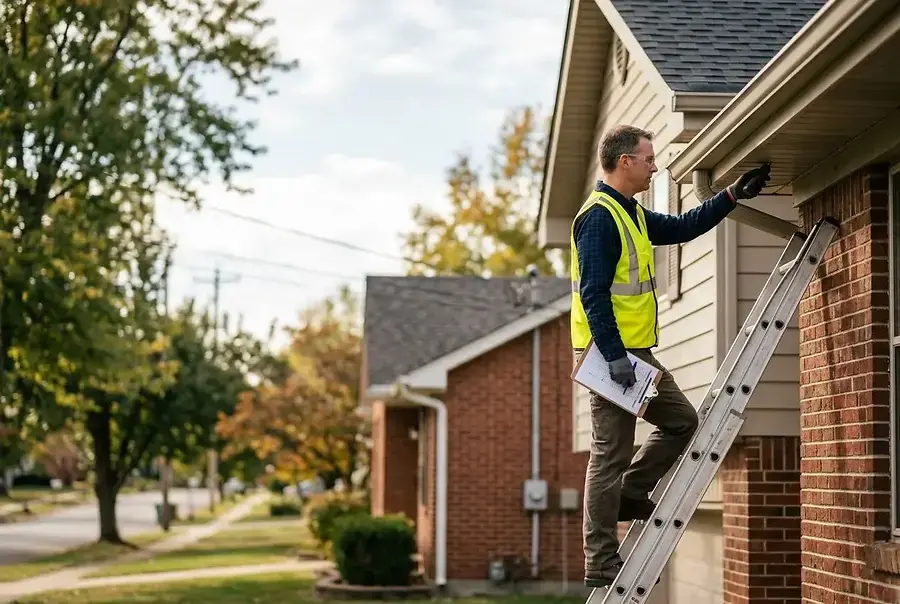
Why Home Quality Matters More Than Price
When purchasing a home in Columbia, Missouri, many buyers focus primarily on the price tag and location. However, the true value of a property extends far beyond these surface-level factors. A thorough home inspection is one of the most critical steps in the homebuying process, serving as your protection against inheriting expensive problems that could drain your finances for years to come.
The difference between a well-maintained home and one with hidden structural or mechanical issues can amount to tens of thousands of dollars in repairs. By investing in a comprehensive inspection, you gain invaluable insight into the actual condition of your potential investment. This knowledge empowers you to make informed decisions, negotiate repairs with sellers, or walk away from problematic properties before signing on the dotted line.
Your home is likely the largest financial commitment you'll ever make—protecting that investment should be your top priority.
Key Areas to Inspect: Foundation, Roof, Plumbing, and Electrical Systems
Foundation and Structural Integrity
The foundation is the literal backbone of any home. A compromised foundation can lead to catastrophic damage and astronomical repair costs. Professional inspectors examine foundations for:
- Cracks in concrete or brick
- Signs of settling or shifting
- Water damage or moisture intrusion
- Proper grading and drainage around the perimeter
- Evidence of past repairs or reinforcement
In Columbia's climate, where freeze-thaw cycles and moisture can stress foundations, this inspection is particularly important. Minor cracks may be cosmetic, but larger fissures or horizontal cracks warrant immediate professional evaluation.
Roof Condition and Longevity
Your roof protects everything beneath it, making its condition critical to your home's overall health. Inspectors evaluate:
- Age and remaining lifespan of roofing materials
- Missing, cracked, or curling shingles
- Proper ventilation and attic conditions
- Flashing around chimneys, vents, and skylights
- Signs of leaks or water damage in the attic
A roof replacement can cost $8,000 to $25,000 or more, depending on size and materials. Knowing the roof's age and condition helps you budget for future maintenance or negotiate with the seller.
Plumbing Systems
Water damage is one of the most common and costly issues in homes. A thorough plumbing inspection includes:
- Water pressure and flow rate testing
- Inspection of visible pipes for corrosion or leaks
- Functionality of all fixtures and drains
- Water heater age and condition
- Sump pump operation (if applicable)
- Septic system inspection (for rural properties)
Older homes may have outdated plumbing materials that are prone to failure. Identifying these issues early prevents water damage and mold growth that could affect your family's health.
Electrical Systems
Faulty electrical systems pose serious safety risks, including fire hazards. Inspectors assess:
- Panel capacity and condition
- Proper grounding and bonding
- Presence of outdated or dangerous wiring (knob-and-tube, aluminum)
- GFCI outlet installation in wet areas
- Adequate outlets and circuit distribution
- Proper labeling of breakers
Electrical upgrades can be expensive and complex, so understanding the current system's safety and functionality is essential before purchase.
Working with Professional Inspectors and Understanding Inspection Reports
Choosing the Right Inspector
Not all home inspectors are created equal. When selecting an inspector in Columbia, verify that they are:
- Licensed and certified by recognized organizations
- Insured and bonded
- Experienced with homes in your area
- Willing to explain findings in detail
- Available for you to accompany during the inspection
Ask for references and check online reviews. A quality inspector will spend 2-4 hours thoroughly evaluating the property and provide a detailed written report.
Interpreting Your Inspection Report
Home inspection reports can be lengthy and technical. Understanding the key sections helps you grasp what you're inheriting:
- Critical Issues: Problems requiring immediate attention for safety or functionality
- Major Concerns: Significant defects that will likely need repair soon
- Minor Issues: Small problems or maintenance recommendations
- Deferred Maintenance: Items that need attention but aren't urgent
Don't hesitate to ask your inspector questions about any findings. A good inspector will take time to explain issues and discuss potential solutions.
Using Inspection Results in Negotiations
Armed with your inspection report, you have leverage in negotiations. You can:
- Request repairs from the seller before closing
- Ask for credits to cover repair costs yourself
- Renegotiate the purchase price based on needed work
- Walk away if issues are too extensive or costly
The inspection period is your opportunity to make decisions based on facts, not emotions.
Making Confident Purchase Decisions Based on Home Condition
A comprehensive home inspection transforms the homebuying process from a leap of faith into an informed decision. By thoroughly evaluating the foundation, roof, plumbing, and electrical systems—along with other critical components—you gain complete transparency about your potential investment.
Remember that no home is perfect. The goal isn't to find a flawless property but to understand exactly what you're purchasing and what costs you might face. Armed with this knowledge, you can negotiate confidently, budget appropriately, and move forward with peace of mind.
In Columbia's competitive real estate market, a thorough inspection separates savvy buyers from those who face costly surprises. Invest in professional inspection services, take time to understand the report, and use the findings to make the best decision for your family and your financial future.