The Complete Home Inspection Checklist for Columbus Ohio Buyers
Learn what professional inspectors look for and how to protect your investment before closing.

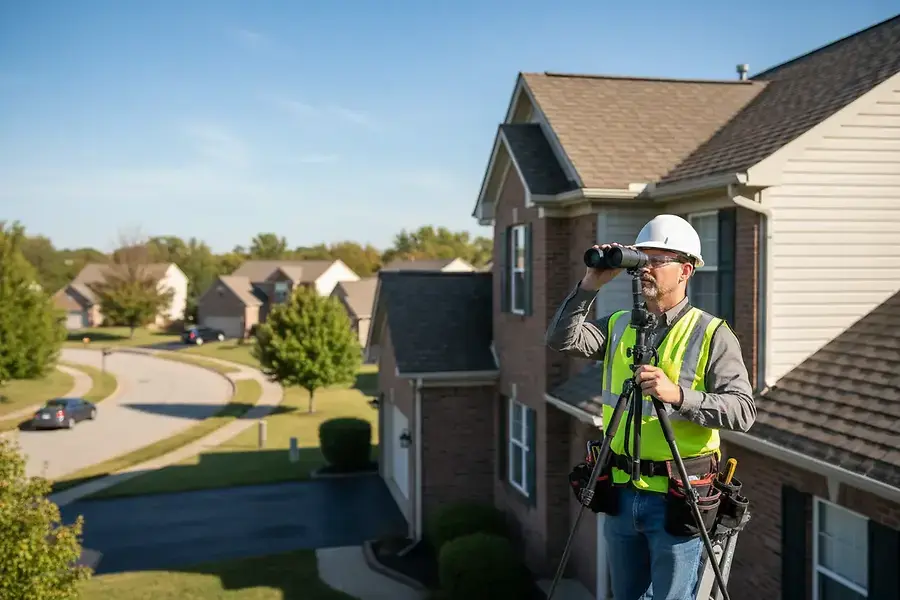
Why Home Inspections Matter for Columbus Buyers
Purchasing a home is one of the largest financial decisions you'll make in your lifetime. In Columbus, Ohio, a thorough home inspection is your best defense against costly surprises after closing. A professional home inspection provides an objective evaluation of a property's condition, identifying potential issues that could affect your safety, comfort, and investment value.
Many first-time buyers underestimate the importance of inspections, viewing them as an optional expense. However, inspections typically cost between $300 and $500 and can save you thousands in unexpected repairs. Whether you're buying a historic Victorian home in German Village or a modern suburban property, a comprehensive inspection is essential for making an informed decision.
What to Expect During a Professional Home Inspection
The Inspection Process
A professional home inspection typically lasts 2-3 hours and covers all major systems and components of the home. The inspector will examine both the interior and exterior, creating a detailed report of their findings. You should always attend the inspection to ask questions and understand potential issues firsthand.
Key Areas Inspectors Examine
- Structural Components: Foundation, walls, roof structure, and overall integrity
- Roofing System: Shingles, flashing, gutters, and drainage
- Exterior: Siding, windows, doors, decks, and landscaping grading
- Plumbing: Water supply lines, drainage systems, fixtures, and water heater
- Electrical System: Panel, wiring, outlets, and safety features
- HVAC: Furnace, air conditioning, ductwork, and thermostat
- Interior: Walls, ceilings, floors, doors, and built-in appliances
- Basement/Crawlspace: Moisture issues, structural cracks, and ventilation
Understanding the Inspection Report
After the inspection, you'll receive a detailed report categorizing findings by severity. Most inspectors use classifications like major defects, minor issues, and maintenance recommendations. Review this report carefully and discuss any concerns with your real estate agent. Major issues may warrant further specialist inspections or renegotiation of the purchase price.
Common Issues Found in Columbus Homes and How to Address Them
Water Damage and Moisture Problems
Columbus's climate and seasonal weather patterns make moisture issues common in older homes. Inspectors frequently find water stains in basements, attic leaks, and improper grading around foundations. Address these issues immediately as they can lead to mold growth and structural damage. Solutions range from simple gutter cleaning to more extensive foundation repairs or waterproofing.
Aging Roofing Systems
Many Columbus homes have roofs nearing the end of their lifespan. Inspectors will assess shingle condition, flashing integrity, and overall wear. If your roof is over 20 years old, budget for replacement within the next few years. This is a significant expense, so factor it into your offer negotiations if needed.
Outdated Electrical Systems
Older homes in Columbus may have outdated electrical panels or aluminum wiring, which poses safety risks. Modern homes should have adequate outlets and proper grounding. If the inspection reveals electrical concerns, hire a licensed electrician for further evaluation before closing.
HVAC System Age and Efficiency
Furnaces and air conditioning units typically last 15-20 years. If these systems are approaching the end of their lifespan, plan for replacement costs. Ask the seller for maintenance records and consider requesting a specialized HVAC inspection if concerns arise.
Plumbing Issues
Corroded pipes, slow drains, and water pressure problems are common in older Columbus homes. Inspectors will test water flow and look for signs of leaks. Galvanized pipes, common in homes built before the 1980s, may need replacement. This can be a costly undertaking, so get estimates from licensed plumbers.
Foundation Cracks and Settlement
Minor cracks are normal in older homes, but significant cracks or signs of settling require attention. Inspectors will note crack patterns and locations. Horizontal cracks or cracks wider than 1/4 inch warrant a structural engineer's evaluation before purchase.
Making Informed Decisions with Inspection Results
Negotiating Based on Inspection Findings
Once you receive the inspection report, you have several options. You can request repairs from the seller, ask for a price reduction to cover future repairs, or request a credit at closing. Some sellers prefer to provide credits rather than handle repairs themselves. Work with your real estate agent to determine the most advantageous approach based on the severity of issues and local market conditions.
Planning for Future Maintenance
Even if the inspection reveals no major issues, use the report to plan preventive maintenance. Regular upkeep of HVAC systems, roof inspections, and gutter cleaning can prevent costly problems down the road. Create a maintenance schedule and budget for anticipated repairs.
When to Request Specialist Inspections
If the general inspection uncovers concerns in specific areas, consider hiring specialists. Structural engineers evaluate foundation issues, electricians assess electrical problems, and HVAC technicians provide detailed system evaluations. These additional inspections cost more but provide peace of mind and expert recommendations.
Final Thoughts Before Closing
A comprehensive home inspection is your opportunity to understand exactly what you're purchasing. Don't skip this crucial step or view it as a formality. Use the inspection results to make informed decisions about your investment and negotiate terms that protect your interests. With proper due diligence, you'll move forward with confidence in your Columbus home purchase.


