The Complete Home Inspection Checklist for CSRA Real Estate Buyers
Learn what to look for during inspections to make confident real estate decisions in the Central Savannah River Area.

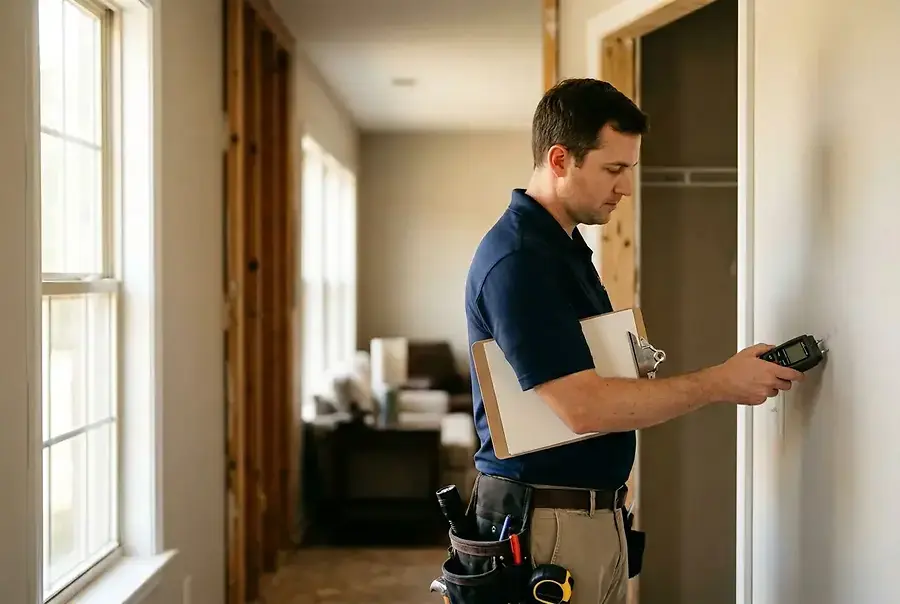
Why Home Inspections Matter in the CSRA Market
Purchasing a home is one of the most significant financial decisions you'll make, and in the Central Savannah River Area, it's no exception. A professional home inspection serves as your safeguard against hidden defects and costly repairs down the road. Whether you're a first-time buyer or an experienced investor, understanding what inspectors look for can help you negotiate better terms and avoid unexpected expenses.
The CSRA's unique climate and regional building practices mean that certain issues are more prevalent here than in other parts of the country. By familiarizing yourself with these common concerns, you'll be better equipped to ask the right questions and make informed decisions about your investment.
Key Areas Inspectors Evaluate in Regional Properties
Structural Integrity and Foundation
Inspectors begin by examining the foundation, which is critical in the CSRA where soil composition and moisture levels can affect structural stability. They'll look for:
- Cracks in the foundation or basement walls
- Signs of settling or shifting
- Water intrusion or dampness
- Proper grading around the property
Roofing and Exterior
The CSRA's hot, humid climate takes a toll on roofing materials. Inspectors evaluate:
- Roof age and remaining lifespan
- Missing or damaged shingles
- Proper ventilation and attic conditions
- Gutters, downspouts, and drainage systems
- Siding condition and potential pest entry points
HVAC Systems
Given the region's hot summers and mild winters, your heating and cooling system is essential. Inspectors check:
- Age and maintenance history of the unit
- Proper operation and efficiency
- Ductwork condition and sealing
- Thermostat functionality
Plumbing and Water Systems
Water-related issues are common in the CSRA. Inspectors examine:
- Water pressure and flow rates
- Pipe material and condition (galvanized, copper, PVC)
- Signs of leaks or corrosion
- Water heater age and functionality
- Septic system condition (if applicable)
Electrical Systems
Safety is paramount when evaluating electrical systems. Inspectors look for:
- Panel capacity and proper grounding
- Outdated wiring or aluminum wiring
- Adequate outlets and proper installation
- GFCI protection in wet areas
Interior Conditions
A thorough inspection includes checking:
- Walls, ceilings, and floors for damage
- Windows and doors for proper operation
- Insulation levels and air sealing
- Signs of mold, mildew, or pest damage
Common Issues Found in CSRA Homes and Prevention Tips
Moisture and Humidity Problems
The CSRA's subtropical climate creates ideal conditions for moisture-related issues. Prevention tip: Ensure proper ventilation in bathrooms and kitchens, maintain gutters and downspouts, and consider a dehumidifier in basements or crawl spaces.
Pest Infestations
Termites, carpenter ants, and other pests thrive in the warm, humid environment. Prevention tip: Have a professional pest inspection performed, maintain regular termite treatments, and eliminate wood-to-soil contact around the foundation.
Roof Deterioration
The intense sun and frequent rain accelerate roof aging. Prevention tip: Schedule regular roof inspections, keep gutters clean, trim overhanging branches, and consider impact-resistant roofing materials.
Outdated Electrical Systems
Many older CSRA homes have electrical systems that don't meet modern demands. Prevention tip: Have an electrician assess your panel capacity, upgrade to modern circuit breakers, and add outlets as needed for safety.
Plumbing Corrosion
Hard water and mineral deposits can corrode pipes over time. Prevention tip: Install a water softener, have pipes inspected regularly, and consider replacing galvanized pipes with copper or PVC alternatives.
Poor Insulation
Inadequate insulation leads to higher energy bills in both summer and winter. Prevention tip: Check attic insulation levels, seal air leaks around windows and doors, and consider upgrading to modern insulation materials.
Using Inspection Results to Secure Your Best Investment
Once you receive your inspection report, don't simply file it away. Use it strategically:
Review the findings carefully and prioritize issues by severity. Major structural or safety concerns should be addressed immediately, while cosmetic issues can often be negotiated or overlooked.
Request repairs or credits from the seller for significant problems. Your inspection report gives you leverage to renegotiate the purchase price or require specific repairs before closing.
Plan for future maintenance by understanding the age and condition of major systems. This helps you budget for upcoming replacements and prioritize preventative maintenance.
Get a second opinion on major issues if needed. If the inspector identifies a significant concern, consulting with a specialist can provide clarity and help you make an informed decision.
Remember: A thorough home inspection is an investment in your peace of mind and financial security. In the CSRA market, where regional issues are common, this due diligence is more important than ever.
By understanding what inspectors evaluate and being aware of common regional issues, you'll approach your home purchase with confidence. Take the time to review your inspection report thoroughly, ask questions, and use the findings to negotiate the best possible deal. Your future self will thank you for the diligence you invest today.