The Complete Home Inspection Checklist for Dallas Suburb Buyers
Master the critical inspection checklist that protects your investment in Sachse, Frisco, Garland, Wylie, Plano, Richardson, Lake Highlands, and Dallas.

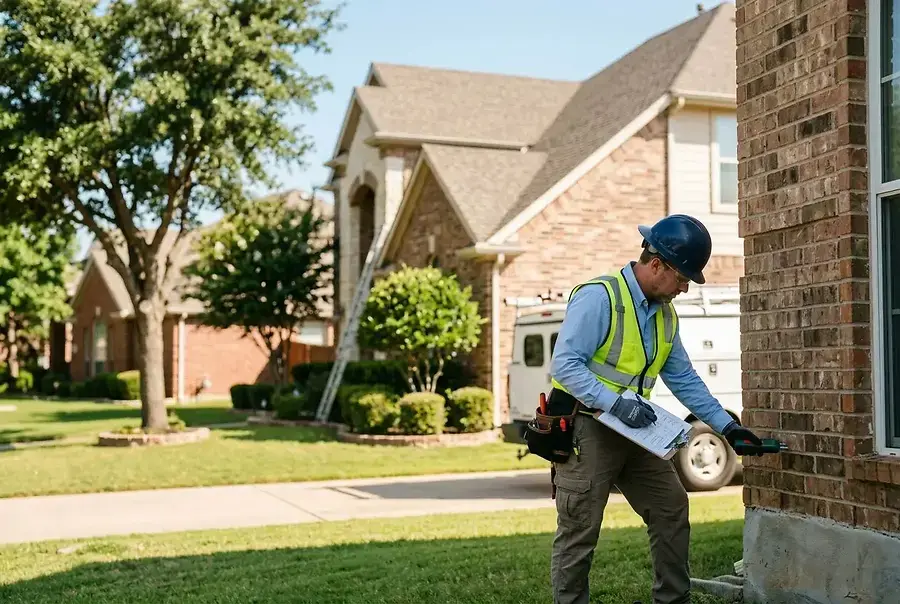
Introduction: Why Home Inspections Matter in the Dallas Market
Purchasing a home in the Dallas suburbs is one of the most significant financial decisions you'll make. Whether you're buying in Sachse, Frisco, Garland, Wylie, Plano, Richardson, Lake Highlands, or Dallas proper, a comprehensive home inspection is your first line of defense against costly surprises. The Texas heat, humidity, and occasional severe weather create unique challenges for homes in this region, making thorough inspections absolutely critical.
A professional home inspection provides an objective assessment of your potential property's condition. It identifies existing problems, potential safety hazards, and maintenance issues that could affect your investment's value and livability. Armed with this information, you can make informed decisions about whether to proceed with the purchase, negotiate repairs, or request a price reduction.
Key Structural Elements to Evaluate in Texas Homes
Foundation and Concrete
The foundation is the backbone of any home, and in Texas, foundation issues are particularly common due to the region's expansive clay soils. Inspectors will look for:
- Visible cracks in the foundation, basement, or crawl space
- Uneven or sloping floors that indicate settling
- Water damage, staining, or moisture intrusion
- Signs of previous foundation repairs or underpinning
- Proper drainage around the perimeter of the home
Pro Tip: Small hairline cracks are normal, but diagonal cracks wider than 1/4 inch warrant further investigation by a structural engineer.
Roof and Attic
Your roof protects everything beneath it. Inspectors evaluate:
- Shingle condition, age, and remaining lifespan
- Proper ventilation and insulation in the attic
- Signs of leaks, water stains, or mold growth
- Flashing around chimneys, vents, and skylights
- Gutters and downspouts for proper drainage
- Evidence of pest infestation or animal damage
In the Dallas area, roofs typically last 15-20 years. If your inspection reveals an aging roof, budget for replacement within the next few years.
Exterior and Windows
The home's exterior is your first barrier against the elements. Inspectors check:
- Siding condition, rot, or deterioration
- Window and door frames for proper sealing and operation
- Caulking and weatherstripping integrity
- Deck or porch structural soundness
- Grading and landscaping for proper water drainage away from the foundation
HVAC, Plumbing, and Electrical Systems: What Inspectors Check
Heating, Ventilation, and Air Conditioning (HVAC)
Given Dallas's hot summers and occasional cold winters, a functioning HVAC system is essential. Professional inspectors evaluate:
- Age and condition of the air conditioning unit and furnace
- System capacity and efficiency ratings
- Proper airflow throughout the home
- Thermostat functionality and accuracy
- Ductwork for leaks, damage, or improper installation
- Maintenance records and service history
Important: HVAC systems typically last 15-20 years. If the system is nearing the end of its lifespan, factor replacement costs into your offer.
Plumbing Systems
Water damage is one of the most expensive issues homeowners face. Inspectors thoroughly examine:
- Water pressure and flow rate throughout the home
- Pipe material and condition (galvanized, copper, PVC, or PEX)
- Signs of leaks, corrosion, or water staining
- Drain functionality and slope
- Water heater age, condition, and capacity
- Sump pump operation (if applicable)
- Septic system condition (for homes on septic)
Galvanized pipes, common in older Dallas homes, may need replacement if they show signs of corrosion or reduced water pressure.
Electrical Systems
Electrical safety is paramount. Inspectors assess:
- Electrical panel capacity and condition
- Proper grounding and bonding
- GFCI outlets in kitchens, bathrooms, and outdoor areas
- Adequate number of outlets and circuits
- Signs of overheating, burning, or damage
- Proper wire gauging and installation
- Smoke and carbon monoxide detector presence and functionality
Outdated electrical systems or aluminum wiring (found in some homes from the 1960s-70s) may require upgrades for safety and insurance purposes.
Additional Systems and Components
Interior Conditions
Beyond major systems, inspectors evaluate:
- Walls, ceilings, and floors for damage or water stains
- Doors and windows for proper operation
- Appliances included in the sale
- Bathroom and kitchen fixtures
- Insulation levels and air sealing
Safety and Environmental Concerns
Professional inspectors also screen for:
- Mold and moisture issues - Common in humid Texas climate
- Radon - A naturally occurring radioactive gas
- Lead-based paint - In homes built before 1978
- Asbestos - In older insulation and building materials
- Pest damage - Termites, rodents, and other infestations
Conclusion: Using Inspection Reports to Negotiate and Protect Your Purchase
A comprehensive home inspection report provides the documentation you need to make confident decisions about your Dallas suburb home purchase. Don't skip this critical step – the cost of an inspection (typically $300-500) is minimal compared to the potential savings from identifying major issues.
Once you receive the inspection report, you have several options:
- Request repairs: Ask the seller to fix identified issues before closing
- Negotiate credits: Request a price reduction to cover repair costs
- Walk away: If major issues are discovered, you may have grounds to terminate the contract
- Plan ahead: Budget for known maintenance or repairs after purchase
Whether you're buying in Sachse, Frisco, Garland, Wylie, Plano, Richardson, Lake Highlands, or Dallas, using this comprehensive checklist and working with a qualified home inspector ensures you're making an informed investment. Your dream home should be a source of pride and security – not unexpected expenses and stress. Take the time to inspect thoroughly, ask questions, and protect your financial future.