The Complete Home Inspection Checklist for DFW Residential Buyers
Learn what every homebuyer in Fort Worth, Dallas, Arlington, and surrounding areas needs to know about protecting their investment.

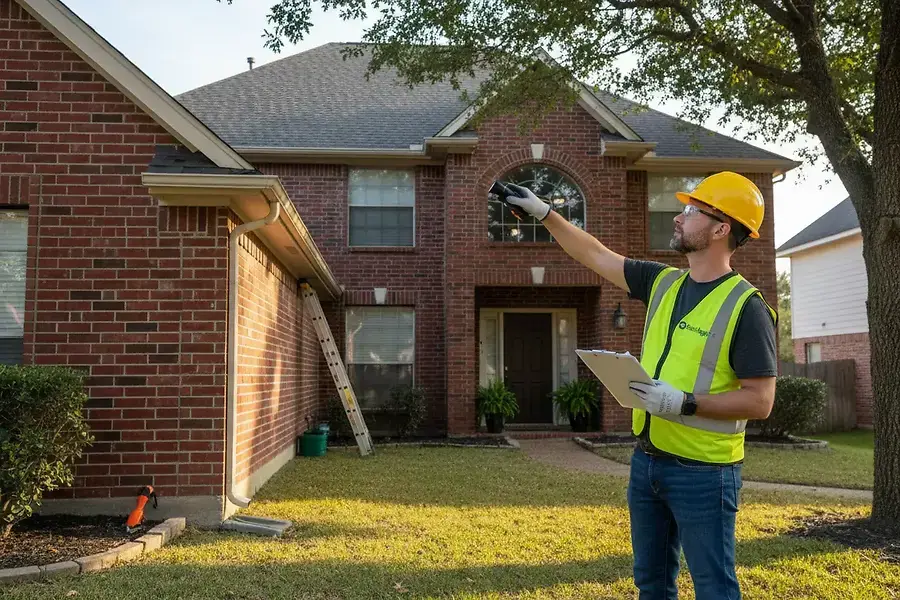
Why Home Inspections Matter in the DFW Market
Purchasing a home is one of the most significant financial decisions you'll make in your lifetime. In the competitive Dallas-Fort Worth real estate market, a thorough home inspection is your best defense against costly surprises after closing. Whether you're buying in Dallas, Fort Worth, Arlington, or any surrounding area, understanding what a professional inspection entails can save you thousands of dollars and prevent future headaches.
The DFW market moves quickly, and many buyers feel pressured to make offers without fully understanding a property's condition. A comprehensive home inspection provides an objective assessment of the home's structural integrity, systems, and overall safety. This knowledge empowers you to make informed decisions and negotiate effectively with sellers.
Key Areas Inspectors Examine in Texas Homes
Structural Components and Foundation
Texas homes are particularly susceptible to foundation issues due to the region's clay-heavy soil that expands and contracts with moisture changes. Professional inspectors will examine:
- Foundation cracks and settlement patterns
- Basement or crawl space conditions
- Wall and floor levelness
- Signs of water intrusion or damage
Roofing and Exterior
The Texas sun and occasional severe weather make roof inspection critical. Inspectors evaluate:
- Roof age and remaining lifespan
- Shingle condition and missing pieces
- Flashing and gutter functionality
- Exterior walls, siding, and paint condition
- Windows and door seals
HVAC Systems
Given the intense Texas heat and occasional cold snaps, your heating and cooling system is essential. Inspectors check:
- Age and condition of air conditioning units
- Furnace or heat pump functionality
- Ductwork integrity and insulation
- Thermostat operation
Plumbing and Water Systems
Water-related issues can be expensive to repair. Professional inspections include:
- Water pressure and flow rates
- Pipe material and condition (galvanized, copper, PEX)
- Water heater age and functionality
- Drain and sewer line conditions
- Signs of leaks or water damage
Electrical Systems
Safety is paramount when evaluating electrical systems. Inspectors examine:
- Panel capacity and breaker conditions
- Grounding and bonding
- Outlet and switch functionality
- Presence of outdated wiring (aluminum, knob-and-tube)
Interior and Appliances
A complete inspection also covers:
- Walls, ceilings, and flooring conditions
- Insulation levels in attic and walls
- Kitchen and bathroom fixtures
- Included appliances and their functionality
- Doors, locks, and hardware
Red Flags and How to Address Inspection Findings
Major Concerns That Require Attention
Foundation problems are among the most serious issues in DFW homes. If an inspector identifies significant cracks, settling, or water intrusion, you may want to hire a structural engineer for a second opinion. This could impact your offer or require seller concessions.
Roof damage or age is another critical concern. If the roof is nearing the end of its lifespan, factor replacement costs into your decision. Many lenders require roofs to have at least 5-7 years of remaining life.
HVAC system failures can be costly to replace. If the system is over 15 years old or not functioning properly, request repair estimates or ask the seller to replace it before closing.
Minor Issues and Negotiation Strategies
Not every inspection finding is a deal-breaker. Minor issues like small cosmetic repairs, caulking needs, or routine maintenance can often be addressed through:
- Requesting the seller make repairs before closing
- Negotiating a credit toward closing costs
- Planning to address issues yourself after purchase
Document everything in writing. Use the inspection report as your negotiating tool, and ensure any agreements about repairs or credits are included in your purchase agreement.
When to Walk Away
Some inspection findings may indicate a property isn't worth the asking price or risk. Consider walking away if you discover:
- Severe structural damage requiring extensive repairs
- Mold or asbestos contamination
- Outdated electrical systems requiring complete rewiring
- Extensive water damage or foundation failure
- Environmental concerns or hazardous materials
Next Steps: Using Inspection Results in Your Offer
Timing Your Inspection
In the DFW market, most purchase agreements include an inspection contingency period, typically 7-10 days. Schedule your inspection as soon as possible after your offer is accepted to maximize your negotiating window.
Requesting Repairs or Credits
Once you receive the inspection report, you have several options:
- Request repairs: Ask the seller to fix identified issues before closing
- Request credits: Negotiate a reduction in the purchase price or closing cost credit
- Request re-inspection: Have the inspector verify that repairs were completed properly
Working with Your Real Estate Agent
Your real estate agent should help you understand the inspection report and guide your negotiation strategy. They understand local market conditions and can advise whether your requests are reasonable for the DFW area.
Final Walk-Through
Before closing, conduct a final walk-through to ensure any agreed-upon repairs were completed and the property is in the expected condition. This is your last opportunity to address any concerns before you take ownership.
A thorough home inspection is not an expense—it's an investment in your peace of mind and financial security. Don't skip this crucial step in your home-buying journey.