The Complete Home Inspection Checklist for DFW Residential Buyers
Learn what every residential buyer in Frisco, Keller, Dallas, Grapevine, Roanoke, and Fort Worth should know before closing on their new home.

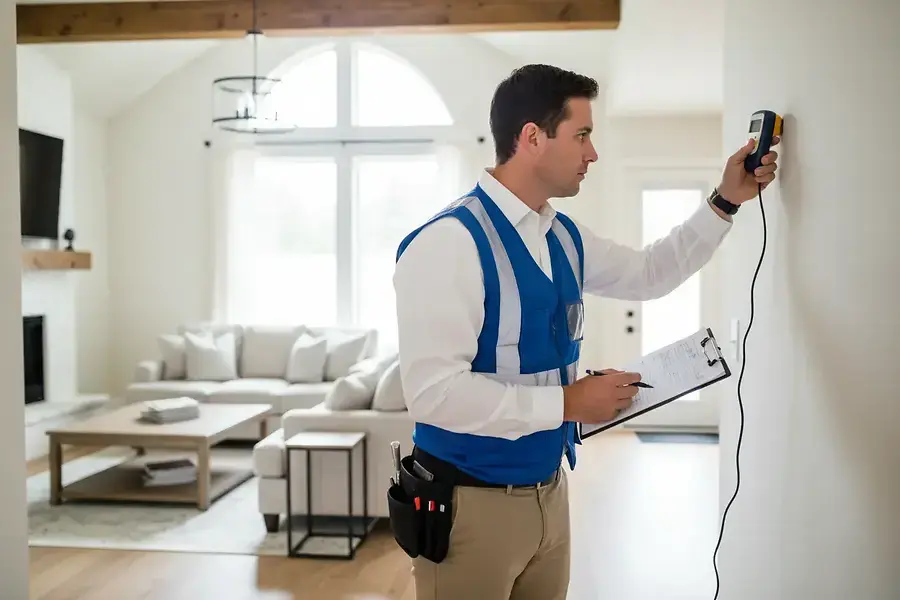
Why Home Inspections Matter in the DFW Market
Purchasing a home is one of the most significant investments you'll make in your lifetime. In the competitive Dallas-Fort Worth real estate market, where homes in Frisco, Keller, Dallas, Grapevine, Roanoke, and Fort Worth move quickly, it's easy to get caught up in the excitement and overlook critical details. A professional home inspection is your safeguard against costly surprises after closing.
The DFW region experiences unique climate challenges, from intense summer heat to occasional severe weather, which can impact home structures and systems differently than other parts of the country. Understanding what inspectors look for helps you make informed decisions and negotiate repairs or credits before finalizing your purchase.
Key Areas Professional Inspectors Evaluate in Texas Homes
Structural Integrity and Foundation
The foundation is the backbone of any home. Professional inspectors examine the foundation for cracks, settling, and water damage. In Texas, soil composition can shift, potentially causing foundation issues. Look for signs of:
- Visible cracks in the foundation or basement walls
- Uneven or sloping floors
- Gaps between walls and door frames
- Evidence of previous foundation repairs
Roofing and Attic Condition
Your roof protects everything beneath it. Inspectors evaluate the roof's age, condition, and remaining lifespan. They check for:
- Missing or damaged shingles
- Proper ventilation and insulation
- Signs of leaks or water damage in the attic
- Flashing around chimneys and vents
- Gutter condition and drainage
HVAC Systems
Heating, ventilation, and air conditioning systems are essential in the DFW climate. Inspectors test these systems thoroughly to ensure they operate efficiently. They assess:
- Age and condition of the furnace and air conditioning unit
- Proper airflow and temperature regulation
- Ductwork integrity and sealing
- Thermostat functionality
Plumbing and Water Systems
Water-related issues can be expensive to repair. Professional inspectors examine:
- Water pressure and flow throughout the home
- Pipe material and condition (galvanized, copper, PVC)
- Signs of leaks or water damage
- Water heater age and condition
- Septic system functionality (if applicable)
Electrical Systems
Safety is paramount when it comes to electrical systems. Inspectors verify:
- Panel capacity and condition
- Proper grounding and bonding
- Outlet and switch functionality
- Presence of GFCI outlets in wet areas
- Compliance with current electrical codes
Interior and Exterior Condition
Beyond major systems, inspectors evaluate the overall condition of the home, including walls, ceilings, flooring, windows, doors, and exterior siding. They look for signs of pest damage, moisture intrusion, and general wear and tear.
Red Flags and Deal-Breakers to Watch For During Inspections
Mold and Water Damage
Mold is a serious concern that can affect your health and require expensive remediation. Watch for musty odors, visible mold growth, and water stains. Water damage indicates potential structural issues and future problems.
Outdated or Failing Systems
Systems nearing the end of their lifespan may need replacement soon after purchase. Budget for replacements if the roof, HVAC, water heater, or electrical panel are aging. In Texas, air conditioning units typically last 10-15 years, so factor replacement costs into your offer.
Pest Infestations
Termites, carpenter ants, and other pests can cause significant structural damage. A thorough inspection should identify any active infestations or evidence of past problems. Pest damage can be costly to repair and may indicate deeper issues.
Foundation Problems
Foundation issues are deal-breakers for many buyers. Significant cracks, settling, or previous repairs suggest expensive problems ahead. Request a specialized foundation inspection if concerns arise during the general inspection.
Electrical and Plumbing Code Violations
Outdated wiring, improper grounding, or non-compliant plumbing can pose safety risks and create insurance or resale issues. These violations may require costly updates to meet current codes.
Roof Damage or Age
A roof replacement can cost $5,000 to $15,000 or more. If the roof is nearing the end of its life or shows significant damage, negotiate repairs or credits before closing.
HVAC System Failures
In the DFW heat, a non-functional air conditioning system is unacceptable. If the HVAC system is failing or inefficient, request repairs or replacement as a condition of your offer.
Protecting Your Investment with Thorough Due Diligence
A comprehensive home inspection is your opportunity to uncover issues before they become your responsibility. Never skip this critical step, even if the home appears to be in excellent condition.
Work with a qualified, licensed home inspector who has experience with DFW properties. Ask for a detailed written report that includes photographs and recommendations. Review the report carefully and discuss findings with your real estate agent.
Use inspection results to negotiate repairs, credits, or price adjustments. In some cases, you may decide to walk away from a deal if significant issues are discovered. Remember, this inspection protects your investment and gives you peace of mind as you move forward with your purchase.
By understanding what inspectors evaluate and knowing which red flags to watch for, you'll be better equipped to make a confident decision about your new DFW home. Take the time to do your due diligence—it's an investment that pays dividends in the long run.


