The Complete Home Inspection Checklist for DuPage County Homebuyers
Learn what professional home inspectors look for and how to protect your investment in Naperville, Bolingbrook, and surrounding communities.

Why Home Inspections Matter in DuPage County's Competitive Market
Buying a home in DuPage County is one of the most significant investments you'll make in your lifetime. In today's competitive real estate market, where properties move quickly and bidding wars are common, it's easy to feel pressured to skip important steps. However, a professional home inspection is not an expense to cut—it's essential protection for your investment.
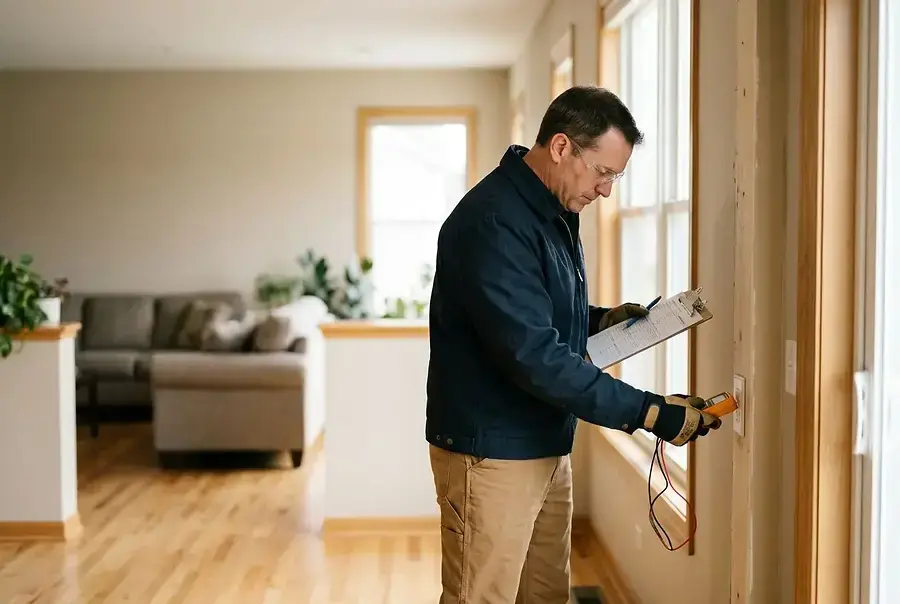
A thorough home inspection provides you with an independent, professional assessment of the property's condition. This detailed report gives you the knowledge needed to negotiate repairs, request credits, or make an informed decision about whether to proceed with the purchase. In DuPage County's diverse neighborhoods, from the upscale homes of Naperville to the family-friendly communities of Bolingbrook, every property has unique characteristics that deserve careful evaluation.
Without a home inspection, you could inherit costly problems like hidden structural damage, outdated electrical systems, or failing HVAC equipment. A professional inspector acts as your advocate, identifying issues before they become your financial responsibility.
What Professional Inspectors Examine During a Residential Inspection
Structural Components and Foundation
The foundation is the backbone of any home. Professional inspectors examine the foundation for cracks, settling, water damage, and signs of structural movement. They assess basement walls, crawl spaces, and look for evidence of past or present water intrusion—a common concern in the Midwest.
Roofing and Exterior
Your roof protects everything beneath it. Inspectors evaluate:
- Roof age and remaining lifespan
- Missing, damaged, or curling shingles
- Flashing around chimneys and vents
- Gutters and downspouts
- Exterior siding, trim, and paint condition
- Windows and doors for proper sealing
Electrical Systems
Electrical safety is paramount. Inspectors check the main electrical panel, circuit breakers, grounding, and wiring throughout the home. They look for outdated systems, improper installations, and potential fire hazards. Older homes in DuPage County may have knob-and-tube wiring or aluminum wiring, which can pose safety risks and may affect insurance rates.
Plumbing and Water Systems
A comprehensive plumbing inspection includes:
- Water pressure and flow rates
- Pipe material and condition (galvanized, copper, PVC)
- Water heater age and functionality
- Drainage systems and septic conditions
- Signs of leaks or water damage
- Sump pump operation (critical in DuPage County)
HVAC Systems
Heating and cooling systems are essential for comfort and safety. Inspectors evaluate furnace and air conditioning unit age, efficiency, and condition. They check ductwork, thermostats, and ensure proper ventilation throughout the home.
Interior Components
Professional inspectors examine interior walls, ceilings, and floors for damage, moisture, or structural concerns. They assess insulation levels, check for pest damage, and look for signs of mold or water intrusion. Attic spaces are thoroughly evaluated for ventilation, insulation, and potential issues.
Appliances and Built-ins
While not always included in standard inspections, many inspectors evaluate the condition of kitchen appliances, built-in fixtures, and other permanent installations. This helps you understand what's included in the sale and what may need replacement soon.
How to Prepare for Your Home Inspection and Ask the Right Questions
Before the Inspection
Preparation is key to getting the most value from your home inspection:
- Schedule early: Book your inspection as soon as your offer is accepted to meet typical contingency deadlines
- Attend the inspection: Being present allows you to ask questions and learn about the property directly from the professional
- Request a detailed report: Ensure your inspector provides a comprehensive written report with photos and recommendations
- Ask about certifications: Verify that your inspector is certified by organizations like the American Society of Home Inspectors (ASHI)
Questions to Ask Your Inspector
Don't be shy about asking questions. A good inspector welcomes them. Consider asking:
- "What is the age and expected lifespan of major systems?"
- "Are there any safety concerns I should know about?"
- "What maintenance issues need immediate attention versus long-term planning?"
- "Do you recommend any specialized inspections?"
- "What's the cost to repair or replace the items you've noted?"
Specialized Inspections to Consider
Depending on the inspection findings, you may want to invest in specialized inspections:
- Radon testing: Essential in Illinois, particularly in DuPage County
- Mold inspection: Recommended if water damage is suspected
- Termite and pest inspection: Protects against costly structural damage
- Chimney inspection: Important for homes with fireplaces
- Well and septic inspection: Necessary for properties not on municipal systems
Using Inspection Results to Make Confident Purchasing Decisions
Once you receive your inspection report, take time to review it carefully. Not every finding requires action. Inspectors note items ranging from minor cosmetic issues to serious structural concerns. Work with your real estate agent to prioritize findings by severity and cost.
You have several options based on inspection results:
- Request repairs: Ask the seller to fix significant issues before closing
- Negotiate credits: Request a credit toward closing costs to handle repairs yourself
- Renegotiate price: Adjust the purchase price to reflect necessary repairs
- Walk away: If major issues exist, you may choose to terminate the purchase
Remember, a home inspection is an investment in your peace of mind. The cost of a thorough inspection—typically $300-$500 in DuPage County—is minimal compared to the potential cost of undiscovered problems. Whether you're buying in Naperville's established neighborhoods, Bolingbrook's diverse communities, or any surrounding area, a professional home inspection is your best defense against costly surprises.
By understanding what inspectors look for and actively participating in the inspection process, you're taking control of one of life's biggest decisions. Armed with detailed knowledge about your potential new home, you can move forward with confidence, knowing exactly what you're investing in.