The Complete Home Inspection Checklist for Eagle, Idaho Buyers
Learn what professional inspectors look for and how to protect your investment before closing on an Eagle property.

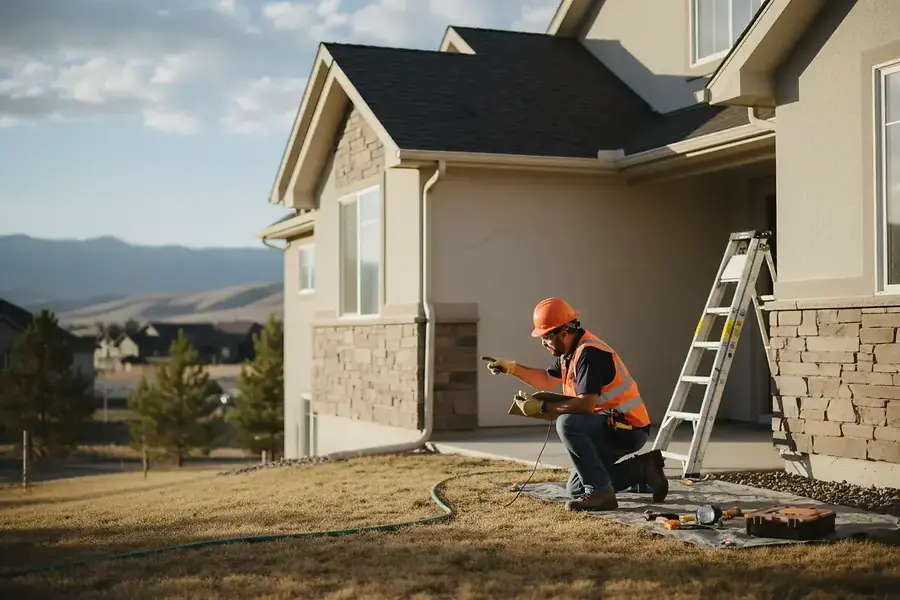
Why Home Inspections Matter in Eagle's Real Estate Market
Purchasing a home is one of the most significant financial decisions you'll make, and in Eagle's competitive real estate market, a thorough home inspection is your best defense against costly surprises. A professional home inspection provides an objective assessment of a property's condition, identifying potential issues before you commit to the purchase. This critical step can save you thousands of dollars in unexpected repairs and give you the confidence to move forward with your investment.
Eagle's unique climate and construction styles mean that certain issues are more prevalent than in other regions. Understanding what inspectors look for and what problems commonly arise in local homes will help you make an informed decision and negotiate effectively with sellers.
What Inspectors Check: Critical Systems and Structural Components
Foundation and Structural Integrity
Inspectors begin by examining the foundation for cracks, settling, and water damage. In Eagle, where freeze-thaw cycles are common, foundation issues can develop over time. They'll look for:
- Horizontal or vertical cracks in concrete or masonry
- Signs of water intrusion or moisture in basements
- Uneven floors or doors that don't close properly
- Bowing or leaning walls
Roofing and Exterior
The roof is your home's first line of defense against the elements. Inspectors evaluate:
- Shingle condition, age, and remaining lifespan
- Flashing around chimneys, vents, and skylights
- Gutters and downspouts for proper drainage
- Siding, trim, and exterior paint condition
- Windows and doors for proper sealing and operation
Plumbing Systems
Water damage is one of the costliest issues homeowners face. Inspectors check:
- Water pressure and flow throughout the home
- Visible pipes for corrosion or leaks
- Water heater age, condition, and capacity
- Drain functionality and signs of blockages
- Septic systems (if applicable) for proper operation
Electrical Systems
Safety is paramount when evaluating electrical systems. Inspectors examine:
- Panel condition and proper grounding
- Outlet and switch functionality
- Presence of GFCI outlets in wet areas
- Adequate capacity for modern electrical demands
- Outdated wiring that may pose fire hazards
HVAC and Climate Control
Heating and cooling systems are essential in Eagle's climate. Inspectors assess:
- Furnace or heat pump age and efficiency
- Air conditioning unit condition
- Ductwork for leaks and proper insulation
- Thermostat functionality
- Ventilation and air quality systems
Insulation and Ventilation
Proper insulation and ventilation prevent energy loss and moisture problems. Inspectors check attic insulation levels, ventilation adequacy, and signs of moisture or mold growth.
Common Issues Found in Eagle Homes and How to Address Them
Moisture and Water Damage
Eagle's precipitation and seasonal changes create ideal conditions for moisture problems. Common issues include basement seepage, roof leaks, and foundation cracks allowing water intrusion. If discovered, ensure proper drainage around the foundation, repair roof leaks promptly, and consider waterproofing solutions. Request repair estimates from qualified contractors before finalizing your offer.
Aging Roofs
Many Eagle homes have roofs nearing the end of their lifespan. A roof replacement can cost $8,000-$15,000 or more, making this a significant negotiation point. Ask the seller for roof age documentation and get a professional roofer's assessment of remaining life.
Outdated Electrical Systems
Older homes may have aluminum wiring or insufficient panel capacity. These issues pose fire hazards and limit your ability to add modern appliances. Budget for electrical upgrades if the inspection reveals these problems.
HVAC System Age
Furnaces and air conditioning units typically last 15-20 years. If systems are approaching or exceeding this age, plan for replacement costs in your budget. Request maintenance records to understand how well previous owners maintained these critical systems.
Plumbing Concerns
Galvanized pipes, which corrode over time, are common in older Eagle homes. Replacing plumbing can be expensive, so get detailed estimates if issues are found. Polybutylene pipes, used in some homes built in the 1980s-1990s, are also problematic and may need replacement.
Inadequate Insulation
Many older homes lack sufficient insulation for Eagle's climate. This leads to higher energy bills and comfort issues. Adding insulation is a cost-effective upgrade that improves both comfort and resale value.
Making Informed Decisions with Inspection Results
Once you receive the inspection report, you have several options:
- Request repairs: Ask the seller to fix significant issues before closing
- Negotiate credits: Receive a credit toward closing costs to handle repairs yourself
- Renegotiate price: Adjust the purchase price to reflect necessary repairs
- Walk away: If issues are too extensive, you may choose to cancel the purchase
Work with your real estate agent and a qualified contractor to prioritize issues by severity and cost. Focus on structural, safety, and system issues before cosmetic concerns. Get multiple repair estimates to ensure fair pricing in your negotiations.
Remember, no home is perfect. The goal of a home inspection is to understand what you're buying and make an informed decision. By knowing what to expect and how to respond to inspection findings, you'll protect your investment and enjoy your new Eagle home with confidence.


