The Complete Home Inspection Checklist for Eden, NC Buyers
Discover what to look for during a home inspection and how to protect your investment in Eden's competitive real estate market.

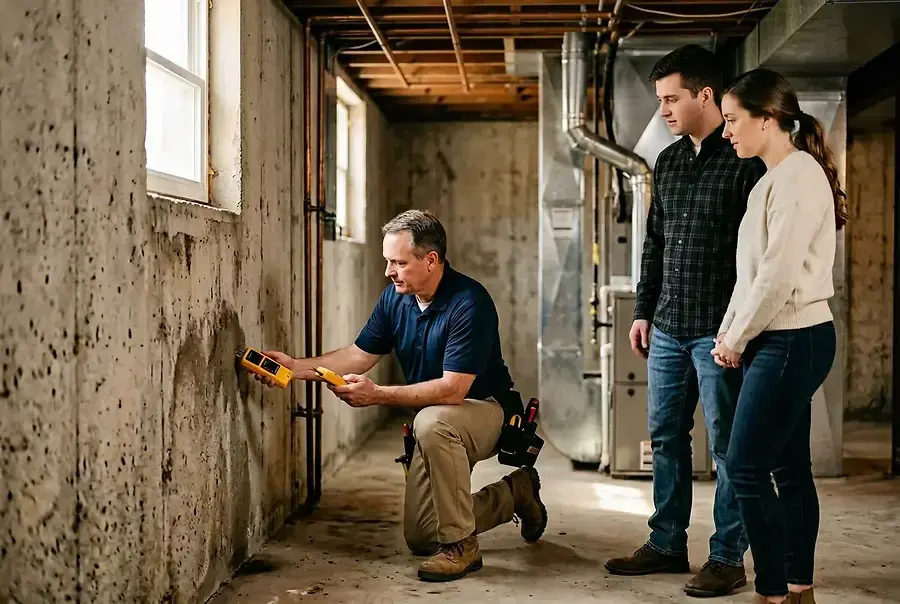
Understanding the Home Inspection Process
A home inspection is one of the most critical steps in the home-buying journey, especially in Eden's competitive real estate market. This professional evaluation gives you a detailed understanding of your potential property's condition before you commit to the purchase.
During a typical home inspection, a certified inspector will spend two to four hours examining the property's structural components, systems, and overall condition. They'll evaluate everything from the foundation to the roof, checking electrical systems, plumbing, HVAC units, and appliances. The inspector will provide you with a comprehensive written report detailing their findings.
What to Expect During Your Inspection
You should always attend your home inspection in person. This allows you to ask questions directly and understand potential issues firsthand. The inspector will walk through each area of the home, explaining what they're looking for and what they discover. Take notes and ask for clarification on anything you don't understand.
- Exterior inspection: Roof condition, siding, gutters, foundation, and landscaping
- Interior systems: Electrical panels, water heaters, HVAC systems, and plumbing
- Living spaces: Walls, ceilings, floors, windows, and doors
- Safety features: Smoke detectors, carbon monoxide detectors, and handrails
Common Issues Found in Eden Homes and What They Mean
Understanding typical problems found in Eden-area homes can help you prepare for what you might encounter. North Carolina's climate and local building practices mean certain issues appear more frequently than others.
Moisture and Water Damage
One of the most common issues in Eden homes is moisture-related damage. The region's humidity and occasional heavy rainfall can lead to water intrusion in basements, crawl spaces, and attics. Look for signs of water stains, mold growth, or soft wood during your inspection. These issues can be expensive to repair and may indicate larger structural problems.
HVAC System Age and Condition
Many older homes in Eden have aging heating and cooling systems. An HVAC system typically lasts 15-20 years. If the system is nearing the end of its lifespan, budget for replacement costs, which can range from $5,000 to $10,000 or more. Ask the inspector about the system's efficiency rating and maintenance history.
Roof Condition
Roofing is another critical area to examine. North Carolina weather can be tough on roofs, causing shingles to deteriorate faster than in other regions. A roof inspection should include checking for missing shingles, curling, granule loss, and proper ventilation. Roof replacement is a significant expense, so understanding the roof's remaining lifespan is essential.
Electrical System Updates
Older homes may have outdated electrical systems that don't meet current safety standards. Look for aluminum wiring, outdated panels, or insufficient outlets. Modern homes should have adequate grounding and proper circuit breaker protection. Upgrading electrical systems can be costly but is crucial for safety.
Foundation Issues
Foundation problems can range from minor settling cracks to serious structural concerns. The inspector will look for cracks in the foundation, uneven floors, or signs of water damage. Minor cracks are often normal, but significant structural issues require professional evaluation and can be expensive to repair.
Using Inspection Results to Negotiate Better Offers
Once you receive your inspection report, you have valuable information to guide your next steps. Don't panic if the report identifies issues—most homes have some problems. The key is understanding which issues are deal-breakers and which are manageable.
Prioritizing Inspection Findings
Categorize issues into three groups: critical, important, and minor. Critical issues affect safety or structural integrity, such as foundation problems or faulty electrical systems. Important issues require repair but aren't immediately dangerous, like a roof nearing replacement. Minor issues are cosmetic or easily fixable, such as caulking or paint.
Negotiation Strategies
Use your inspection report as a negotiation tool. You have several options:
- Request repairs: Ask the seller to fix critical and important issues before closing
- Request credits: Request a credit toward closing costs to handle repairs yourself
- Renegotiate price: Ask for a price reduction reflecting the cost of necessary repairs
- Walk away: If issues are too severe or costly, you can withdraw from the purchase
In Eden's competitive market, be strategic with your requests. Sellers may be less willing to negotiate if they have other offers. Focus on critical safety issues and major systems that significantly impact the home's value and livability.
Getting Second Opinions
For major issues like foundation problems or roof damage, consider hiring a specialist for a detailed evaluation. A structural engineer or roofing contractor can provide specific repair estimates and timelines. This information strengthens your negotiating position and helps you make informed decisions.
Final Steps: From Inspection Report to Closing
After negotiations are complete, you're in the home stretch toward closing. Keep several important considerations in mind during this final phase.
Document Everything
Keep copies of your inspection report, all correspondence about repairs, and any contractor estimates. These documents protect you and provide a record of the home's condition at the time of purchase. They're also valuable for future reference and insurance purposes.
Final Walk-Through
Schedule a final walk-through 24 hours before closing. Verify that any agreed-upon repairs have been completed satisfactorily. Check that appliances and fixtures that were supposed to stay are still in the home. This is your last chance to address any issues before you take ownership.
Title Insurance and Home Warranty
Consider purchasing a home warranty to cover major systems and appliances for the first year. While not required, this provides peace of mind and protects against unexpected repair costs. Additionally, ensure you have title insurance to protect against any ownership disputes.
Moving Forward with Confidence
A thorough home inspection is your best defense against costly surprises after purchase. By understanding the inspection process, knowing what issues to expect in Eden homes, and using your inspection results strategically, you can protect your investment and make an informed decision about your new home.
Remember, a home inspection isn't meant to discourage you from buying—it's meant to empower you with knowledge. Armed with detailed information about your potential home's condition, you can move forward with confidence and peace of mind.


