The Complete Home Inspection Checklist for Fayetteville Homebuyers
Discover the critical inspection checklist that protects your investment and reveals hidden issues before closing day.

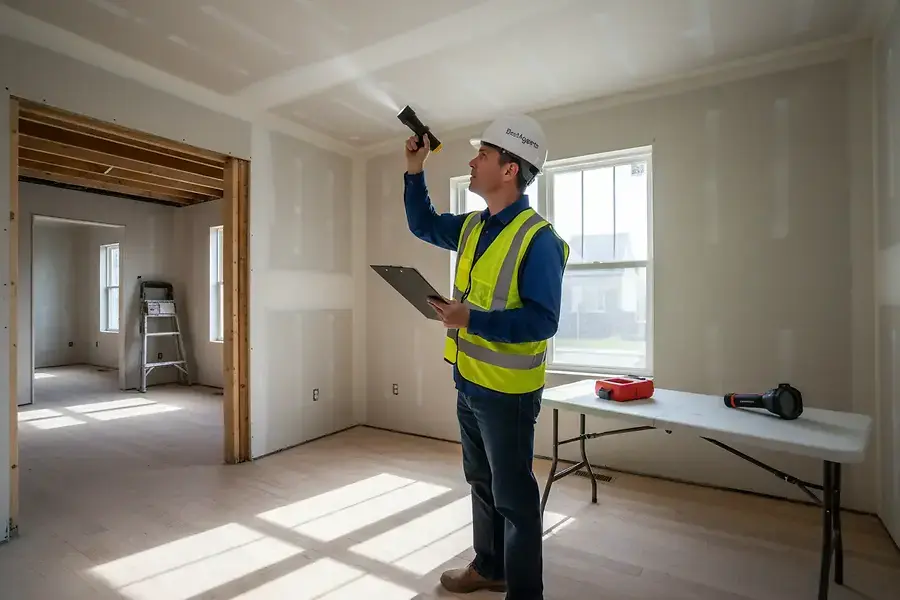
Why Home Inspections Matter in Fayetteville's Competitive Market
Buying a home is one of the most significant financial decisions you'll ever make. In Fayetteville's competitive real estate market, where properties move quickly and competition is fierce, a thorough home inspection is your best defense against costly surprises. A professional home inspection provides an objective assessment of a property's condition, helping you make informed decisions and negotiate repairs or price adjustments before closing.
Many homebuyers skip or rush through inspections to stay competitive, but this approach can lead to expensive repairs down the road. A comprehensive inspection typically costs between $300 and $500 and can save you thousands in hidden defects. Whether you're a first-time buyer or an experienced investor, understanding what inspectors look for is essential to protecting your investment.
Key Areas Inspectors Examine and Red Flags to Watch For
Structural Components and Foundation
The foundation is the backbone of any home. Inspectors examine the foundation for cracks, settling, water damage, and signs of structural movement. Red flags include horizontal cracks, bowing walls, or evidence of previous water intrusion. Foundation issues can be expensive to repair, so this is one of the most critical areas to evaluate.
Roof and Attic
Your roof protects everything beneath it. Inspectors check for missing or damaged shingles, proper ventilation, signs of leaks, and the roof's remaining lifespan. Watch for water stains on attic wood, mold growth, or sagging roof lines. A roof replacement can cost $10,000 or more, making this inspection crucial for budgeting future maintenance.
Plumbing Systems
Inspectors test water pressure, check for leaks under sinks and around toilets, and examine the water heater. Red flags include slow drains, water stains, corrosion on pipes, or an aging water heater. Plumbing issues can lead to water damage and mold if left unaddressed, so pay close attention to this system.
Electrical Systems
A qualified inspector will examine the electrical panel, outlets, switches, and wiring. Be cautious of outdated wiring, insufficient outlets, or signs of electrical fires. Older homes in Fayetteville may have aluminum wiring or knob-and-tube systems, which pose safety and insurance concerns. Electrical upgrades can be costly, so understanding the system's condition is vital.
HVAC Systems
Heating, ventilation, and air conditioning systems are essential for comfort and indoor air quality. Inspectors check the furnace, air conditioner, ductwork, and thermostat functionality. Red flags include unusual noises, poor airflow, or an aging system nearing the end of its lifespan. HVAC replacements typically cost $5,000 to $10,000, so knowing the system's age and condition helps with long-term planning.
Exterior and Drainage
The exterior protects your home from the elements. Inspectors examine siding, windows, doors, gutters, and grading. Watch for water pooling near the foundation, damaged gutters, or poor drainage. These issues can lead to foundation problems and water intrusion, making proper drainage critical in Fayetteville's climate.
Interior Conditions
Inspectors assess walls, ceilings, floors, and doors for damage, water stains, or signs of pest infestation. Red flags include visible mold, evidence of termites, or significant water damage. These issues can affect the home's structural integrity and your family's health.
How to Prepare for an Inspection and Ask the Right Questions
Before the Inspection
Schedule your inspection as soon as your offer is accepted. Ensure the home is accessible and utilities are on so the inspector can thoroughly evaluate all systems. Request a detailed inspection report that includes photographs and recommendations for repairs or further evaluation.
During the Inspection
Attend the inspection if possible. This is your opportunity to ask questions and understand the home's condition firsthand. Take notes on areas of concern and ask the inspector to explain findings in detail. Don't be shy about asking questions—a professional inspector welcomes inquiries and wants you to understand the property's condition.
Questions to Ask Your Inspector
- What is the estimated remaining lifespan of major systems? Understanding when you'll need to replace the roof, HVAC, or water heater helps with budgeting.
- Are there any safety concerns I should address immediately? Some issues require urgent attention for your family's safety.
- What maintenance should I perform regularly? Proper maintenance can extend the life of systems and prevent costly repairs.
- Do you recommend any further inspections? Specialized inspections for termites, mold, or radon may be necessary based on initial findings.
- What repairs are essential versus cosmetic? This helps you prioritize and negotiate with the seller.
After the Inspection
Review the detailed inspection report carefully. Prioritize findings by severity and cost. Use the report to negotiate repairs or credits with the seller. If significant issues are discovered, consider obtaining quotes from contractors to understand repair costs. This information strengthens your negotiating position and helps you make an informed decision about proceeding with the purchase.
Making Informed Decisions with Inspection Insights
A home inspection is an investment in your peace of mind and financial security. By understanding what inspectors examine and knowing what red flags to watch for, you're equipped to make informed decisions in Fayetteville's competitive market. Don't let the pressure to move quickly prevent you from conducting a thorough inspection.
Use the inspection report as a tool for negotiation and planning. Whether you request repairs, credits, or price reductions, the inspection gives you leverage and clarity. Remember, every home has some issues—the goal is to understand them fully and decide if they're acceptable for your situation and budget.
Protect your investment by prioritizing a comprehensive home inspection. Your future self will thank you for the diligence you take today.


