The Complete Home Inspection Checklist for Finchburg, WI Homebuyers
Learn what to look for during inspections to make confident purchasing decisions in the Finchburg real estate market.

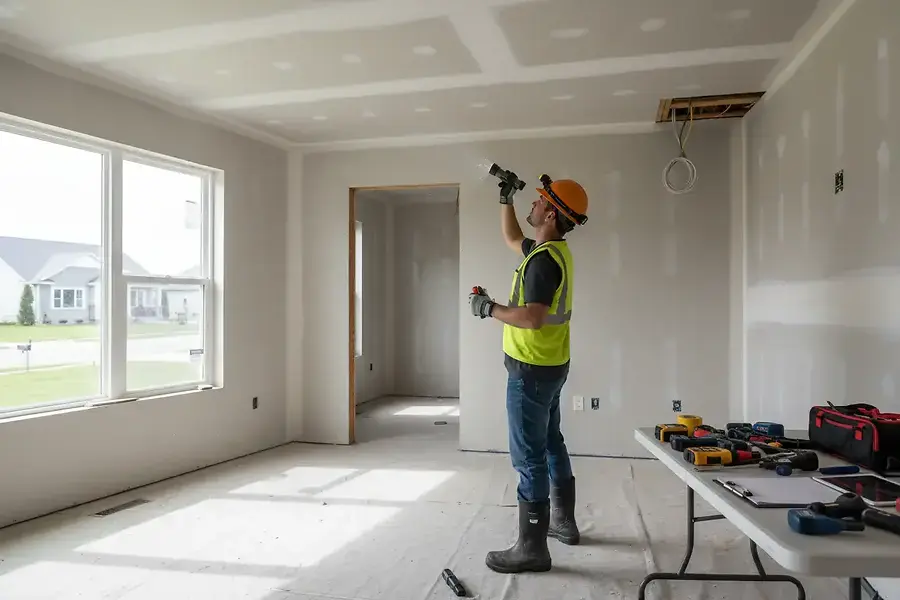
Introduction: Why Home Inspections Matter in Finchburg
Purchasing a home is one of the most significant investments you'll make in your lifetime. In the Finchburg real estate market, a thorough home inspection is not just a formality—it's a critical step that protects your financial interests and ensures you're making an informed decision. A professional home inspection provides an objective assessment of a property's condition, identifying potential issues before you commit to the purchase.
Many homebuyers in Finchburg overlook the importance of inspections or rush through the process, only to discover costly problems after closing. By understanding what inspectors evaluate and what red flags to watch for, you can navigate the inspection process with confidence and avoid expensive surprises down the road.
Key Areas Inspectors Evaluate in Residential Properties
Structural Components and Foundation
The foundation is the backbone of any home. Inspectors examine the foundation for cracks, settling, water damage, and signs of structural movement. In Finchburg's climate, freeze-thaw cycles can be particularly hard on foundations, making this inspection especially important. They'll also assess the structural integrity of walls, beams, and support systems throughout the property.
Roofing and Exterior
Your roof protects everything beneath it, so inspectors pay close attention to its condition. They evaluate:
- Shingle condition and age
- Flashing around chimneys and vents
- Gutters and downspouts
- Exterior siding and trim
- Windows and doors
- Grading and drainage around the property
Proper drainage is crucial in Wisconsin, where heavy snow and rain are common. Poor grading can lead to water intrusion and basement issues.
Plumbing Systems
Inspectors test water pressure, check for leaks, and evaluate the condition of pipes throughout the home. They'll identify:
- Outdated or corroded piping materials
- Water heater age and functionality
- Septic system condition (if applicable)
- Sump pump operation
- Drainage issues in bathrooms and kitchen
Electrical Systems
A safe electrical system is paramount. Inspectors examine the main panel, circuit breakers, wiring, outlets, and switches. They look for outdated systems like aluminum wiring, insufficient grounding, and code violations that could pose fire hazards.
Heating and Cooling Systems
Given Finchburg's cold winters, the heating system is critical. Inspectors evaluate furnaces, heat pumps, and other heating equipment for age, efficiency, and proper operation. They also assess air conditioning systems and ductwork.
Interior Spaces and Appliances
Inspectors examine walls, ceilings, floors, and insulation for damage, moisture, or pest activity. They test built-in appliances and check for proper ventilation in kitchens and bathrooms. Attic and basement spaces receive particular attention for signs of water damage, mold, or pest infestation.
Red Flags and How to Respond to Inspection Findings
Major Structural Issues
Red Flag: Significant foundation cracks, bowing walls, or evidence of settling.
How to Respond: Request a structural engineer's evaluation. These issues can be expensive to repair and may affect the home's value and insurability. Use this information to renegotiate the price or request repairs before closing.
Water Damage and Mold
Red Flag: Stains on ceilings or walls, musty odors, or visible mold growth.
How to Respond: Water damage indicates ongoing moisture problems. Request a mold inspection and identify the source of the water intrusion. This could signal expensive remediation needs or ongoing maintenance issues.
Outdated or Failing Systems
Red Flag: Furnaces over 15 years old, electrical panels with outdated components, or plumbing with galvanized pipes.
How to Respond: Get quotes for replacement or repair. Factor these costs into your offer or request that the seller address them before closing. Budget for replacements in your financial planning.
Pest Infestation
Red Flag: Evidence of termites, carpenter ants, rodents, or other pests.
How to Respond: Request a pest control inspection and treatment plan. Pest damage can compromise structural integrity, so this requires immediate attention and professional remediation.
Roof Concerns
Red Flag: Roofs nearing the end of their lifespan, missing shingles, or active leaks.
How to Respond: Obtain roofing estimates for replacement or repair. A new roof is a significant expense—use this finding to negotiate a price reduction or request repairs before closing.
HVAC Issues
Red Flag: Heating systems that don't function properly or are near the end of their service life.
How to Respond: Get HVAC quotes and factor replacement costs into your decision. In Finchburg's climate, a reliable heating system is essential, making this a priority concern.
Conclusion: Using Inspection Results to Negotiate Better Offers
A home inspection report is a powerful negotiating tool. Once you receive the inspection findings, you have several options:
- Request Repairs: Ask the seller to fix identified issues before closing.
- Negotiate Price Reduction: Use inspection findings to justify a lower offer price.
- Request Credits: Ask the seller to provide credits toward repairs you'll handle yourself.
- Walk Away: If major issues are discovered, you may decide the property isn't worth pursuing.
The key is to approach negotiations professionally and armed with facts. Your inspector's report provides objective evidence of the property's condition, giving you leverage in discussions with the seller.
In the Finchburg real estate market, a thorough home inspection is your best defense against costly surprises. By understanding what inspectors evaluate, recognizing red flags, and knowing how to respond to findings, you'll make confident purchasing decisions that protect your investment. Don't skip this crucial step—your future self will thank you.