The Complete Home Inspection Checklist for First-Time Buyers
Master the key inspection points every homebuyer should evaluate before making an offer.

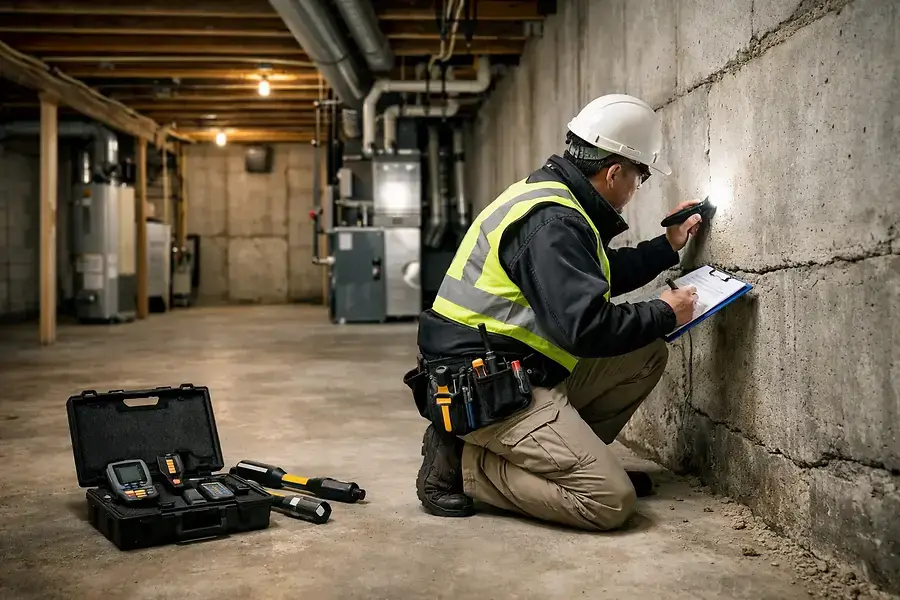
Introduction: Why Home Inspections Matter for Buyers
Purchasing a home is one of the most significant financial decisions you'll ever make. A professional home inspection is your opportunity to uncover potential issues before signing on the dotted line. A thorough inspection can save you thousands of dollars in unexpected repairs and provide peace of mind about your investment.
Many first-time buyers underestimate the importance of a comprehensive inspection, viewing it as just another step in the process. However, what you discover during an inspection can fundamentally change your negotiating position and help you avoid costly mistakes. This checklist will guide you through the essential areas to evaluate.
Structural and Foundation Issues to Assess
Foundation Integrity
The foundation is the backbone of any home. During your inspection, look for:
- Visible cracks in the foundation walls or basement floor
- Water damage, staining, or signs of moisture intrusion
- Uneven settling or sloping floors
- Gaps between walls and the foundation
Foundation repairs can be extremely expensive, so this is a critical area to evaluate carefully.
Roof Condition and Integrity
Your roof protects everything beneath it. Inspect for:
- Missing, cracked, or curling shingles
- Sagging roof lines or structural issues
- Proper ventilation and flashing around chimneys and vents
- Age of the roof and estimated remaining lifespan
- Signs of water damage in the attic
A roof replacement can cost $10,000 or more, making this inspection point crucial for your budget planning.
Exterior Walls and Siding
Examine the home's exterior for:
- Rot, decay, or damage to wood siding
- Cracks in brick or masonry
- Proper drainage away from the foundation
- Condition of windows and doors
Mechanical Systems and Critical Home Components
Electrical System
A faulty electrical system poses serious safety risks. Your inspection should verify:
- The main electrical panel is properly grounded and functioning
- Adequate circuit capacity for modern appliances
- No outdated or dangerous wiring (such as aluminum wiring)
- Proper GFCI outlets in bathrooms and kitchens
Electrical issues should never be overlooked, as they can create fire hazards and safety concerns.
Plumbing System
Water-related problems are among the most common and costly home issues. Check for:
- Water pressure and flow from all fixtures
- Signs of leaks under sinks and around toilets
- Condition of pipes (age, material, corrosion)
- Proper drainage in all areas
- Water heater age and condition
HVAC Systems
Heating, ventilation, and air conditioning systems are essential for comfort. Evaluate:
- Age and condition of furnace and air conditioning units
- Proper operation and temperature control
- Ductwork condition and insulation
- Regular maintenance history
Replacing an HVAC system can cost $5,000 to $15,000, so understanding its condition is vital.
Insulation and Ventilation
Proper insulation affects energy efficiency and comfort:
- Adequate insulation in attic, walls, and basement
- Proper ventilation to prevent moisture buildup
- Signs of air leaks around windows and doors
Red Flags That Could Affect Your Purchase Decision
Water Damage and Mold
Water damage is one of the most serious issues a home can have. It can lead to structural damage, mold growth, and health concerns.
Look for staining, discoloration, soft spots in wood, or musty odors. These signs indicate past or present water intrusion that requires immediate attention.
Pest Infestations
Evidence of termites, rodents, or other pests should be taken seriously. Look for:
- Droppings or nesting materials
- Damage to wood structures
- Entry points or gaps in the exterior
Outdated or Dangerous Systems
Some older homes may have:
- Asbestos insulation or materials
- Lead-based paint
- Outdated electrical wiring
- Knob-and-tube wiring
These issues may require professional remediation and can significantly impact your purchase decision.
Poor Maintenance History
A home that shows signs of deferred maintenance often indicates more problems lurking beneath the surface. Ask for maintenance records and pay attention to overall upkeep throughout the property.
Conclusion: Making Confident Offers with Inspection Knowledge
Armed with this comprehensive checklist, you're better equipped to evaluate potential homes and make informed decisions. Remember that a professional home inspector will provide detailed findings, but understanding these key areas helps you ask the right questions and negotiate effectively.
Don't rush the inspection process. Take time to walk through the property with your inspector, ask questions, and request clarification on any concerns. The investment in a thorough inspection now can protect your financial future and ensure you're making the right choice for your family.
With this knowledge in hand, you can approach your home purchase with confidence, knowing you've done your due diligence to protect one of your most important investments.


