The Complete Home Inspection Checklist for Fort Myers Buyers
Discover what to look for during inspections to avoid costly surprises in Florida's unique climate.

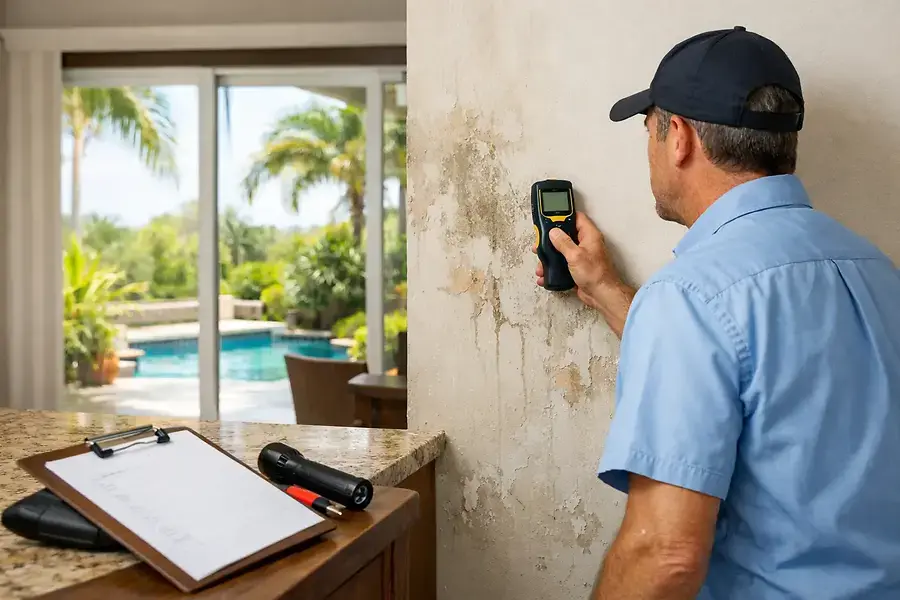
Why Home Inspections Matter in Fort Myers
Purchasing a home is one of the most significant investments you'll make in your lifetime. In Fort Myers, where the tropical climate and coastal environment present unique challenges, a thorough home inspection becomes even more critical. A professional home inspection can reveal hidden problems that could cost thousands of dollars to repair, protecting your investment and giving you peace of mind before closing the deal.
Fort Myers properties face distinct environmental pressures—from intense humidity and salt air to hurricane-force winds and flooding risks. What might be a minor issue in other regions could develop into a major problem in Florida's climate. Understanding what to look for during your inspection ensures you're making an informed decision about your new home.
Critical Areas to Inspect in Fort Myers Properties
Roof and Exterior Structures
Your roof is your home's first line of defense against Florida's weather. Inspect for missing or damaged shingles, improper installation, and signs of wear from UV exposure and salt air. Look for:
- Rust or corrosion on metal components
- Proper flashing around chimneys and vents
- Evidence of previous repairs or patches
- Adequate ventilation to prevent moisture buildup
The exterior walls should also be examined for cracks, deterioration, and proper sealing. Salt air can accelerate the breakdown of materials, so pay special attention to the condition of paint, caulking, and siding.
Moisture and Water Intrusion
Moisture damage is the most common and costly issue in Florida homes. Check for water stains, mold, mildew, and soft spots in walls and ceilings. Areas to prioritize include:
- Attics and crawl spaces for signs of leaks
- Bathrooms and kitchens for water damage around fixtures
- Basement or foundation areas for seepage
- Window frames and door seals for deterioration
- HVAC systems for condensation issues
Don't overlook less obvious areas like behind appliances and under sinks, where moisture problems often hide until they become severe.
HVAC and Cooling Systems
Air conditioning isn't a luxury in Fort Myers—it's a necessity. Have the HVAC system professionally evaluated to ensure it's properly sized and functioning efficiently. The inspector should check:
- Age and condition of the air conditioning unit
- Proper refrigerant levels
- Ductwork for leaks and proper insulation
- Thermostat functionality
- Maintenance records and service history
A failing AC system in Florida can be both uncomfortable and expensive to replace, so this deserves careful attention.
Plumbing and Water Systems
Florida's water quality and mineral content can affect plumbing systems differently than in other regions. Inspect for:
- Corrosion in pipes, especially older copper or galvanized systems
- Water pressure and flow rates
- Proper drainage in all fixtures
- Water heater age and condition
- Evidence of leaks or water damage
- Septic system condition (if applicable)
Hard water and salt air can accelerate pipe deterioration, making regular inspection and maintenance essential.
Electrical Systems
Ensure the electrical system is up to code and safe. The inspector should verify:
- Proper grounding and bonding
- Adequate circuit breaker capacity
- GFCI outlets in wet areas
- No outdated aluminum wiring
- Proper installation of any additions or modifications
Understanding Florida-Specific Issues and Concerns
Hurricane and Storm Preparedness
Fort Myers is in an active hurricane zone, so your home's storm readiness is crucial. Check for:
- Impact-resistant windows and doors
- Proper roof-to-wall connections and bracing
- Adequate shutters or storm protection systems
- Pool enclosure integrity (if applicable)
- Proper grounding for lightning protection
Homes with hurricane-resistant features may have lower insurance costs and better protection for your family and investment.
Foundation and Structural Concerns
Florida's sandy soil and high water table create unique foundation challenges. Look for cracks in the foundation, uneven floors, or doors that don't close properly—these could indicate settling or structural issues. Have the inspector assess:
- Foundation cracks and their severity
- Proper drainage around the foundation
- Pier and beam systems (if applicable)
- Evidence of previous foundation repairs
Pest and Termite Issues
Florida's warm, humid climate is ideal for pests, particularly termites. A separate termite inspection is often recommended to check for:
- Active termite infestations
- Previous termite damage
- Proper termite treatment and warranties
- Other pest evidence (rodents, cockroaches, etc.)
Flood Risk and Elevation
Understanding your property's flood risk is essential in Fort Myers. Ask the inspector about:
- Flood zone designation
- Elevation relative to surrounding areas
- Flood insurance requirements and costs
- Previous flood history of the property
- Proper grading and drainage systems
Making Informed Decisions Before Purchase
A comprehensive home inspection is your opportunity to uncover potential problems before they become your responsibility. Don't skip this crucial step or hire an inexperienced inspector to save money—the cost of a thorough inspection is minimal compared to the expense of major repairs.
Review the inspection report carefully and ask questions about any concerns. Consider getting a second opinion on significant issues, and always negotiate repairs or credits with the seller based on inspection findings.
Remember, in Fort Myers' unique climate, what seems like a small issue today could become a major problem tomorrow.
By following this checklist and working with qualified professionals, you'll make a confident, informed decision about your Fort Myers home purchase and protect your investment for years to come.


