The Complete Home Inspection Checklist for Harrisburg Buyers
Learn what professional inspectors look for and how to protect your investment before closing on your Harrisburg home.

Why Home Inspections Matter in Harrisburg's Market
Purchasing a home is one of the most significant financial decisions you'll make in your lifetime. In Harrisburg's competitive real estate market, a thorough home inspection is your best defense against costly surprises after closing. A professional home inspection provides an objective assessment of your potential property's condition, identifying issues that could affect its value, safety, and livability.
Many first-time homebuyers underestimate the importance of inspections, viewing them as an unnecessary expense. However, the average home inspection costs between $300 and $500—a small investment compared to the tens of thousands of dollars you could spend on unexpected repairs. In Harrisburg, where many homes were built decades ago, inspections are particularly crucial for identifying age-related issues that may not be immediately visible.
A professional inspector examines hundreds of components throughout your potential home, from the foundation to the roof, providing you with detailed documentation of the property's condition. This information empowers you to make informed decisions about your purchase and negotiate repairs or credits with the seller.
Structural and Foundation Issues Common to Harrisburg Homes
Foundation Assessment
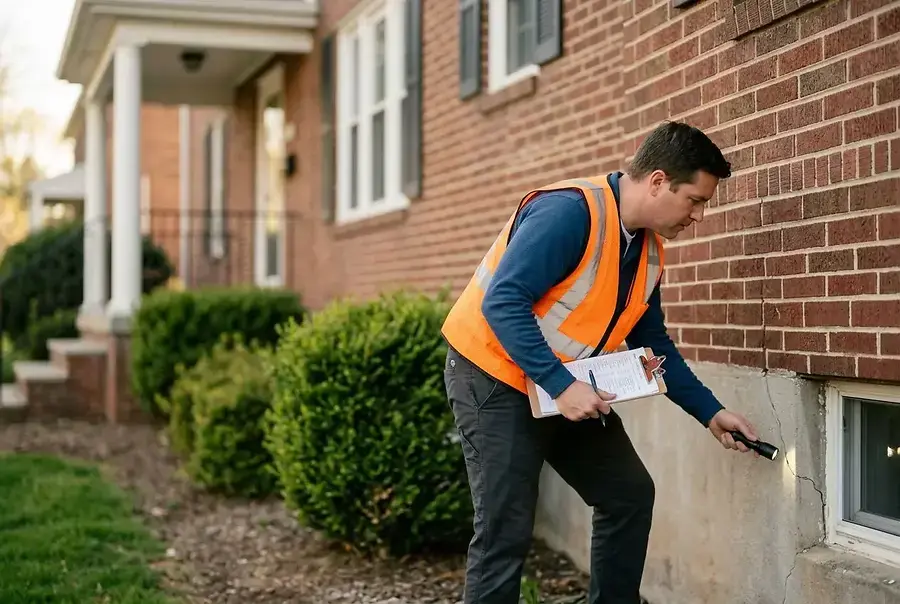
Harrisburg's older housing stock means foundation issues are a common concern. Inspectors look for:
- Cracks in the foundation walls or basement floors
- Water intrusion or moisture damage
- Signs of settling or shifting
- Efflorescence (white mineral deposits indicating moisture)
- Bowing or leaning walls
Minor cracks are often normal in older homes, but diagonal or horizontal cracks can indicate serious structural problems requiring professional evaluation and potential repair.
Roof and Exterior Condition
Your roof is one of your home's most critical protective barriers. Inspectors evaluate:
- Shingle condition and remaining lifespan
- Flashing around chimneys and vents
- Gutters and downspout functionality
- Signs of leaks or water damage in attics
- Proper ventilation and insulation
In Harrisburg's climate, proper roof maintenance is essential. A roof nearing the end of its life may require replacement within a few years—a significant expense you'll want to factor into your offer.
Walls, Windows, and Doors
Inspectors examine the home's exterior envelope for:
- Deteriorating siding or brick
- Rotting wood trim or fascia
- Window and door functionality
- Proper sealing and weatherproofing
- Deck or porch structural integrity
Systems and Safety: Electrical, Plumbing, and HVAC Evaluation
Electrical Systems
A safe electrical system is non-negotiable. Professional inspectors check:
- Panel condition and capacity
- Proper grounding and bonding
- Outlet and switch functionality
- Presence of GFCI outlets in wet areas
- Adequate lighting and circuit distribution
Outdated electrical systems are common in older Harrisburg homes. Knob-and-tube wiring or aluminum wiring may require replacement, which can be costly. Your inspector will identify these hazards so you can plan accordingly.
Plumbing Systems
Water damage is one of the most expensive issues homeowners face. Inspectors evaluate:
- Water pressure and flow rates
- Pipe material and condition (galvanized, copper, PVC)
- Signs of leaks or water damage
- Drain functionality
- Water heater age and condition
- Septic system or sewer line condition
Galvanized pipes, common in older Harrisburg homes, often corrode over time and may need replacement. Knowing the age and condition of your plumbing helps you budget for future upgrades.
HVAC Systems
Heating and cooling systems are essential for comfort and safety. Inspectors assess:
- Furnace or boiler age and functionality
- Air conditioning unit condition
- Ductwork integrity and insulation
- Thermostat operation
- Carbon monoxide detector presence
HVAC systems typically last 15-20 years. If your potential home's system is nearing the end of its lifespan, budget for replacement costs in your financial planning.
Additional Safety Considerations
Professional inspectors also evaluate:
- Presence and functionality of smoke detectors
- Carbon monoxide detectors in appropriate locations
- Stair railings and handrails
- Proper ventilation in bathrooms and kitchens
- Asbestos or lead paint presence in older homes
Using Inspection Results to Negotiate and Protect Your Investment
Once you receive your inspection report, you have several options. Don't panic if issues are found—most homes have some problems. The key is understanding which issues are deal-breakers and which are manageable.
Use your inspection report as a negotiation tool. Request that the seller address major issues, offer credits toward repairs, or reduce the purchase price to account for necessary work.
Prioritize issues by severity: safety concerns and major structural problems take precedence over cosmetic issues. Work with your real estate agent and a trusted contractor to estimate repair costs for significant findings.
Remember, the inspection period is your opportunity to walk away from the deal if major problems are discovered. However, most issues can be negotiated, allowing you to move forward with confidence in your purchase decision.
A thorough home inspection is your best investment in protecting your Harrisburg home purchase. By understanding what inspectors evaluate and how to use their findings, you'll make a more informed decision and avoid costly surprises after closing.


