The Complete Home Inspection Checklist for Houston Property Buyers
Discover the critical inspection points that protect your investment and prevent costly surprises in Houston's competitive real estate market.

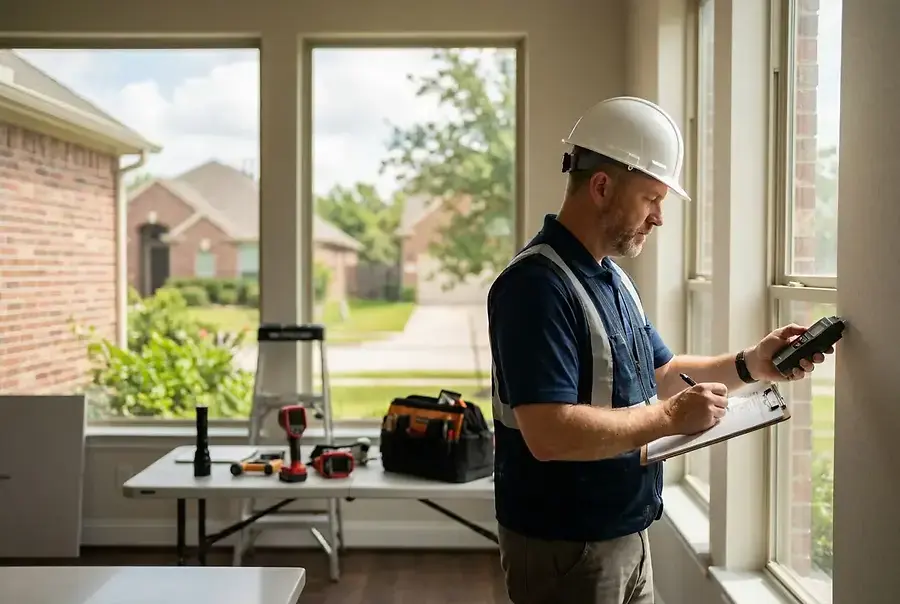
Why Professional Home Inspections Matter in Houston
Purchasing a home is one of the most significant financial decisions you'll make, and in Houston's fast-paced real estate market, thorough due diligence is essential. A professional home inspection serves as your safeguard against hidden defects, structural issues, and costly repairs that could drain your finances after closing. Houston's unique climate—characterized by high humidity, intense heat, and occasional flooding—creates specific challenges that inspectors must evaluate carefully.
Many buyers skip or rush through inspections to gain a competitive edge in multiple-offer situations. However, this approach often leads to expensive discoveries after purchase. A comprehensive inspection typically costs between $300 and $500 but can save you thousands in unexpected repairs. Understanding what inspectors look for helps you ask informed questions and make confident decisions about your investment.
Key Areas Home Inspectors Evaluate in Houston Properties
Roof and Attic Condition
Houston's intense sun and occasional severe weather make roof inspection critical. Inspectors examine shingles for deterioration, check for proper ventilation, and assess the attic for moisture, mold, or pest damage. The average roof lifespan is 15-20 years, so age is an important factor. Look for signs of water stains on attic wood and ensure proper insulation levels.
HVAC Systems
Air conditioning is non-negotiable in Houston. Inspectors test cooling efficiency, check refrigerant levels, and evaluate the age of units. Most HVAC systems last 10-15 years. A failing system in Houston's climate isn't just uncomfortable—it's a serious concern. Request maintenance records and ask about recent repairs or replacements.
Plumbing and Water Systems
Inspectors check water pressure, test drains, and look for leaks throughout the property. Houston's water quality and mineral content can affect pipes over time. They'll examine water heaters, assess pipe materials, and check for signs of corrosion. Older homes may have outdated plumbing that requires updating.
Foundation and Structural Integrity
Houston's clay soil can shift, potentially causing foundation issues. Inspectors look for cracks in walls, uneven floors, and doors that don't close properly. These signs may indicate foundation movement. This is one of the most expensive repairs, so foundation assessment is crucial.
Electrical Systems
A thorough electrical inspection includes checking the panel, outlets, and wiring. Inspectors verify that the system meets current safety codes and can handle modern electrical demands. Outdated wiring or insufficient capacity can be fire hazards and expensive to upgrade.
Moisture and Mold
Houston's humidity creates ideal conditions for mold growth. Inspectors use moisture meters to detect hidden water intrusion in walls, crawl spaces, and attics. Mold remediation can be costly and health-threatening, making this assessment vital.
Common Issues Found in Houston Homes and How to Address Them
Water Intrusion and Flooding Concerns
Many Houston properties have experienced water damage. Inspectors look for evidence of past flooding, water stains, and inadequate drainage. If flooding is a concern, ask about:
- Elevation relative to street level
- Grading and drainage systems
- Flood insurance requirements and costs
- Previous flood history and claims
Consider hiring a specialized flood risk assessment if the property is in a flood-prone area.
Pest Damage and Infestations
Termites, fire ants, and other pests are common in Houston. Inspectors check for wood damage, mud tubes, and pest droppings. Termite damage can be extensive and expensive to treat. Request a separate termite inspection if the general inspection reveals concerns.
Aging HVAC and Cooling Systems
Systems over 12 years old may be nearing the end of their lifespan. Budget for replacement if the unit is aging. A new system can cost $5,000-$10,000, so factor this into your offer if replacement is needed.
Roof Deterioration
Houston's sun accelerates roof aging. Curling shingles, missing granules, and visible wear indicate replacement needs. Budget $8,000-$15,000 for a new roof, depending on size and materials.
Outdated Electrical Panels
Older homes may have inadequate electrical capacity or outdated panels. Upgrading can cost $1,500-$3,000. This is a safety issue that shouldn't be ignored.
Plumbing Issues
Corroded pipes, slow drains, or water pressure problems are common. Galvanized pipes from older homes often need replacement. Budget accordingly if repiping is necessary.
Making Informed Decisions with Inspection Reports
Once you receive the inspection report, take time to review it thoroughly. Don't panic over minor issues—every home has some concerns. Focus on major systems and structural problems that affect safety and livability.
Prioritize your concerns: Separate critical issues (foundation, electrical, roof) from cosmetic or minor repairs. Use the report to negotiate repairs or credits with the seller. In Houston's market, sellers may be willing to address major issues to keep a deal moving forward.
Get professional opinions: If the inspector flags significant concerns, hire specialists for detailed assessments. A foundation engineer or mold specialist can provide clarity and cost estimates.
Plan for maintenance: Even well-maintained homes need ongoing care. Use the inspection report to create a maintenance schedule and budget for future repairs.
A professional home inspection is your opportunity to make an informed decision about one of life's biggest purchases. In Houston's competitive market, thorough inspections protect your investment and provide peace of mind. Take advantage of this critical step, ask questions, and don't hesitate to walk away if major red flags emerge. Your future self will thank you for the diligence.


