The Complete Home Inspection Checklist for Irving, Texas Buyers
What to look for during a home inspection to protect your investment and avoid costly surprises.

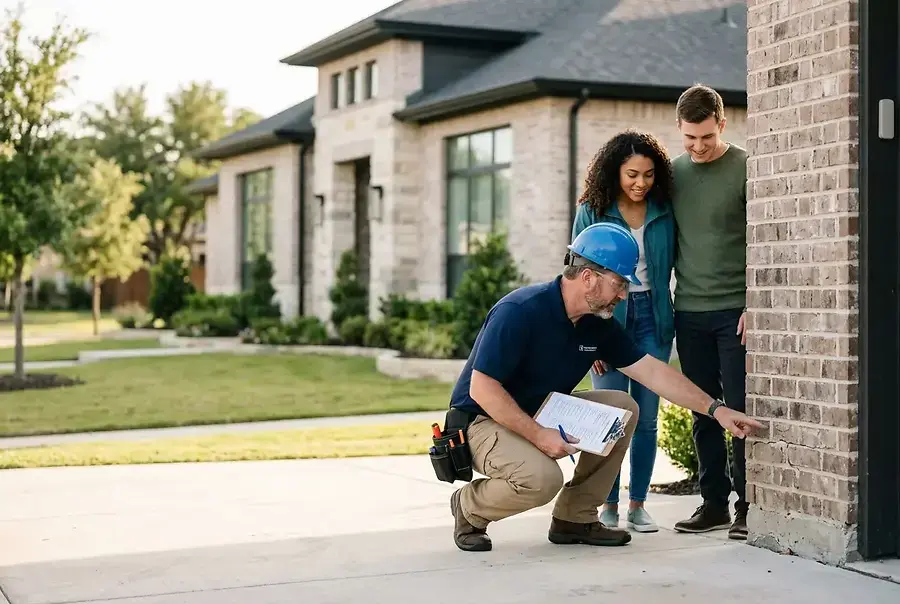
Why Home Inspections Matter in Irving's Residential Market
Purchasing a home is one of the most significant financial decisions you'll make in your lifetime. In Irving's competitive real estate market, a thorough home inspection is your best defense against inheriting expensive problems. A professional home inspection provides an objective assessment of a property's condition, revealing hidden issues that could cost thousands to repair.
Many buyers in Irving overlook the importance of inspections or rush through the process to close quickly. This approach can lead to devastating consequences. A comprehensive inspection report gives you leverage to negotiate repairs, request credits, or walk away from a problematic property before it's too late. Think of it as an investment in peace of mind and financial protection.
The inspection period typically lasts 2-4 hours and covers every major system in the home. By understanding what inspectors look for, you'll be better equipped to evaluate the property and make an informed decision.
Key Areas Inspectors Examine: Foundation, Systems, and Structural Integrity
Foundation and Structural Components
The foundation is the backbone of any home. Inspectors examine the foundation for cracks, settling, and water damage. In Irving's climate, foundation issues are particularly important to assess due to soil composition and weather patterns. Look for:
- Visible cracks in the foundation or basement walls
- Signs of water intrusion or moisture damage
- Uneven floors or doors that don't close properly
- Bowing or leaning walls
Foundation repairs can easily exceed $10,000, making this one of the most critical inspection areas.
Roof and Exterior
Your roof protects everything beneath it. Inspectors evaluate the roof's age, condition, and remaining lifespan. They'll check for:
- Missing, cracked, or curling shingles
- Proper ventilation and flashing
- Signs of leaks or water damage in the attic
- Gutters and downspouts in good working condition
- Exterior walls for damage, rot, or pest issues
A roof replacement can cost $8,000-$15,000 or more, so understanding its condition is essential.
Electrical and Plumbing Systems
These systems are vital to daily living. Inspectors examine:
- The electrical panel for proper grounding and safety
- Outlets and switches for proper function
- Water pressure and drainage throughout the home
- Pipe materials and signs of corrosion or leaks
- Water heater age and condition
- Presence of outdated wiring like knob-and-tube
Outdated electrical systems or plumbing issues can pose safety hazards and require expensive upgrades.
HVAC Systems
Heating, ventilation, and air conditioning systems are crucial in Texas. Inspectors check:
- Age and condition of the furnace and air conditioning unit
- Proper operation and temperature control
- Ductwork for leaks or damage
- Thermostat functionality
HVAC replacement can cost $5,000-$10,000, so knowing the system's age and condition helps you budget for future needs.
Interior Components
Inspectors also evaluate:
- Doors and windows for proper operation and sealing
- Insulation levels in attic and walls
- Flooring for damage, settling, or moisture issues
- Walls and ceilings for cracks, water stains, or mold
- Appliances included in the sale
Red Flags and Deal-Breakers: When to Walk Away or Negotiate Repairs
Serious Issues That Demand Attention
Some inspection findings are minor and easily fixed, while others signal serious problems. Major red flags include:
- Foundation damage: Significant cracks, settling, or water intrusion
- Roof problems: Extensive damage, leaks, or nearing end of lifespan
- Mold or water damage: Indicates moisture problems that could worsen
- Outdated electrical systems: Knob-and-tube wiring or inadequate panel capacity
- Plumbing issues: Corroded pipes, low water pressure, or sewage problems
- HVAC failure: Non-functional heating or cooling systems
- Pest infestation: Evidence of termites, rodents, or other pests
Negotiation Strategies
When the inspection reveals issues, you have several options:
- Request repairs: Ask the seller to fix problems before closing
- Negotiate credits: Request a credit toward repairs you'll handle yourself
- Renegotiate price: Lower the offer based on repair costs
- Walk away: If issues are too extensive, it may be wise to find another property
Remember: You have the most leverage during the inspection period. Once you close, you own all the problems.
When to Walk Away
Some situations warrant walking away entirely. Consider this option if:
- Foundation damage is severe and costly to repair
- Multiple major systems are failing simultaneously
- Mold or pest infestation is extensive
- The seller refuses to address critical safety issues
- Repair costs exceed your budget or the property's value
Walking away from a problematic property protects you from becoming house-poor and dealing with endless repairs.
Using Inspection Reports to Make Confident Purchasing Decisions
A professional inspection report is your roadmap to understanding the property's true condition. Use it to:
- Identify priorities: Determine which issues need immediate attention
- Budget for repairs: Get estimates for recommended fixes
- Plan maintenance: Understand what upkeep the home will require
- Negotiate effectively: Use specific findings to support your requests
- Make informed decisions: Decide whether the property is worth the investment
Don't hesitate to ask your inspector questions during the walkthrough. Understanding the issues helps you make better decisions and plan for the future. Many inspectors provide detailed reports with photos and recommendations, giving you a comprehensive overview of the property's condition.
Final Thought: A home inspection is not an expense—it's an investment in your financial security. In Irving's real estate market, taking time to thoroughly inspect a property before purchase can save you tens of thousands of dollars and years of frustration. Trust the process, ask questions, and make decisions based on facts, not emotions.


