The Complete Home Inspection Checklist for Kailua-Kona Buyers
Discover what to look for during inspections to protect your investment in Hawaii's most desirable coastal community.

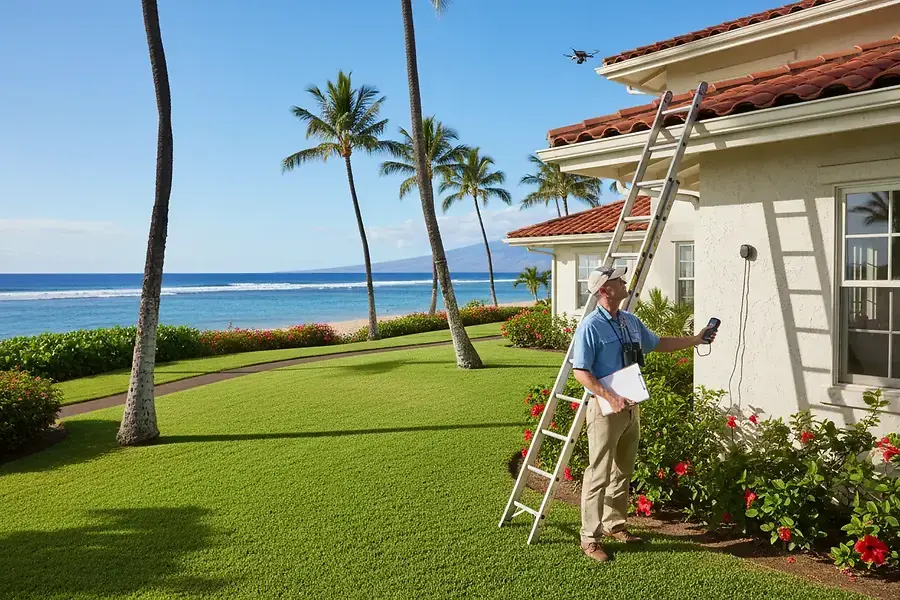
Understanding Common Issues in Kailua-Kona Properties
Kailua-Kona's tropical climate and coastal location create unique challenges for homeowners. The salt air, intense sun exposure, and occasional heavy rainfall can accelerate wear and tear on properties. Understanding these common issues before your inspection will help you identify potential problems and assess their severity.
Salt Corrosion and Rust are among the most prevalent concerns in coastal properties. Metal fixtures, railings, and structural components deteriorate faster due to salt spray. Look for discoloration, pitting, or flaking on metal surfaces, which indicate advanced corrosion that may require replacement.
Roof Damage is another critical issue. The intense UV radiation and occasional tropical storms can damage roofing materials more quickly than in mainland climates. Inspect for missing shingles, algae growth, and signs of water damage underneath.
Wood Rot and Termite Damage thrive in Hawaii's humid environment. Wooden structures, decks, and window frames are particularly vulnerable. Soft spots, discoloration, or visible insect damage should be taken seriously, as repairs can be expensive.
Plumbing Issues are common due to mineral-rich water and aging infrastructure in some neighborhoods. Corrosion in pipes and water pressure problems are frequent concerns that may require professional assessment.
Key Areas to Prioritize During Your Home Inspection
Foundation and Structural Integrity
Begin your inspection by examining the foundation for cracks, settling, or water intrusion. In Kailua-Kona, volcanic rock foundations are common, and understanding their condition is essential. Look for signs of moisture damage in crawl spaces or basements, and ensure proper drainage around the property.
Roof and Exterior
The roof is your first line of defense against Hawaii's weather. Inspect the condition of roofing materials, flashing, gutters, and downspouts. Check for proper ventilation and signs of leaks in the attic. Examine exterior walls for cracks, paint peeling, and weathering that could allow water infiltration.
HVAC and Ventilation Systems
Air conditioning systems work overtime in Kailua-Kona's warm climate. Verify that the AC unit is properly sized, well-maintained, and functioning efficiently. Check for adequate ventilation throughout the home, as proper airflow is crucial in tropical climates to prevent mold growth.
Plumbing and Water Systems
Request a thorough inspection of all visible plumbing. Test water pressure, check for leaks under sinks and around toilets, and inspect the water heater. Ask about the age of pipes and whether any have been replaced recently. Water quality can be an issue in some areas, so consider testing if you have concerns.
Electrical Systems
Ensure the electrical panel is properly grounded and that all circuits are functioning correctly. Check for outdated wiring, which may be a fire hazard. Verify that outlets near water sources have GFCI protection, and inspect for any signs of water damage to electrical components.
Windows and Doors
Salt air can damage window seals and frames. Check for proper operation, signs of corrosion, and water infiltration around frames. Ensure doors seal properly and that sliding glass doors operate smoothly without binding.
Questions to Ask Your Inspector and Red Flags to Watch For
Critical Questions to Ask
- What is the age and condition of the roof? Ask about remaining lifespan and whether replacement is anticipated soon.
- Are there any signs of past or present water damage? Water intrusion is a serious concern in tropical climates.
- Has the property been treated for termites? Ask about treatment history and whether the home is currently under a termite bond.
- What is the condition of the plumbing? Inquire about pipe materials, age, and any known issues.
- Are there any structural concerns? Ask specifically about foundation stability and any previous repairs.
- How is the drainage around the property? Proper drainage is essential to prevent water damage and foundation issues.
Red Flags to Watch For
Visible Mold or Mildew indicates moisture problems that could affect your health and require expensive remediation. Any musty odors should be investigated thoroughly.
Evidence of Previous Water Damage such as stains, warping, or soft spots suggests ongoing moisture issues. Ask about the cause and whether it has been properly resolved.
Outdated or Deteriorated Systems like old electrical panels, rusted water heaters, or failing AC units may require immediate replacement, adding to your costs.
Pest Damage beyond minor issues indicates a potential infestation problem. Extensive termite or carpenter ant damage can compromise structural integrity.
Improper Ventilation can lead to moisture accumulation and mold growth. Ensure the home has adequate air circulation.
Using Inspection Results to Negotiate and Close Your Deal
Once you receive the inspection report, take time to review it carefully. Prioritize issues by severity and cost. Major structural problems, roof issues, and pest damage should be addressed before closing, while minor cosmetic issues may be acceptable.
Use the inspection results as a negotiation tool. Request that the seller address critical issues, provide credits for repairs, or reduce the purchase price accordingly. In Kailua-Kona's competitive market, having a detailed inspection report strengthens your negotiating position.
Consider obtaining follow-up inspections or specialist evaluations for significant concerns. A termite inspector, roofer, or structural engineer can provide detailed assessments that help you make informed decisions.
Don't skip the final walkthrough before closing. Verify that agreed-upon repairs have been completed and that the property's condition matches the inspection report.
Investing in a thorough home inspection is one of the smartest decisions you can make when purchasing property in Kailua-Kona. By understanding common issues, knowing what to prioritize, asking the right questions, and using inspection results strategically, you'll protect your investment and ensure your new home is a sound purchase for years to come.


