The Complete Home Inspection Checklist for Lakeside, MT Buyers
Discover the critical inspection checkpoints every buyer should know before closing on their Lakeside property.

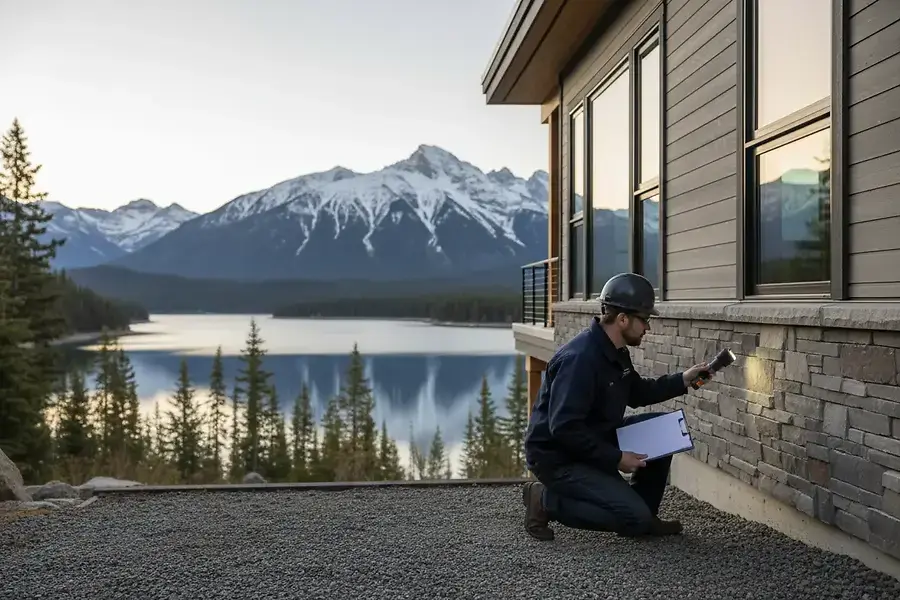
Why Home Inspections Matter in Lakeside's Waterfront Climate
Purchasing a home in Lakeside, Montana is an exciting investment, but it comes with unique challenges that inland properties don't face. The waterfront climate, seasonal weather patterns, and proximity to water create specific vulnerabilities that every buyer must understand. A thorough home inspection isn't just a formality—it's your protection against costly surprises down the road.
Lakeside's environment exposes homes to moisture, freeze-thaw cycles, and weather-related wear that can compromise structural integrity. Before signing on the dotted line, you need to know exactly what condition your potential home is in. This checklist will guide you through the essential inspection points that matter most in this unique Montana community.
Key Structural and Foundation Issues Specific to Lakeside Properties
Foundation and Moisture Concerns
The proximity to water and seasonal moisture fluctuations make foundation inspection critical in Lakeside. Look for:
- Water intrusion signs including efflorescence (white mineral deposits), cracks, or dampness in basements and crawl spaces
- Proper grading around the foundation to ensure water drains away from the home
- Sump pump functionality and backup power systems for wet seasons
- Foundation cracks that may indicate settling or water pressure issues
Roof and Exterior Weathering
Montana's harsh winters and variable weather demand a robust roof. Your inspector should examine:
- Roof age and condition with special attention to ice dam potential
- Flashing integrity around chimneys, vents, and valleys where water infiltration commonly occurs
- Gutter systems and downspout extensions that protect against water damage
- Exterior siding and caulking for gaps that allow moisture penetration
Deck and Exterior Structures
Many Lakeside homes feature decks and outdoor structures. These require special scrutiny:
- Check for rot and decay in wood members, particularly where wood contacts soil or water
- Verify proper fastening and structural support to prevent safety hazards
- Inspect railings and stairs for code compliance and stability
Systems to Evaluate: Plumbing, Electrical, and Heating in Montana Homes
Plumbing Systems
Water quality and system reliability are paramount in Lakeside. Your inspection should cover:
- Water source verification—whether the home uses municipal water or a well system
- Pipe materials and condition, particularly older copper or galvanized pipes that may corrode
- Water pressure and flow rates to ensure adequate supply throughout the home
- Septic system functionality if applicable, including tank condition and drain field performance
- Freeze protection measures for exposed pipes in unheated areas
Electrical Systems
Montana homes need reliable electrical systems to handle heating demands and seasonal loads:
- Verify the main panel capacity is adequate for modern appliances and heating systems
- Check for outdated wiring such as aluminum or knob-and-tube systems that pose fire risks
- Confirm GFCI protection in bathrooms, kitchens, and outdoor areas
- Test backup power systems if the home has a generator for winter emergencies
Heating and Climate Control
Heating efficiency is critical in Lakeside's cold winters. Evaluate:
- Furnace or boiler age and condition, including maintenance records
- Fuel source—natural gas, propane, electric, or wood—and associated storage or delivery systems
- Ductwork integrity and insulation to prevent heat loss
- Thermostat functionality and programmable features for energy efficiency
- Ventilation systems to prevent moisture buildup during heating season
Additional Systems
Don't overlook these important components:
- Insulation levels in attics, walls, and crawl spaces to meet Montana climate standards
- Windows and doors for proper sealing and energy efficiency
- Appliances including age, condition, and functionality
Using Inspection Findings to Negotiate and Protect Your Investment
Once your inspection is complete, you'll have detailed information about your potential home's condition. Use this knowledge strategically in your negotiations. Major issues like foundation problems, roof replacement needs, or heating system failures are legitimate reasons to request seller concessions or price reductions.
For minor issues, consider whether you're willing to handle repairs yourself or if you need the seller to address them before closing. Document everything and keep copies of all inspection reports for your records. These documents become valuable references for future maintenance and insurance purposes.
A thorough home inspection is an investment in peace of mind. In Lakeside's unique environment, it's not optional—it's essential.
Remember that a professional home inspector brings expertise specific to Montana properties and waterfront conditions. They understand the regional challenges and can identify issues that untrained eyes might miss. This inspection is your opportunity to make an informed decision about one of the largest purchases of your life.
By following this checklist and working with qualified professionals, you'll enter your Lakeside home purchase with confidence, knowing you've done your due diligence to protect your investment.