The Complete Home Inspection Checklist for Lakeville Buyers
Discover what professional inspectors look for and how to protect your investment before closing.

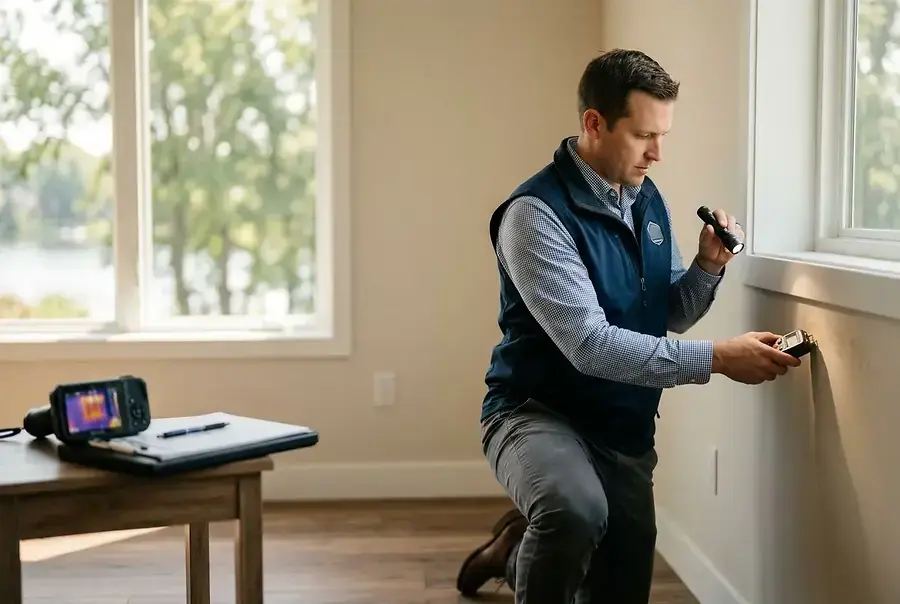
Understanding the Home Inspection Process in Lakeville
A home inspection is one of the most critical steps in the home-buying process. This comprehensive evaluation examines the structural integrity, mechanical systems, and overall condition of a property. In Lakeville, professional inspectors typically spend 2-4 hours thoroughly examining every aspect of a home, from the foundation to the roof.
During a standard inspection, licensed professionals will evaluate:
- Structural components and foundation integrity
- Roofing materials and condition
- Electrical systems and safety compliance
- Plumbing and water systems
- HVAC systems and heating efficiency
- Insulation and ventilation
- Windows, doors, and exterior condition
As a Lakeville buyer, you have the right to be present during the inspection. This is highly recommended, as it allows you to ask questions and understand potential issues firsthand. Most inspectors will walk you through their findings and explain what they've discovered.
Why Lakeville Properties Require Special Attention
Lakeville's climate and local building practices mean certain issues are more common than in other regions. The freeze-thaw cycles can affect foundations and exterior materials, while humidity levels may impact wood structures and basements. Understanding these regional factors helps you prepare for what inspectors will prioritize.
Common Issues Found in Lakeville Residential Properties
Knowing what problems frequently appear in Lakeville homes can help you ask the right questions and understand inspection reports more effectively.
Foundation and Basement Concerns
Water intrusion is one of the most common issues in Lakeville basements. Cracks in foundations, poor drainage, and inadequate sump pump systems can lead to costly repairs if not addressed. Inspectors will look for signs of moisture, efflorescence (white mineral deposits), and structural cracks that indicate movement or settling.
Roofing and Weather-Related Damage
The local climate takes a toll on roofing materials. Inspectors examine shingles for curling, missing granules, and proper ventilation. They'll also assess flashing around chimneys and vents, as improper installation here is a leading cause of leaks.
Aging Systems and Outdated Components
Many Lakeville homes feature older electrical systems, plumbing, and HVAC units. Knob-and-tube wiring, galvanized pipes, and aging furnaces are red flags that may require upgrades. Inspectors will note the age and condition of these systems, helping you budget for future replacements.
Insulation and Energy Efficiency
Proper insulation is crucial in Lakeville's climate. Inspectors will evaluate attic insulation levels, wall cavities, and basement insulation to identify energy efficiency concerns. Inadequate insulation can lead to higher utility bills and comfort issues.
How to Interpret Your Inspection Report and Negotiate Repairs
Once the inspection is complete, you'll receive a detailed report. Understanding how to read and use this document is essential for protecting your investment.
Decoding the Report
Inspection reports typically categorize findings into three levels:
- Safety Issues: Problems that pose immediate danger or code violations
- Major Repairs: Significant issues affecting home systems or structure
- Minor Issues: Cosmetic problems or maintenance recommendations
Pay special attention to safety issues and major repairs. These should be your primary negotiation points. Minor issues may be acceptable, depending on your budget and the home's overall condition.
Negotiation Strategies
You have several options when inspection issues arise:
- Request repairs: Ask the seller to fix critical issues before closing
- Request credits: Negotiate a price reduction to cover repair costs yourself
- Request inspections: Hire specialists for major systems like electrical or HVAC
- Walk away: If issues are too extensive, you may terminate the purchase
The key is to remain professional and data-driven in negotiations. Use the inspector's findings as objective evidence, not emotional arguments. Sellers are more likely to respond positively when you present specific, documented issues with repair estimates.
Getting Second Opinions
For major issues, consider hiring specialists. A licensed electrician, plumber, or structural engineer can provide detailed assessments and repair estimates. This information strengthens your negotiating position and gives you confidence in your decisions.
Closing Strong: Using Inspection Findings to Your Advantage
The inspection process doesn't end with the report. Strategic use of these findings can protect your investment and ensure a smooth closing.
Create a Repair Priority List
Not all issues require immediate attention. Prioritize repairs based on safety, functionality, and cost. Safety issues and major system failures should be addressed before closing. Cosmetic issues and minor maintenance can often wait until after you own the home.
Budget for Future Maintenance
Use the inspection report to plan your maintenance budget. If the inspector notes that a roof has 5-10 years of life remaining or an HVAC system is aging, budget for these replacements. This proactive approach prevents surprises and keeps your home in excellent condition.
Request a Final Walk-Through
Before closing, conduct a final walk-through to verify that agreed-upon repairs have been completed satisfactorily. Confirm that the home is in the condition you expected. This is your last opportunity to address any concerns before signing final documents.
Maintain Inspection Documentation
Keep your inspection report and all related documents in a safe place.
These records are valuable for future reference, warranty claims, and when you eventually sell the property.They document the home's condition at the time of purchase and can protect you in disputes.
By understanding the home inspection process, recognizing common Lakeville issues, and strategically using inspection findings, you can make informed decisions and protect your real estate investment. A thorough inspection is not just a formality—it's your safeguard against costly surprises and your pathway to confident homeownership.