The Complete Property Operations and Oversight Checklist for Lakewood, Ohio
Discover how strategic commercial property management and operational oversight protect long-term real estate value in Lakewood, Ohio.

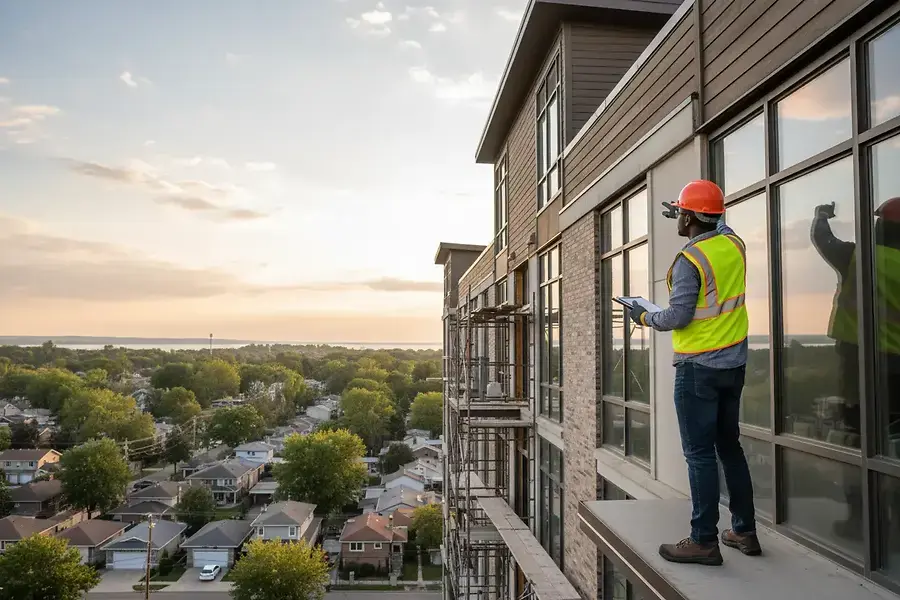
Why Operational Oversight Is Critical for Lakewood Property Stakeholders
Managing commercial and condominium properties represents one of the most significant operational and financial responsibilities in real estate. In Lakewood, Ohio—where buildings vary widely in age, construction standards, and maintenance history—structured operational oversight is essential. Proactive management provides clarity into building conditions, life-safety systems, and capital needs before financial or governance decisions are made.
Effective oversight protects property value by ensuring issues are identified early, documented properly, and addressed through coordinated maintenance and repair planning. From water intrusion and aging infrastructure to mechanical system performance, operational reviews guide budgeting, vendor coordination, and long-term asset management. In Lakewood’s climate, where freeze-thaw cycles and seasonal weather accelerate wear, consistent scheduling, documentation, and recordkeeping play a vital role in sustaining building performance and protecting association finances.
Essential Areas to Oversee and Common Red Flags to Identify
Structural Components and Foundation
The foundation is the backbone of any residential or commercial building and a core focus of operational oversight. In condominium and multifamily environments, structural conditions are routinely monitored to assess basements, crawl spaces, and load-bearing elements for signs of stress, moisture, or settlement. In Lakewood, where many properties are older, foundation conditions require careful documentation and long-term tracking. Key issues to monitor include:
- Horizontal or diagonal cracking in foundation walls
- Water staining or evidence of recurring moisture
- Bowing or leaning structural walls
- Gaps between foundation elements and framing
Roofing and Exterior
The roof and exterior envelope protect all interior systems and common elements. Ongoing oversight focuses on roof performance, drainage effectiveness, exterior materials, and weather resistance. Lakewood’s weather patterns require attention to durability, preventative maintenance, and long-term planning, including:
- Damaged, missing, or deteriorated roofing materials
- Roof age and remaining service life
- Ventilation and attic performance
- Gutter effectiveness and downspout placement
- Exterior siding wear or deterioration
Plumbing Systems
Water-related failures can significantly impact operations, budgets, and resident satisfaction. Plumbing systems are closely monitored to assess performance, materials, and risk exposure. Common concerns in Lakewood properties include:
- Outdated piping materials such as galvanized lines
- Recurring drainage issues or slow flow
- Water heater age and operational reliability
- Leaks beneath fixtures or within common areas
- Poor grading that allows water to collect near foundations
Electrical Systems
Life-safety and reliability make electrical systems a top operational priority. Electrical infrastructure is evaluated to support safe building operations and regulatory compliance. Common red flags include:
- Obsolete electrical panels
- Insufficient capacity for modern usage demands
- Exposed or improperly installed wiring
- Missing safety protections in wet or shared spaces
- Aluminum wiring in older buildings
HVAC and Ventilation
Heating, cooling, and ventilation systems directly affect comfort, air quality, and operating costs. Oversight focuses on system performance, maintenance history, and long-term replacement planning. Areas of review include:
- Equipment age and expected service life
- Maintenance documentation
- Carbon monoxide safety measures
- Ductwork condition and efficiency
- Insulation levels in attics and walls
Interior Conditions
Beyond major systems, interior and common-area conditions are continuously reviewed to support maintenance planning, documentation, and communication with boards and residents. Common issues include:
- Water staining or mold indicators
- Damaged drywall or finishes
- Window and door performance
- Signs of pest activity
- Adequate ventilation in kitchens and bathrooms
How to Review Property Conditions and Plan Next Steps
Understanding Operational Documentation
Property documentation—including maintenance records, condition reports, and vendor histories—provides essential insight into building performance and risk exposure. These materials are reviewed to support informed decision-making, accurate recordkeeping, and effective communication with boards, residents, staff, and service providers.
Prioritizing Needs
Not all property issues require immediate action. Items are evaluated and organized to support maintenance planning, budgeting, and long-term capital strategy. Common priority levels include:
- Critical: Life-safety or operational risks requiring prompt action
- Major: Significant repairs that should be planned and budgeted within the near to mid-term
- Minor: Routine maintenance or cosmetic items addressed through ongoing upkeep
Coordinating Maintenance and Financial Planning
Identified needs guide the coordination of maintenance and repair efforts with qualified vendors and contractors. Cost estimates, timelines, and scopes of work are reviewed to support reserve planning, fee administration, and responsible financial oversight, ensuring resources are allocated efficiently and transparently.
Engaging Specialized Professionals
When complex or high-risk issues arise, specialized professionals such as engineers or system experts may be engaged to provide deeper analysis. These evaluations support informed board decisions, refine repair strategies, and strengthen long-term asset protection.
Using Operational Insights to Guide Informed Property Decisions
A structured property management approach transforms operational data into actionable insight. By reviewing conditions at a management level, property information supports strategic planning related to maintenance priorities, capital improvements, budgeting, and long-term asset performance. These insights help evaluate the true cost of ownership, including both immediate needs and ongoing operational responsibilities.
In Lakewood’s competitive real estate environment, properties with consistent maintenance histories and proactive management tend to retain greater stability and value. Conversely, deferred maintenance and system deficiencies highlight opportunities to improve performance, refine vendor strategies, and adjust financial planning. Clear documentation and operational awareness are essential tools for understanding true property condition and long-term value.
Ultimately, effective property management is about clarity, accountability, and foresight. By applying structured operational oversight and understanding key building performance indicators, property leaders protect association investments, strengthen governance, and support confident decisions that sustain building performance and financial health for years to come.