The Complete Home Inspection Checklist for Las Vegas Valley Buyers
Learn what to look for during home inspections in Henderson, Summerlin, and Las Vegas to protect your investment.

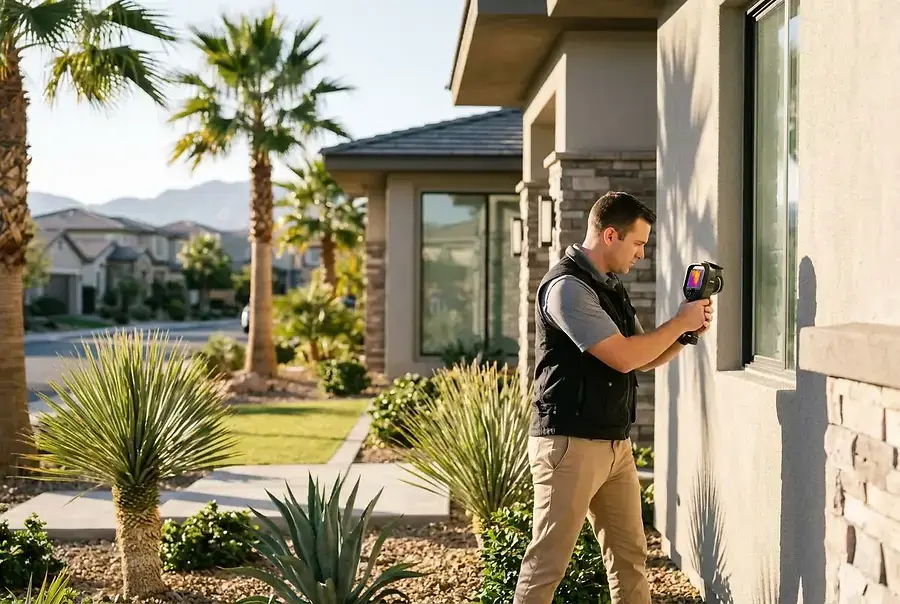
Why Home Inspections Matter in the Las Vegas Market
Purchasing a home is one of the most significant investments you'll make in your lifetime. In the Las Vegas Valley, where properties face unique environmental challenges, a thorough home inspection is not just recommended—it's essential. Whether you're buying in Henderson, Summerlin, or Las Vegas proper, understanding what to look for during an inspection can save you thousands of dollars in unexpected repairs and protect your investment for years to come.
A professional home inspection provides an objective assessment of a property's condition, identifying potential issues before you commit to the purchase. This knowledge empowers you to negotiate repairs, request credits, or make informed decisions about whether to proceed with the sale.
Key Areas to Inspect in Desert Climate Homes
Roof and Exterior Surfaces
The intense desert sun and occasional monsoon storms make your roof one of the most critical components to inspect. Look for:
- Cracked, curled, or missing shingles
- Signs of water damage or leaks in the attic
- Deteriorated flashing around vents and chimneys
- Proper ventilation to prevent heat buildup
The desert's extreme UV exposure can age roofing materials faster than in other climates, so pay special attention to the roof's overall condition and remaining lifespan.
HVAC Systems
Air conditioning isn't a luxury in Las Vegas—it's a necessity. Your HVAC system works overtime in the desert heat. During inspection, verify:
- The age and condition of the air conditioning unit
- Proper refrigerant levels and no leaks
- Clean filters and ductwork
- Thermostat functionality and accuracy
- Adequate maintenance records
A failing AC system can cost $5,000 to $15,000 to replace, making this inspection area particularly important for your budget planning.
Plumbing and Water Systems
Las Vegas's hard water and mineral deposits create unique plumbing challenges. Inspect:
- Water pressure and flow rates throughout the home
- Signs of corrosion in copper pipes
- Water heater age, condition, and capacity
- Presence of water softeners or filtration systems
- Potential for mineral buildup in fixtures
Hard water can significantly impact appliance lifespan and plumbing efficiency, so understanding the water quality is crucial.
Foundation and Structural Integrity
Desert soil conditions can affect foundations differently than other regions. Look for:
- Cracks in the foundation or concrete slabs
- Uneven floors or doors that don't close properly
- Signs of settling or shifting
- Proper grading around the home to direct water away
Foundation issues can be expensive to repair, so this inspection area warrants careful attention.
Windows and Doors
The desert sun is relentless on windows and seals. Check for:
- Broken or damaged seals on double-pane windows
- Proper operation of all windows and doors
- Adequate weatherstripping and caulking
- UV damage to frames and hardware
Red Flags Specific to Henderson, Summerlin, and Las Vegas Properties
Henderson-Specific Concerns
Henderson's rapid growth means many homes are relatively newer, but older properties may show:
- Outdated electrical systems in homes built in earlier decades
- Pool and spa equipment wear from constant use
- Landscape irrigation system failures
Summerlin Considerations
Summerlin's master-planned community features often include:
- HOA-maintained common areas that may impact property values
- Specialized architectural elements requiring specific repairs
- Luxury finishes that demand professional maintenance
Verify that all HOA fees are current and understand what services they cover.
Las Vegas Valley-Wide Red Flags
Pest and Termite Damage: Desert pests are persistent. Look for evidence of termites, carpenter ants, or other wood-damaging insects.
Radon Testing: While less common than in other regions, radon can still be present in Las Vegas homes. Request radon testing as part of your inspection.
Previous Flood Damage: Even in the desert, flash flooding can occur. Ask about any history of water intrusion or flooding.
Electrical System Age: Older homes may have outdated wiring that doesn't meet current safety standards or support modern electrical demands.
Taking Action: Next Steps After Your Inspection Report
Review the Report Thoroughly
Don't just skim the inspection report. Read every page carefully and ask your inspector to explain any findings you don't understand. Request clarification on severity levels and estimated repair costs.
Prioritize Issues by Severity
Categorize findings into three groups:
- Critical: Safety hazards or major system failures requiring immediate attention
- Important: Issues that should be addressed soon to prevent further damage
- Minor: Cosmetic or low-priority items
Get Repair Estimates
For significant issues, obtain quotes from licensed contractors. This information strengthens your negotiating position with the seller.
Negotiate or Walk Away
Use the inspection report to negotiate repairs, request credits, or request price reductions. If critical issues exist and the seller won't address them, you have the right to walk away—that's what the inspection contingency is for.
Plan for Future Maintenance
Even if the inspection reveals no major issues, use it as a baseline for future maintenance planning. Schedule regular HVAC servicing, roof inspections, and plumbing checks to prevent problems before they start.
A thorough home inspection is your best defense against costly surprises. In the Las Vegas Valley's unique climate, it's an investment that pays for itself many times over.
By following this comprehensive checklist and taking action on the inspection findings, you'll protect your investment and ensure your new Las Vegas Valley home is safe, sound, and ready for years of enjoyment.


