The Complete Home Inspection Checklist for Leander Home Buyers
Discover what to look for during a home inspection to avoid costly surprises and make an informed purchase decision.

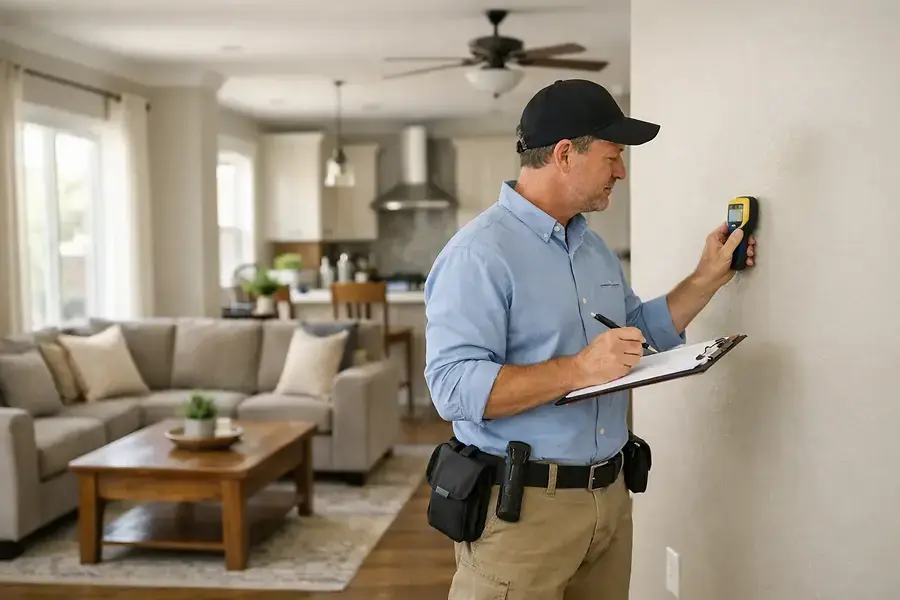
Introduction: Why Home Inspections Matter in Leander's Real Estate Market
Purchasing a home is one of the most significant financial decisions you'll make in your lifetime. In Leander's competitive real estate market, a thorough home inspection can be the difference between finding your dream home and inheriting a money pit. A professional home inspection provides an objective assessment of a property's condition, revealing hidden issues that could cost thousands of dollars to repair.
Many first-time homebuyers underestimate the importance of inspections, viewing them as an unnecessary expense. However, skipping this crucial step can lead to discovering major problems after closing—when you're legally responsible for repairs. This guide will help you understand what to look for during a home inspection and how to use those findings to make a confident, informed purchase decision.
Key Areas to Inspect: Structural, Systems, and Safety Concerns
Structural Integrity
The foundation is the backbone of any home. During your inspection, look for:
- Foundation cracks – Small hairline cracks are normal, but large or widening cracks indicate serious problems
- Water damage and moisture – Signs of water intrusion in basements or crawl spaces
- Uneven floors – Walking through the home, notice if floors slope or feel unstable
- Exterior wall condition – Check for bowing, leaning, or separation from the foundation
Leander's clay soil can shift seasonally, making foundation issues more common in the area. Have your inspector pay special attention to this critical component.
Roof and Exterior
The roof protects everything beneath it. Inspect for:
- Shingle condition – Missing, curled, or deteriorating shingles indicate age and wear
- Flashing integrity – Damaged flashing around chimneys and vents allows water to enter
- Gutters and downspouts – Ensure proper drainage away from the foundation
- Siding and trim – Look for rot, damage, or pest entry points
Electrical and Plumbing Systems
These systems are vital to daily living. Your inspector should verify:
- Electrical panel – Check for proper grounding, adequate capacity, and safety switches
- Water pressure and flow – Test all fixtures to ensure adequate water supply
- Pipe material and condition – Older homes may have outdated or corroded pipes
- Septic or sewer connection – Verify proper functioning and maintenance history
HVAC Systems
Heating and cooling systems are expensive to replace. Evaluate:
- Age and maintenance records – Systems typically last 15-20 years
- Proper airflow – Test all vents and returns throughout the home
- Thermostat functionality – Ensure accurate temperature control
- Ductwork condition – Look for leaks or disconnected sections
Safety Concerns
Don't overlook critical safety issues:
- Carbon monoxide detectors – Should be present and functional
- Smoke detectors – Required in bedrooms and common areas
- Radon levels – Texas homes should be tested for this odorless gas
- Asbestos and lead paint – Common in older homes and pose health risks
Red Flags and How to Respond to Inspection Findings
Major Red Flags That Require Attention
Foundation problems are the most serious issue you can encounter. Repairs can cost $10,000 to $50,000 or more. If your inspector identifies significant foundation damage, consider walking away or demanding substantial price reductions.
Roof damage requiring replacement is another major expense. A new roof can cost $8,000 to $15,000 depending on size and materials. Request a roof inspection report and use this to negotiate repairs or credits.
Outdated electrical systems pose fire hazards and may not support modern appliances. Rewiring a home is expensive and disruptive. This is a legitimate reason to renegotiate terms.
Plumbing issues like corroded pipes or failed septic systems require immediate attention. Get quotes for repairs and factor these into your offer.
How to Respond to Findings
Once you receive the inspection report, you have several options:
- Request repairs – Ask the seller to fix issues before closing
- Negotiate a price reduction – Reduce your offer to account for repair costs
- Request a credit at closing – Receive funds to make repairs yourself
- Walk away – If issues are too severe, it's acceptable to terminate the purchase
Work with your real estate agent and inspector to prioritize issues. Minor cosmetic problems shouldn't derail a purchase, but structural or safety concerns warrant serious negotiation.
Minor Issues to Overlook
Not every finding requires action. Cosmetic issues like paint touch-ups, worn cabinet hardware, or outdated fixtures are inexpensive to fix and shouldn't be deal-breakers. Focus your negotiation efforts on items that affect safety, functionality, or structural integrity.
Conclusion: Using Inspection Results to Negotiate and Protect Your Investment
A home inspection is your opportunity to make an informed decision about one of life's biggest purchases. By understanding what to look for and how to interpret findings, you empower yourself to negotiate confidently and protect your investment.
Remember that no home is perfect. Every property has some issues—the goal is identifying which ones matter and which ones you can live with. Use the inspection report as a negotiation tool, not a reason to panic. Work closely with your inspector, real estate agent, and potentially a contractor to understand the true cost of any repairs.
In Leander's growing real estate market, taking time for a thorough inspection demonstrates due diligence and protects you from costly surprises down the road. Whether you're a first-time buyer or an experienced investor, a comprehensive home inspection is the smartest investment you can make before closing on your new home.


