The Complete Home Inspection Checklist for Milwaukee Homebuyers
Learn what professional inspectors look for and how to protect your investment when buying residential property in Milwaukee.

Why Home Inspections Matter for Milwaukee Buyers
Purchasing a home is one of the most significant financial decisions you'll make in your lifetime. For Milwaukee homebuyers, a professional home inspection is not just a recommendation—it's a critical step in protecting your investment. A thorough inspection can uncover hidden problems that might cost thousands of dollars to repair, giving you the knowledge needed to make an informed decision about your purchase.
Milwaukee's unique climate and aging housing stock make inspections particularly important. Many homes in the area were built decades ago and may have issues related to harsh winters, moisture, and aging infrastructure. By understanding what inspectors look for, you can ask the right questions and negotiate repairs or price adjustments before closing the deal.
Key Areas to Evaluate During Your Home Inspection
Roof and Exterior
The roof is your home's first line of defense against Milwaukee's unpredictable weather. Inspectors examine shingles for damage, check for proper ventilation, and assess the overall condition. They also evaluate gutters, downspouts, siding, windows, and doors to ensure they're weathertight and functioning properly.
Foundation and Basement
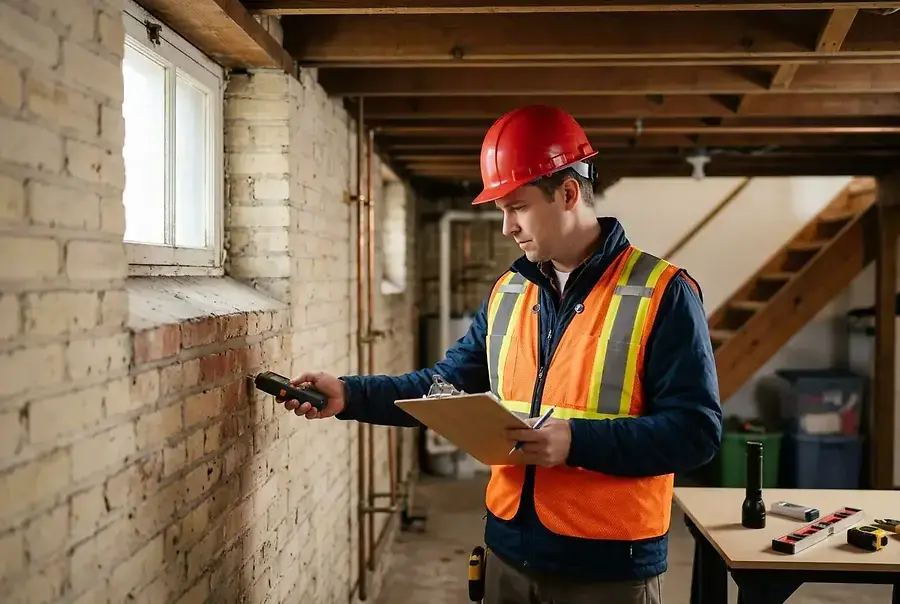
Wisconsin's freeze-thaw cycles can be tough on foundations. Inspectors look for cracks, water intrusion, and signs of settling. They'll check basement walls, floors, and drainage systems to identify potential moisture problems—a common issue in Milwaukee homes.
Plumbing Systems
A comprehensive inspection includes checking water pressure, drainage, and the condition of pipes. Inspectors test fixtures throughout the home and look for signs of leaks, corrosion, or outdated materials that may need replacement.
Electrical Systems
Safety is paramount. Inspectors verify that the electrical panel is properly grounded, check for outdated wiring, and ensure outlets and switches are functioning correctly. They'll also assess whether the home's electrical capacity meets modern demands.
HVAC Systems
Heating is essential in Milwaukee winters. Inspectors evaluate furnaces, air conditioning units, and ductwork to ensure they're operating efficiently. They check for proper maintenance and identify any systems nearing the end of their lifespan.
Insulation and Ventilation
Energy efficiency matters in Wisconsin's cold climate. Inspectors assess insulation levels in attics, walls, and crawl spaces, and verify that ventilation systems are adequate to prevent moisture buildup and mold growth.
Common Issues Found in Milwaukee Homes and How to Address Them
Water Damage and Moisture Problems
Due to Milwaukee's location near Lake Michigan and heavy seasonal precipitation, water intrusion is one of the most common issues found during inspections. Common problem areas include:
- Basement flooding or seepage
- Roof leaks
- Damaged window seals
- Poor grading around the foundation
Solution: Address drainage issues immediately by installing sump pumps, improving grading, or sealing cracks. These preventative measures can save thousands in future repairs.
Aging Roofs
Many Milwaukee homes have roofs that have exceeded their expected lifespan. Harsh winters and temperature fluctuations accelerate deterioration. If your inspection reveals a roof nearing the end of its life, budget for replacement within the next few years.
Outdated Electrical Systems
Older homes may have aluminum wiring or insufficient electrical capacity. These issues pose safety risks and may require upgrades to meet current codes. Discuss findings with a licensed electrician to understand the scope and cost of necessary work.
Plumbing Concerns
Galvanized pipes, cast iron drains, and outdated fixtures are common in Milwaukee's older homes. While not always urgent, plan for gradual replacement to avoid future failures and water damage.
Inadequate Insulation
Many homes lack sufficient insulation for Wisconsin's climate. Upgrading insulation in the attic and walls can significantly reduce heating costs and improve comfort during cold months.
Mold and Moisture-Related Issues
The combination of moisture and older construction can create ideal conditions for mold growth. If mold is detected:
- Identify and fix the moisture source first
- Have affected areas professionally remediated
- Improve ventilation to prevent recurrence
Making an Informed Decision with Professional Guidance
A home inspection report provides detailed documentation of a property's condition, but it's just one tool in your decision-making process. Here's how to use inspection results effectively:
- Review the report carefully and ask your inspector to explain any concerns
- Prioritize issues by safety concerns, cost of repairs, and urgency
- Get repair estimates from licensed contractors for significant issues
- Negotiate with the seller for repairs, credits, or price reductions
- Plan your budget for repairs and maintenance after purchase
Remember that no home is perfect. The goal of an inspection is to understand what you're buying and make decisions based on accurate information.
A professional home inspection is an investment in peace of mind and financial protection.
Working with a qualified home inspector who understands Milwaukee's unique housing challenges is invaluable. They can provide context about common issues in the area and help you understand which problems require immediate attention and which can be addressed over time.
By taking the time to conduct a thorough inspection and carefully reviewing the results, you're taking a crucial step toward becoming a confident, informed homeowner in Milwaukee. Don't rush this process—your future self will thank you for the diligence you invest today.