The Complete Home Inspection Checklist for Minneapolis Buyers
Learn what professional inspectors examine and how to use inspection findings to negotiate better terms on your Minneapolis home purchase.

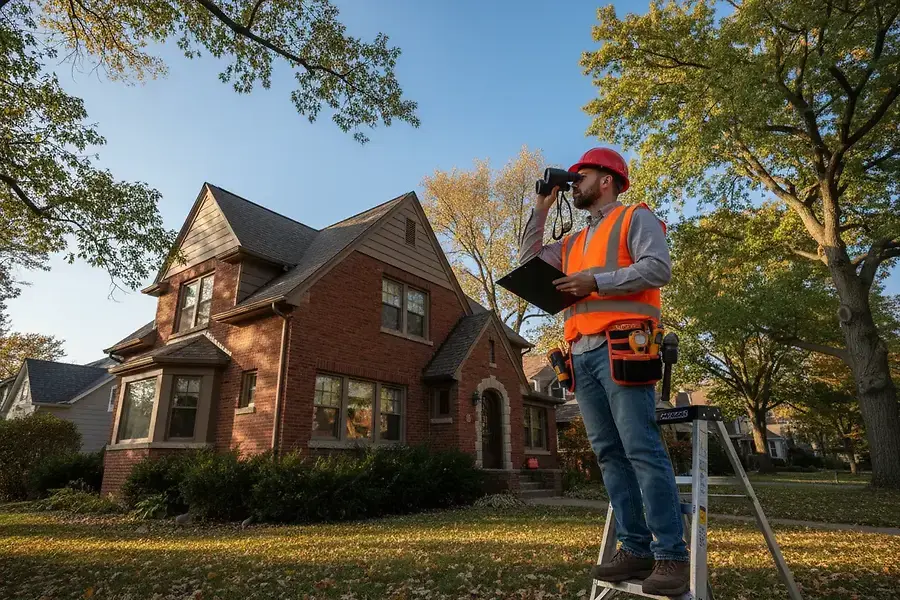
Understanding the Minneapolis Home Inspection Process
A home inspection is one of the most critical steps in the home buying process. In Minneapolis, where homes range from historic Victorian properties to modern constructions, a thorough inspection can reveal hidden issues that could cost thousands of dollars in repairs. A professional home inspector will spend 2-4 hours examining your potential property, checking everything from the foundation to the roof.
During the inspection, the inspector will evaluate the structural integrity, mechanical systems, electrical systems, plumbing, and overall condition of the property. They'll provide you with a detailed report that documents their findings, including photographs and recommendations for repairs or further evaluation by specialists.
What Gets Inspected
Professional inspectors in Minneapolis follow a standardized checklist that includes:
- Foundation and Structure: Checking for cracks, settling, and water damage
- Roof and Gutters: Assessing age, condition, and potential leaks
- HVAC Systems: Testing heating and cooling functionality
- Plumbing: Checking for leaks, water pressure, and drainage issues
- Electrical Systems: Verifying safety and proper grounding
- Windows and Doors: Testing operation and checking for air leaks
- Insulation and Ventilation: Ensuring adequate energy efficiency
- Appliances: Testing included appliances for proper function
Common Issues Found in Minneapolis Homes and How to Address Them
Minneapolis homes face unique challenges due to the region's climate and age of many properties. Understanding these common issues can help you prepare for negotiations.
Freeze-Thaw Damage and Foundation Issues
The Minnesota freeze-thaw cycle is particularly harsh on home foundations. Water seeps into cracks, freezes, expands, and causes further damage. If your inspection reveals foundation cracks, request a structural engineer's evaluation. Minor cracks may be cosmetic, while larger ones could indicate serious problems requiring professional repair.
Roof and Water Damage
Minneapolis winters are brutal on roofs. Many homes show signs of ice damming, missing shingles, or deteriorated flashing. A roof replacement can cost $8,000-$15,000, so this is a major negotiation point. Ask the inspector about the roof's remaining lifespan and whether repairs or replacement are needed.
Plumbing and Water Issues
Older Minneapolis homes often have galvanized pipes that corrode over time, reducing water pressure and quality. Some homes may have outdated sump pump systems or inadequate drainage. These issues require professional assessment and can be expensive to remedy.
Electrical System Updates
Homes built before the 1980s may have outdated electrical panels or insufficient capacity for modern appliances. Knob-and-tube wiring, while charming in historic homes, poses fire hazards and should be replaced. Budget $3,000-$8,000 for electrical upgrades if needed.
Red Flags to Watch For During Your Inspection
While your inspector will identify issues, knowing what to look for yourself can help you ask better questions and understand the severity of problems.
Major Red Flags
- Visible mold or water stains: Indicates moisture problems that could lead to structural damage
- Sagging ceilings or floors: Suggests structural issues or water damage
- Outdated electrical panels: May need replacement for safety and functionality
- Signs of pest infestation: Termites, carpenter ants, or rodents can cause extensive damage
- Cracks in the foundation: Especially horizontal cracks, which indicate serious structural problems
- Deteriorated chimney: Can be a fire hazard and expensive to repair
Minor Issues Worth Noting
Not every finding is a deal-breaker. Minor issues like worn caulking, small roof repairs, or cosmetic damage can often be negotiated into the purchase price or handled by the buyer after closing. Prioritize major structural and safety issues over cosmetic concerns.
"The inspection report is your roadmap to negotiation. Use it strategically to identify issues that affect safety, functionality, and long-term value."
Next Steps: Using Inspection Results in Your Offer Strategy
Once you receive the inspection report, you have several options for moving forward with your Minneapolis home purchase.
Request Repairs
You can ask the seller to repair significant issues before closing. This is most effective for major problems like roof replacement or foundation repair. Get written estimates from contractors to support your requests.
Request Credits
Alternatively, ask the seller for a credit toward closing costs to cover repairs you'll handle yourself. This gives you control over the work and contractors used.
Renegotiate the Price
If inspection findings are substantial, you may request a price reduction to account for repair costs. This is common in Minneapolis when major systems need replacement.
Walk Away
If the inspection reveals deal-breaking issues that the seller won't address, you have the right to walk away. This is why the inspection contingency in your offer is so important. Make sure your offer includes a reasonable inspection contingency period, typically 7-10 days.
Final Recommendations
Before making your final decision, consider hiring specialists for any major concerns. A structural engineer, electrician, or plumber can provide detailed assessments that help you understand repair costs and urgency. Use this information to make an informed decision about your Minneapolis home purchase.
Remember, a thorough home inspection protects your investment and gives you the information needed to negotiate confidently. Don't skip this crucial step in your home buying journey.


