The Complete Home Inspection Checklist for Minneapolis Home Buyers
Learn what to look for during a home inspection to avoid costly surprises and make confident purchasing decisions.

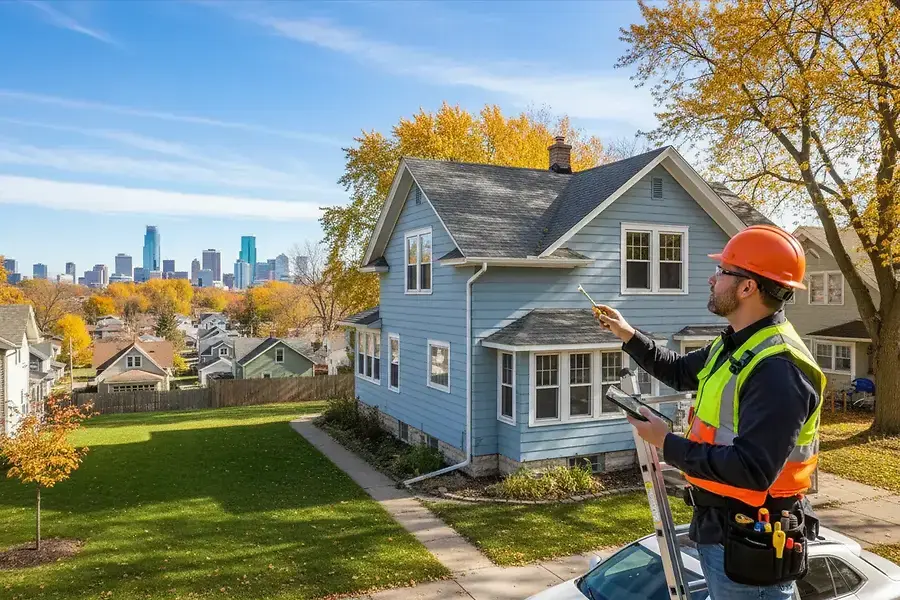
Understanding the Home Inspection Process in Minnesota
A home inspection is one of the most critical steps in the home-buying process, especially in Minneapolis where climate conditions and older housing stock present unique challenges. This professional evaluation typically takes 2-3 hours and involves a thorough examination of the property's structural, mechanical, and electrical systems.
In Minnesota, home inspectors are not required to be licensed, but most reputable inspectors hold certifications from organizations like the American Society of Home Inspectors (ASHI). When hiring an inspector, verify their credentials, insurance, and experience with Minneapolis-area homes. A qualified inspector will provide a detailed written report documenting their findings within 24-48 hours of the inspection.
As a buyer, you have the right to be present during the inspection. This is an excellent opportunity to ask questions and understand the property's condition firsthand. Take notes on areas of concern and ask the inspector to explain any issues in detail.
Key Areas Inspectors Evaluate in Minneapolis Homes
Roof and Exterior
Minneapolis winters are harsh, making the roof one of the most critical components. Inspectors examine shingles for damage, missing pieces, and signs of aging. They also check gutters, downspouts, and flashing for proper drainage. The exterior walls, windows, and doors are evaluated for water damage, rot, and weatherproofing issues.
Foundation and Basement
Given Minnesota's freeze-thaw cycles, foundation problems are common. Inspectors look for cracks, water intrusion, and signs of settling. Basement walls are checked for moisture, efflorescence (white mineral deposits), and structural integrity. Proper grading and sump pump functionality are essential in this region.
Heating and Cooling Systems
The furnace is critical in Minneapolis. Inspectors evaluate the age, condition, and efficiency of heating systems. They check for proper ventilation, carbon monoxide safety, and whether the system is appropriately sized for the home. Air conditioning units and ductwork are also assessed.
Plumbing and Water Systems
Inspectors test water pressure, check for leaks, and examine pipes for corrosion or damage. In older Minneapolis homes, galvanized pipes may need replacement. Water heater age, condition, and capacity are documented. Sewer line integrity is also evaluated when possible.
Electrical System
The electrical panel is inspected for proper grounding, adequate capacity, and safety concerns. Inspectors check outlets, switches, and wiring throughout the home. Outdated systems or knob-and-tube wiring in older homes are significant red flags requiring professional evaluation.
Interior Components
Walls, ceilings, and floors are examined for damage, water stains, and structural issues. Doors and windows are tested for operation. Attic ventilation and insulation are assessed, particularly important in Minnesota's climate. Kitchen and bathroom fixtures are evaluated for functionality.
Red Flags and How to Respond to Inspection Findings
Major Structural Issues
Foundation cracks, severe settling, or bowing walls are serious concerns that require professional structural engineer evaluation. These issues can be costly to repair and may indicate deeper problems. Request a detailed estimate from a licensed engineer before proceeding.
Water Damage and Moisture Problems
Signs of water intrusion, mold, or persistent moisture are major red flags. These issues can lead to expensive remediation and health concerns. Ask for documentation of any previous water damage and request a moisture assessment from a specialist.
Outdated or Failing Systems
Old furnaces, electrical panels, or plumbing may need replacement soon. Request repair or replacement estimates from licensed contractors. Factor these costs into your negotiation strategy.
Pest Infestation
Evidence of termites, carpenter ants, or rodents requires professional pest control evaluation. These infestations can cause structural damage and should be addressed immediately.
How to Respond
Upon receiving the inspection report, review it carefully with your real estate agent. Prioritize issues by severity and cost. For minor issues, you may choose to accept them or request repairs. For major problems, you have three options:
- Request repairs: Ask the seller to fix issues before closing
- Request credits: Negotiate a price reduction to cover repair costs
- Walk away: Use inspection findings as justification to terminate the purchase agreement
Always obtain written estimates from licensed contractors for significant repairs. This documentation strengthens your negotiating position.
Using Inspection Results to Negotiate and Protect Your Investment
Strategic Negotiation
The inspection report is a powerful negotiating tool. Use specific findings to justify your requests. Rather than asking for vague repairs, provide detailed contractor estimates. This demonstrates that your requests are reasonable and based on professional assessment.
Prioritize your concerns. If the roof needs replacement in five years but the furnace needs immediate attention, focus negotiations on the furnace. Be prepared to compromise on minor issues to secure concessions on major ones.
Protecting Your Investment
Don't skip the inspection to save money. The typical cost of $300-500 is minimal compared to potential repair expenses. Request a comprehensive inspection that includes the attic, crawl spaces, and all accessible areas.
Consider specialized inspections for older homes or properties with known issues. Radon testing, mold assessment, and termite inspections provide additional protection. In Minneapolis, radon testing is particularly important due to soil composition.
Post-Purchase Considerations
After closing, maintain detailed records of all repairs and maintenance. Address issues identified in the inspection promptly to prevent further damage. Schedule regular maintenance for major systems like the furnace and water heater.
A thorough home inspection is your best defense against costly surprises. Take the process seriously, ask questions, and use the findings to make informed decisions about your Minneapolis home purchase.
By understanding what inspectors evaluate and how to respond to their findings, you can confidently navigate the home-buying process and protect your investment for years to come.


