The Complete Home Inspection Checklist for Minneapolis Homebuyers
Learn what to look for during inspections and how to protect your investment in Minnesota's variable climate.

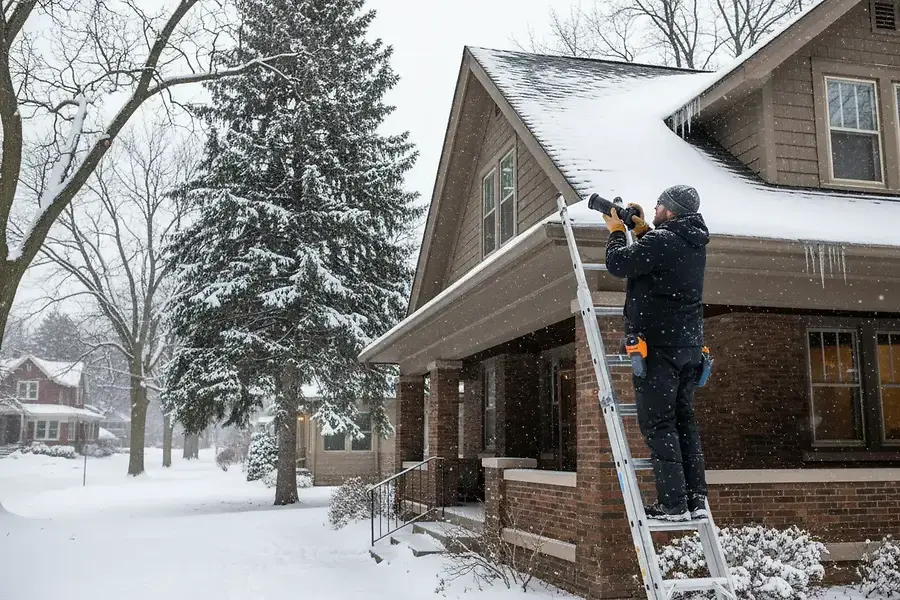
Why Home Inspections Matter in Minneapolis
Purchasing a home is one of the most significant investments you'll make in your lifetime. In Minneapolis, where winters are harsh and seasonal changes are dramatic, a thorough home inspection becomes even more critical. A professional home inspection can reveal hidden problems that could cost thousands of dollars to repair after closing.
Home inspections protect you by identifying structural issues, safety hazards, and maintenance concerns before you commit to the purchase. In Minnesota's climate, where freeze-thaw cycles and heavy snow loads are common, certain vulnerabilities are more likely to develop. By understanding what inspectors look for, you can make informed decisions and negotiate repairs or price adjustments with confidence.
Climate-Specific Issues: Foundation, Roofing, and Seasonal Concerns
Foundation and Basement Problems
Minneapolis homes are particularly susceptible to foundation issues due to the region's freeze-thaw cycles. Water infiltration is one of the most common problems homebuyers encounter. During your inspection, pay close attention to:
- Cracks in the foundation – Both horizontal and vertical cracks should be evaluated by the inspector
- Water stains and efflorescence – White mineral deposits indicate past or present moisture problems
- Basement dampness – Check for musty odors and visible moisture on walls or floors
- Sump pump functionality – Ensure it's working properly and has a battery backup
- Drainage systems – Verify gutters, downspouts, and grading direct water away from the foundation
Roofing and Snow Load Capacity
Minnesota winters bring heavy snow and ice, making roof condition critical. Your inspector should examine:
- Roof age and material – Asphalt shingles typically last 15-20 years in Minnesota's climate
- Signs of ice damming – Look for evidence of ice dams that can cause water damage
- Ventilation and insulation – Proper attic ventilation prevents ice dams and extends roof life
- Flashing and seals – Check around chimneys, vents, and skylights for leaks
- Structural support – Ensure the roof can handle Minnesota's snow loads
Windows, Doors, and Weather Sealing
Energy efficiency is crucial in Minneapolis homes. Inspect all windows and doors for:
- Broken seals and condensation between panes
- Proper weatherstripping and caulking
- Functionality of locks and hinges
- Signs of air leaks around frames
Heating Systems and Insulation
With Minnesota's long, cold winters, a reliable heating system is essential. Your inspector will evaluate furnace age, efficiency, and condition. Additionally, proper insulation in attics, walls, and crawl spaces is vital for energy efficiency and preventing ice dams.
The Inspection Process: What Buyers Should Expect and Ask
Before the Inspection
Schedule your inspection as soon as your offer is accepted. Most inspections take 2-4 hours depending on the home's size and age. Attend the inspection in person – this gives you the opportunity to ask questions and understand the inspector's findings firsthand.
During the Inspection
A thorough inspector will examine:
- Structural components and foundation
- Roof, gutters, and exterior
- Plumbing and water pressure
- Electrical systems and safety
- HVAC systems and ductwork
- Insulation and ventilation
- Interior walls, ceilings, and floors
- Appliances and fixtures
Take notes and photos of any concerns. Ask your inspector to explain findings in detail and discuss the severity and cost implications of any issues discovered.
Questions to Ask Your Inspector
Don't be shy about asking questions. Here are essential questions for Minneapolis homes:
- "What is the estimated remaining lifespan of the roof?"
- "Are there any signs of water damage or moisture problems?"
- "How efficient is the heating system, and what are typical operating costs?"
- "Are there any code violations or safety concerns?"
- "What maintenance issues should I prioritize in the next 1-2 years?"
- "Has this home experienced any flooding or water intrusion?"
- "Is the foundation stable, or are there concerns about settlement?"
After the Inspection
You'll receive a detailed inspection report, typically within 24 hours. Review it carefully and discuss findings with your real estate agent. If significant issues are discovered, you have options:
- Request repairs – Ask the seller to fix major issues before closing
- Request credits – Negotiate a price reduction to cover repair costs
- Walk away – If issues are severe and costly, you may choose to terminate the purchase
Consider Additional Inspections
For older Minneapolis homes or if concerns arise, consider specialized inspections:
- Radon testing – Minnesota has elevated radon levels in many areas
- Mold inspection – Particularly important if moisture issues are present
- Asbestos assessment – Relevant for homes built before the 1980s
- Chimney inspection – Essential if the home has a fireplace
Making Informed Decisions Before Closing
A home inspection is your opportunity to understand exactly what you're buying. In Minneapolis, where climate-related issues are common, this knowledge is invaluable. Don't skip the inspection to save money – the cost of an inspection (typically $300-500) is minimal compared to potential repair costs.
Use the inspection report as a negotiation tool. Armed with detailed information about the home's condition, you can make confident decisions about repairs, credits, or walking away if necessary.
Remember, no home is perfect, but understanding its condition allows you to budget for future maintenance and avoid costly surprises. By following this checklist and asking the right questions, you'll protect your investment and ensure you're making an informed decision about your Minneapolis home purchase.


