The Complete Home Inspection Checklist for Nanuet Buyers
Discover what professional inspectors look for and how to protect your investment with this comprehensive buyer's guide.

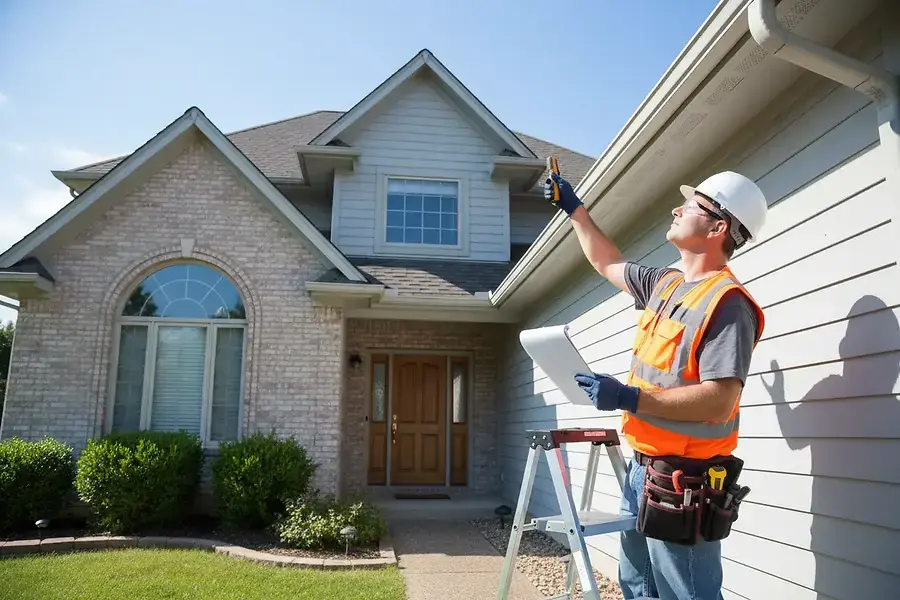
Understanding the Home Inspection Process
A home inspection is one of the most critical steps in the home buying process. This thorough evaluation of a property's condition helps you understand what you're actually purchasing and identifies potential issues before you commit to the sale. In Nanuet, where properties range from historic homes to modern developments, a professional inspection is essential.
During a typical home inspection, a certified inspector will spend 2-3 hours examining the property's structural components, systems, and overall condition. They'll provide a detailed report documenting their findings, which becomes valuable leverage in negotiations. Never skip this step—it's your opportunity to uncover hidden problems that could cost thousands in repairs.
What to Expect During the Inspection
Professional inspectors follow a systematic approach, examining both visible and accessible areas of the home. They'll check the foundation, roof, electrical systems, plumbing, HVAC, and more. You have the right to be present during the inspection, and it's highly recommended that you attend. This allows you to ask questions and understand the property's condition firsthand.
Critical Areas to Evaluate in Nanuet Properties
Foundation and Structural Integrity
The foundation is the backbone of any home. Inspectors will look for:
- Cracks in the foundation walls or basement floors
- Signs of water damage or moisture intrusion
- Settling or shifting of the structure
- Proper grading around the foundation
Nanuet's soil composition and climate can affect foundation stability, making this inspection particularly important in the area.
Roof and Exterior
The roof protects everything beneath it. Inspectors evaluate:
- Shingle condition and remaining lifespan
- Proper ventilation and insulation
- Gutters and downspout functionality
- Siding and exterior wall condition
- Windows and door seals
A roof replacement can cost $10,000-$25,000, so understanding its condition is crucial.
Plumbing Systems
Water damage is one of the most expensive problems to fix. Inspectors check:
- Water pressure and flow rates
- Pipe material and condition (galvanized, copper, PVC)
- Presence of leaks or water stains
- Septic system or municipal sewer connection
- Water heater age and functionality
Electrical Systems
Outdated or faulty electrical systems pose safety risks. Inspectors examine:
- Panel capacity and condition
- Presence of outdated wiring (knob-and-tube, aluminum)
- Proper grounding and bonding
- GFCI outlets in wet areas
- Overall safety compliance
HVAC and Climate Control
Heating and cooling systems are essential for comfort and safety. Inspectors assess:
- Furnace or boiler age and efficiency
- Air conditioning unit condition
- Ductwork integrity
- Thermostat functionality
- Maintenance records
Red Flags and Warning Signs to Watch For
Moisture and Water Damage
This is the most common and costly issue in homes. Look for water stains on ceilings, walls, or in basements. Musty odors, mold growth, or efflorescence (white powder on basement walls) all indicate moisture problems. These issues can lead to structural damage, mold health hazards, and expensive remediation.
Outdated Systems
Homes with original electrical panels, plumbing, or HVAC systems from decades ago may need significant upgrades. Knob-and-tube wiring and galvanized pipes are particularly concerning, as they're outdated and potentially dangerous. Budget for replacements if you encounter these.
Pest Damage
Termites, carpenter ants, and rodents can cause structural damage. Inspectors look for:
- Wood damage or hollow-sounding wood
- Droppings or pest evidence
- Mud tubes or tunnels
- Previous pest treatment records
Roof Issues
Missing shingles, sagging rooflines, or excessive moss growth indicate problems. If the roof is nearing the end of its lifespan, factor replacement costs into your offer.
Foundation Concerns
Significant cracks, bowing walls, or uneven floors suggest structural problems that require professional evaluation and can be very expensive to repair.
Using Inspection Results to Negotiate Better Deals
Request a Professional Repair Estimate
When issues are discovered, don't just accept the inspector's findings—get quotes from licensed contractors. Use these estimates as negotiation tools. If repairs will cost $5,000, ask the seller to either fix the issues or reduce the price accordingly.
Prioritize Your Concerns
Not every finding requires immediate action. Cosmetic issues are less critical than structural or safety problems. Focus your negotiations on items that affect the home's safety, longevity, and major systems.
Know When to Walk Away
If inspection results reveal extensive damage or multiple serious issues, it may be wise to reconsider the purchase. No home is perfect, but some problems are deal-breakers. Trust your inspector's expertise and your gut instinct.
Request Seller Repairs or Credits
You have three options when issues are found:
- Seller repairs: The seller fixes issues before closing
- Price reduction: The purchase price is lowered to account for repairs
- Escrow funds: Money is held in escrow to cover repairs after closing
Each option has pros and cons—discuss with your real estate agent which approach works best for your situation.
Final Thoughts
A thorough home inspection is your best defense against costly surprises after purchase. By understanding what inspectors look for, knowing which red flags matter most, and using inspection results strategically in negotiations, you'll make a more informed decision and protect your investment. In Nanuet's competitive real estate market, being prepared and knowledgeable gives you a significant advantage.


