The Complete Home Inspection Checklist for Newtown, PA Buyers
Discover what to look for during a home inspection to protect your investment and avoid costly surprises.

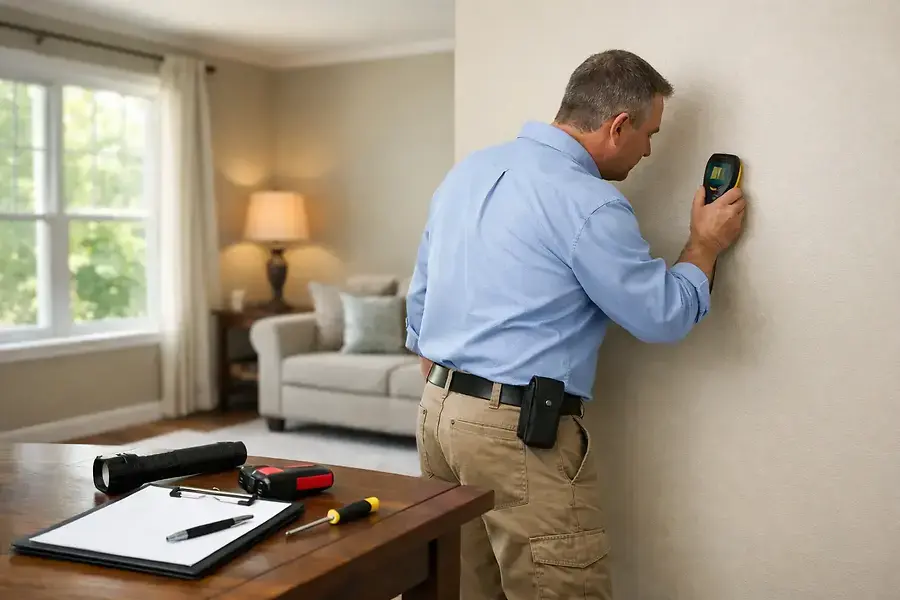
Understanding the Home Inspection Process in Newtown
Purchasing a home is one of the most significant investments you'll make in your lifetime. In Newtown, PA, a thorough home inspection is a critical step in the buying process that can save you thousands of dollars in unexpected repairs and maintenance costs. A professional home inspector will conduct a comprehensive evaluation of the property's structural integrity, systems, and overall condition.
The inspection typically lasts between two to four hours, depending on the size and age of the property. During this time, the inspector will examine both the interior and exterior of the home, documenting their findings in a detailed report. As a buyer, you have the right to be present during the inspection, and it's highly recommended that you attend to ask questions and gain firsthand knowledge about the property.
What to Expect During Your Inspection
Your inspector will arrive with specialized equipment and tools to assess various aspects of the home. They'll take photographs, measurements, and notes throughout the process. The inspection is non-invasive, meaning inspectors won't remove walls or dig into the foundation, but they will check everything accessible to them. Understanding this scope helps set realistic expectations for what the report will reveal.
Key Areas Inspectors Evaluate in Residential Properties
Professional home inspectors follow a systematic approach when evaluating properties in Newtown. Here are the primary areas they focus on:
Structural Components
- Foundation: Inspectors look for cracks, settling, water damage, and signs of structural movement that could indicate serious problems.
- Roof: The condition of shingles, flashing, gutters, and overall structural integrity are assessed for potential leaks and deterioration.
- Walls and Siding: Exterior materials are evaluated for damage, rot, and weathering that could compromise the home's protection.
Mechanical Systems
- HVAC System: Heating and cooling systems are tested for proper operation and efficiency. Age and maintenance history matter significantly.
- Plumbing: Water pressure, drainage, pipe materials, and the condition of fixtures are thoroughly examined.
- Electrical System: Panel condition, wiring, outlets, and safety features are inspected to ensure code compliance and safety.
Interior Features
- Windows and Doors: Functionality, seals, and weatherstripping are checked to ensure proper insulation and operation.
- Flooring: Inspectors look for damage, settling, and structural issues beneath various flooring types.
- Appliances: Built-in appliances are tested for proper operation, though their condition may vary based on age.
Safety and Environmental Concerns
- Moisture and Mold: Signs of water intrusion, dampness, and mold growth are documented as these can pose health risks.
- Pest Damage: Evidence of termites, rodents, or other pests is noted for potential treatment needs.
- Hazardous Materials: Older homes may contain asbestos, lead paint, or other materials requiring professional remediation.
How to Interpret Your Inspection Report and Negotiate Repairs
Once the inspection is complete, you'll receive a detailed report typically within 24 to 48 hours. This document is your roadmap for understanding the property's condition and identifying potential issues.
Understanding the Report Format
Most inspection reports categorize findings into three levels: major concerns that require immediate attention, minor issues that should be addressed eventually, and maintenance recommendations for ongoing care. Pay special attention to items marked as safety hazards or structural concerns, as these typically take priority in negotiations.
Prioritizing Issues
Not every finding requires renegotiation. Focus on significant issues that affect safety, functionality, or long-term value. Common negotiation points include roof replacement, foundation repairs, HVAC system failures, and plumbing or electrical issues. Minor cosmetic issues or routine maintenance items are typically the buyer's responsibility after closing.
Negotiation Strategies
- Request repair estimates from licensed contractors to support your negotiation position with concrete numbers.
- Ask the seller to complete repairs before closing rather than accepting credits, which gives you control over the work quality.
- Consider the age and condition of systems when determining if issues are deal-breakers or manageable concerns.
- Be prepared to walk away if major structural or safety issues aren't adequately addressed.
Moving Forward: Using Inspection Results to Make Confident Offers
The home inspection is ultimately a tool for empowerment. Armed with detailed knowledge about the property's condition, you can make informed decisions about your offer and future investment.
Making Your Decision
Use the inspection report to evaluate whether the property represents good value at the asking price. If significant repairs are needed, factor these costs into your offer. A home that requires $15,000 in repairs should be reflected in your purchase price negotiation. Don't let emotional attachment to a property override practical financial considerations.
Planning for Future Maintenance
The inspection report serves as your baseline for understanding the home's maintenance needs. Systems noted as aging or near the end of their lifespan should be budgeted for replacement within the next few years. This forward planning helps you avoid financial surprises and maintain your property's value.
Building Your Home Maintenance Plan
After closing, use the inspection findings to create a maintenance schedule. Address any deferred items promptly, and establish regular maintenance routines for HVAC systems, plumbing, and other critical components. This proactive approach extends the life of your home's systems and prevents minor issues from becoming major problems.
Pro Tip: Keep your inspection report and all contractor estimates in a dedicated file. These documents prove invaluable for insurance claims, future home sales, and warranty purposes.
Final Thoughts
A comprehensive home inspection is your best defense against costly surprises and hidden problems. In Newtown, PA's competitive real estate market, taking time to thoroughly evaluate a property before purchase demonstrates wisdom and protects your investment. By understanding what inspectors look for, how to interpret their findings, and how to use this information strategically, you'll approach your home purchase with confidence and clarity.