The Complete Home Inspection Checklist for NYC Residential Buyers
Essential steps to protect your investment and uncover hidden issues before closing on your New York property.

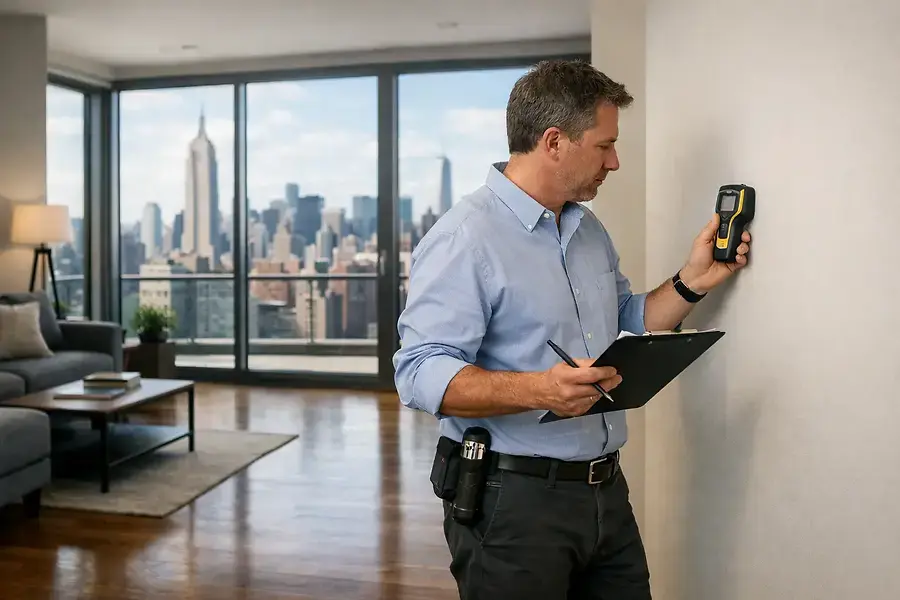
Introduction: Why Home Inspections Matter in the NYC Market
Purchasing a home in New York City is one of the most significant financial decisions you'll make. With properties ranging from historic brownstones in Brooklyn to modern condominiums in Manhattan, the diversity of NYC real estate demands a thorough understanding of what you're buying. A professional home inspection is your safeguard against costly surprises after closing.
In the competitive NYC market, many buyers feel pressured to waive inspections or skip this crucial step. Don't make this mistake. A comprehensive home inspection can reveal structural issues, outdated systems, code violations, and other problems that could cost thousands to repair. This checklist will guide you through the essential areas every NYC residential property should be evaluated for.
Critical Areas to Inspect in NYC Residential Properties
Structural Integrity and Foundation
NYC buildings, many built decades ago, often have unique structural challenges. Your inspector should evaluate:
- Foundation cracks and water damage
- Settling or shifting of the structure
- Basement or crawl space conditions
- Load-bearing walls and support beams
- Signs of pest damage or wood rot
Tip: Older NYC properties may have masonry facades that require specialized inspection and maintenance.
Plumbing Systems
NYC's aging infrastructure means plumbing issues are common. Inspectors should check:
- Water pressure and flow rates
- Pipe materials and age (lead pipes are a concern in older buildings)
- Drainage and sewer line conditions
- Water heater functionality and age
- Presence of leaks or water stains
- Compliance with NYC plumbing codes
Lead pipes are particularly important in NYC properties built before 1950. Testing is essential if you have young children or plan to start a family.
Electrical Systems
Electrical safety is paramount. Your inspector should evaluate:
- Panel capacity and condition
- Grounding and bonding systems
- Outlet and switch functionality
- Presence of outdated wiring (knob-and-tube, aluminum)
- GFCI protection in wet areas
- Code compliance with NYC electrical standards
Many NYC apartments have insufficient electrical capacity for modern appliances and devices. This may require expensive upgrades.
HVAC and Heating Systems
NYC winters are harsh, making heating systems critical. Inspectors should assess:
- Boiler or furnace age and condition
- Radiator functionality (in older buildings)
- Air conditioning system performance
- Ductwork or steam pipe conditions
- Thermostat operation
- Compliance with NYC heating code requirements
Roof and Exterior
NYC weather takes a toll on roofs and exteriors. Check for:
- Roof material condition and remaining lifespan
- Flashing and gutter integrity
- Chimney condition and safety
- Window and door seals
- Siding or masonry deterioration
- Water intrusion signs
Windows and Doors
In NYC's climate, windows and doors must provide proper insulation and security. Evaluate:
- Single vs. double-pane glass
- Frame condition and seal integrity
- Lock functionality and security
- Weather stripping condition
- Signs of water damage or rot
Interior Conditions
Don't overlook interior details:
- Mold or mildew presence
- Asbestos in insulation, tiles, or popcorn ceilings
- Paint condition (lead paint in pre-1978 buildings)
- Floor and wall integrity
- Bathroom and kitchen functionality
- Appliance condition and age
What to Do When Inspection Issues Are Discovered
Prioritize Issues by Severity
Not all inspection findings are deal-breakers. Categorize issues as:
- Critical: Safety hazards or major system failures (electrical hazards, structural damage, heating system failure)
- Major: Significant repairs needed soon (roof replacement, plumbing issues, foundation cracks)
- Minor: Cosmetic or maintenance items (paint touch-ups, caulking, minor repairs)
Request Repairs or Credits
Once issues are identified, you have options:
- Request repairs: Ask the seller to fix critical and major issues before closing
- Request credits: Negotiate a reduction in purchase price to cover repairs yourself
- Walk away: If issues are too extensive, you may choose to terminate the contract (if your inspection contingency allows)
In NYC's competitive market, sellers may resist repair requests. Be strategic and focus on critical safety issues.
Get Specialist Inspections
For significant findings, hire specialists:
- Structural engineer for foundation or framing concerns
- Plumber for major plumbing issues
- Electrician for electrical system problems
- Mold inspector if mold is suspected
- Lead paint inspector for pre-1978 properties
These specialists provide detailed reports that strengthen your negotiating position.
Document Everything
Keep detailed records of:
- The original inspection report
- Photos and videos of issues
- Specialist reports and estimates
- All correspondence with the seller and their agent
- Repair quotes from contractors
This documentation protects you legally and helps with future insurance or warranty claims.
Conclusion: Making Informed Decisions with Professional Guidance
A thorough home inspection is your best defense against costly surprises in the NYC real estate market. By systematically evaluating structural integrity, plumbing, electrical systems, HVAC, exteriors, and interior conditions, you gain a complete picture of your potential investment.
Remember: Never skip the inspection to gain a competitive advantage in negotiations. The money spent on a professional inspection is minimal compared to the cost of undiscovered problems. Work with experienced inspectors familiar with NYC properties, prioritize critical issues, and don't hesitate to hire specialists for major concerns.
With this checklist and professional guidance, you'll make informed decisions that protect your investment and ensure your new NYC home is safe, sound, and worth every penny.