The Complete Home Inspection Checklist for Old Bridge, NJ Buyers
Learn the critical inspection checkpoints that protect your investment in Old Bridge's competitive real estate market.

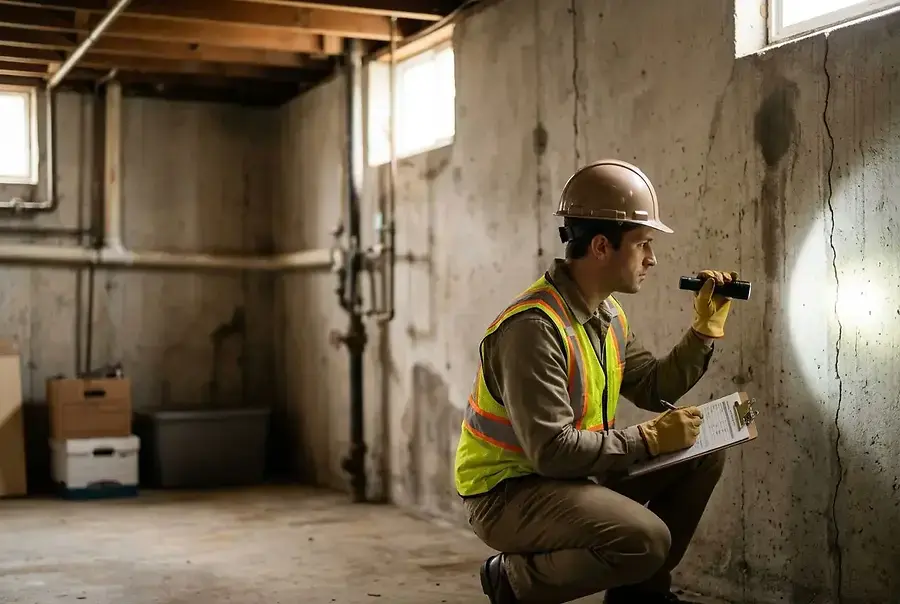
Understanding the Importance of Professional Home Inspections
Purchasing a home is one of the most significant financial decisions you'll make. In Old Bridge's competitive real estate market, having a thorough professional home inspection is not just recommended—it's essential. A comprehensive inspection provides you with detailed knowledge about your potential property's condition before you commit to the purchase.
Professional home inspectors bring years of experience and specialized training to identify issues that untrained eyes might miss. They evaluate everything from visible structural elements to hidden systems within your walls. This investment in a professional inspection typically costs between $300 and $500, but can save you thousands in unexpected repairs and costly surprises down the road.
Why Old Bridge Properties Require Special Attention: Many homes in Old Bridge were built several decades ago, meaning they may have aging systems, outdated electrical wiring, or foundation concerns that need careful evaluation. A thorough inspection gives you leverage in negotiations and helps you make an informed decision about your investment.
Key Areas to Evaluate: Foundation, Systems, and Structural Integrity
Foundation and Structural Elements
The foundation is the backbone of any home. During your inspection, professionals will examine:
- Cracks in the foundation walls or basement floors
- Signs of water intrusion or moisture damage
- Settling or shifting of the structure
- Proper grading around the foundation to ensure water drainage
- Basement walls for bowing or deterioration
Foundation issues can be expensive to repair, so this is one of the most critical areas to evaluate carefully. Even minor cracks should be documented and assessed by the inspector.
Electrical, Plumbing, and HVAC Systems
These three systems are vital to your home's functionality and safety. Your inspector will check:
- Electrical: Panel condition, grounding, outdated wiring, and safety concerns
- Plumbing: Water pressure, drainage, pipe materials, and signs of leaks
- HVAC: Furnace and air conditioning efficiency, age, and maintenance history
Older homes in Old Bridge may still have aluminum wiring or outdated systems that need upgrading. These upgrades can be costly, so understanding the current state is crucial for your budget planning.
Roof, Attic, and Exterior
The roof protects everything beneath it. Inspectors will evaluate:
- Roof age and remaining lifespan
- Signs of leaks, missing shingles, or deterioration
- Proper ventilation in the attic
- Gutters and downspouts functionality
- Exterior siding, windows, and doors for damage or decay
A roof replacement can cost $10,000 or more, making this assessment particularly important for your financial planning.
Interior Condition and Safety
Don't overlook the interior details. Inspectors examine:
- Walls and ceilings for water damage or mold
- Flooring condition and potential hazards
- Windows and doors for proper operation
- Appliances included in the sale
- Potential asbestos or lead paint in older homes
Red Flags and Deal-Breakers in Old Bridge Properties
Certain findings during an inspection should raise serious concerns and warrant further investigation or negotiation:
Major Structural Issues
Foundation cracks, settling, or water damage are serious red flags. These issues require professional structural engineer evaluation and can be prohibitively expensive to repair. If you encounter these problems, consider whether you're willing to invest in remediation.
Mold and Water Damage
Mold growth indicates moisture problems that could affect your health and the home's integrity. Any signs of active mold should trigger a mold inspection by a certified professional before proceeding with the purchase.
Outdated or Unsafe Electrical Systems
Aluminum wiring, insufficient grounding, or overloaded panels pose fire hazards. Upgrading electrical systems is expensive and should factor into your negotiation strategy.
Plumbing Problems
Corroded pipes, low water pressure, or sewage backup issues can be costly to address. Galvanized pipes common in older homes may need replacement soon.
Roof Damage or Age
A roof nearing the end of its lifespan is a significant expense. If the roof is more than 20 years old, budget for replacement within the next few years.
HVAC System Failure
An aging furnace or air conditioning system that's failing will need replacement, typically costing $5,000 to $10,000 or more.
Taking Action: Next Steps After Your Inspection Report
Review and Understand Your Report
Take time to carefully review the inspection report with your real estate agent. Ask the inspector to explain any findings you don't understand. Request clarification on severity levels—some issues are minor maintenance items, while others are serious concerns.
Prioritize Issues by Severity
Categorize findings into three groups:
- Critical: Safety hazards or major structural issues requiring immediate attention
- Important: Systems or components that will need repair or replacement soon
- Minor: Cosmetic issues or routine maintenance items
Obtain Repair Estimates
For significant issues, get written estimates from licensed contractors. This gives you concrete numbers for negotiation and helps you understand the true cost of addressing problems.
Negotiate or Renegotiate
Use your inspection findings as leverage in negotiations. You can request that the seller:
- Make repairs before closing
- Provide a credit toward repairs you'll handle
- Reduce the purchase price to account for needed work
Make Your Final Decision
Armed with complete information about the property's condition, you can make a confident decision. If critical issues exist and the seller won't address them, you have the right to walk away from the deal.
Remember: A home inspection is your opportunity to uncover problems before they become your responsibility. In Old Bridge's competitive market, this knowledge is your greatest asset.
Plan for Ongoing Maintenance
Even if the inspection reveals no major issues, budget for regular maintenance. Preventive care extends the life of your home's systems and prevents costly emergency repairs.


