The Complete Home Inspection Checklist for Palm Springs Buyers
Discover the critical inspection points every Palm Springs homebuyer needs to know before closing on their desert property.

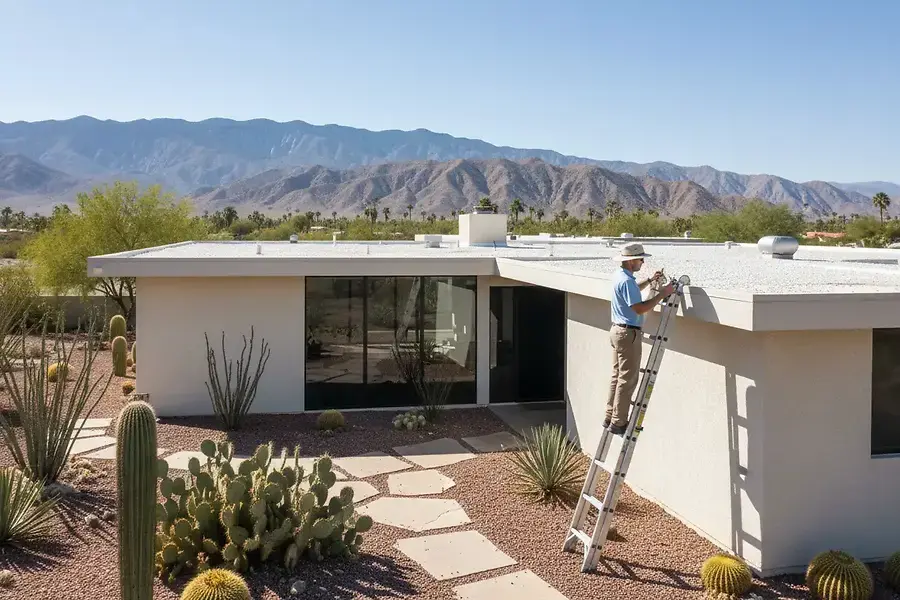
Why Home Inspections Matter in Palm Springs
Purchasing a home in Palm Springs is an exciting investment, but it requires careful due diligence. A professional home inspection is one of the most critical steps in the buying process, protecting you from costly surprises after closing. In the unique desert environment of Palm Springs, standard inspections take on added importance due to climate-specific challenges and construction considerations.
The desert climate presents distinct challenges that don't exist in other regions. Extreme heat, low humidity, intense sun exposure, and occasional flash flooding create wear patterns that inspectors must specifically evaluate. Understanding what to look for during your inspection can save you thousands of dollars in unexpected repairs and help you make a truly informed purchase decision.
Climate-Specific Inspection Concerns in the Desert
Roof and Sun Damage
The intense Palm Springs sun is relentless on roofing materials. During your inspection, pay special attention to:
- Shingle degradation – Look for curling, cracking, or fading that indicates UV damage
- Sealant deterioration – Desert heat causes sealants to dry out and fail prematurely
- Flashing integrity – Check around vents, chimneys, and skylights for gaps or corrosion
- Roof age – Most Palm Springs roofs last 15-20 years due to sun exposure, compared to 20-25 years elsewhere
Air Conditioning and Cooling Systems
Your AC system is not a luxury in Palm Springs—it's essential. Ensure the inspector thoroughly evaluates:
- Unit age and maintenance history
- Refrigerant levels and potential leaks
- Compressor condition and efficiency
- Ductwork integrity and insulation
- Thermostat functionality and calibration
Pro tip: Ask about the system's cooling capacity (measured in tons) to ensure it's adequate for the home's square footage in extreme heat.
Foundation and Concrete Issues
The desert's extreme temperature fluctuations cause concrete to expand and contract dramatically. Inspect for:
- Cracks in the foundation or concrete slabs
- Uneven settling or sloping floors
- Water damage or moisture intrusion
- Erosion around the foundation perimeter
Plumbing and Water Systems
Desert water is typically hard and mineral-rich, affecting plumbing longevity. Check for:
- Corrosion in copper pipes
- Water heater age and condition
- Mineral buildup in fixtures
- Septic system functionality (if applicable)
- Pool equipment condition and chemical balance
Key Systems and Structural Elements to Evaluate
Electrical Systems
Desert heat stresses electrical components. Your inspector should verify:
- Panel capacity and breaker functionality
- Proper grounding and bonding
- Outlet and switch conditions
- Adequate circuits for modern appliances and AC units
Windows and Doors
Intense sun exposure degrades seals and frames. Evaluate:
- Single vs. double-pane windows and their condition
- Window frame deterioration or rot
- Door seal integrity and weatherstripping
- Sliding glass door track condition
Insulation and Ventilation
Proper insulation is crucial for energy efficiency in the desert heat. Check:
- Attic insulation R-value and coverage
- Wall insulation adequacy
- Ventilation system functionality
- Radiant barriers in the attic
Exterior and Landscaping
Desert landscaping and exterior elements require specific attention:
- Exterior walls – Look for stucco cracks, paint peeling, or water damage
- Gutters and drainage – Ensure proper water management during rare but intense rainstorms
- Landscaping – Verify that vegetation isn't damaging foundations or creating fire hazards
- Hardscape features – Check pavers, patios, and pool decking for cracking or settling
Interior Finishes and Appliances
Don't overlook the details that affect daily living:
- Kitchen appliance age and functionality
- Flooring condition and potential water damage
- Cabinet and countertop integrity
- Bathroom fixtures and tile condition
- Interior paint and wall conditions
Safety and Code Compliance
Ensure the property meets current safety standards:
- Smoke and carbon monoxide detectors
- GFCI outlets in wet areas
- Proper handrails on stairs
- Fire-resistant materials in high-risk areas
Making an Informed Purchase Decision
A comprehensive home inspection in Palm Springs goes beyond standard checklists. The desert environment demands specialized knowledge and attention to climate-specific issues that can significantly impact your investment's value and livability.
Key takeaways for your inspection:
- Hire an inspector with specific experience in Palm Springs properties
- Attend the inspection personally to ask questions and understand findings
- Request a detailed written report with photos and recommendations
- Use inspection results to negotiate repairs or credits with the seller
- Budget for preventive maintenance specific to desert living
By thoroughly evaluating these critical areas, you'll gain confidence in your purchase and avoid costly surprises down the road. A small investment in a quality inspection today can save you tens of thousands in unexpected repairs tomorrow. Your Palm Springs home should be a source of joy and financial security—make sure your inspection process reflects that priority.


