The Complete Home Inspection Checklist for Pittsfield, IL Buyers
Learn what professional inspectors look for and how to protect your residential investment in Pittsfield.

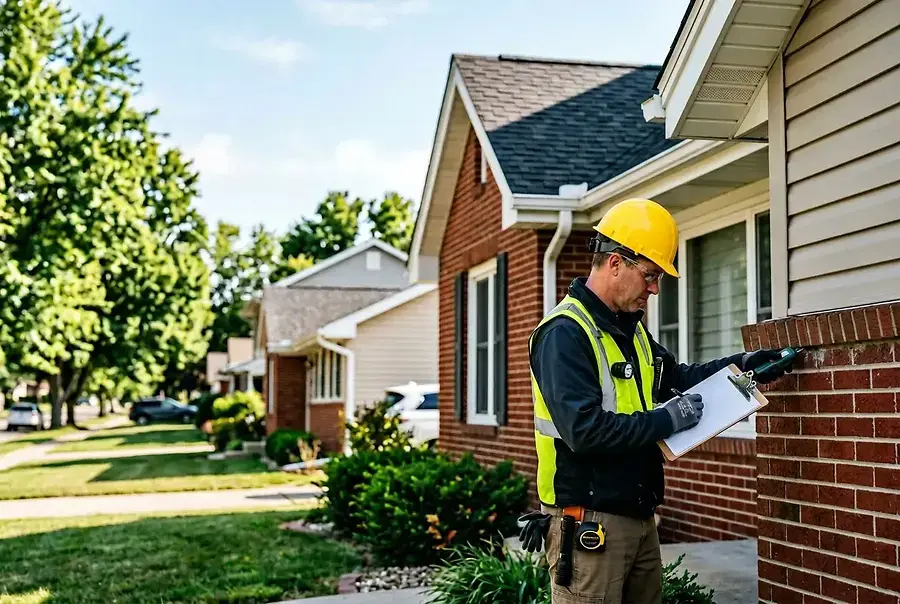
Why Home Inspections Matter for Pittsfield Buyers
Purchasing a home is one of the most significant financial decisions you'll make in your lifetime. For buyers in Pittsfield, IL, a comprehensive home inspection is not just a formality—it's a critical safeguard for your investment. A professional home inspection provides an objective assessment of a property's condition, revealing potential issues before you commit to the purchase.
Home inspections serve multiple purposes. They give you leverage in negotiations, help you budget for future repairs, and most importantly, protect you from inheriting costly problems. In Pittsfield's diverse housing market, properties range from historic homes to newer constructions, each with unique inspection considerations. Understanding what inspectors look for empowers you to ask the right questions and make informed decisions.
Key Areas Professional Inspectors Examine in Residential Properties
Structural Components and Foundation
The foundation is the backbone of any home. Professional inspectors carefully examine the foundation for cracks, settling, water damage, and signs of structural movement. They assess basement walls, crawl spaces, and the overall integrity of the structure. In Pittsfield, where soil conditions can vary, foundation issues are particularly important to identify early.
Roofing and Exterior
Your roof protects everything beneath it. Inspectors evaluate:
- Roof age and remaining lifespan
- Shingle condition and missing pieces
- Flashing around chimneys and vents
- Gutters and downspouts
- Siding condition and water intrusion signs
- Windows and doors functionality
These exterior elements are crucial for preventing water damage and maintaining energy efficiency.
Plumbing Systems
Inspectors test water pressure, check for leaks, and examine pipes for corrosion or damage. They verify that the water heater is functioning properly and assess its age. They also inspect drainage systems, looking for slow drains or signs of blockages. In older Pittsfield homes, outdated plumbing materials may require attention or replacement.
Electrical Systems
A thorough electrical inspection includes checking the main panel, circuit breakers, outlets, and wiring. Inspectors look for outdated systems, improper grounding, and safety hazards. They verify that the electrical system can handle modern household demands and meets current safety codes.
HVAC Systems
Heating, ventilation, and air conditioning systems are essential for comfort and indoor air quality. Inspectors evaluate furnace and air conditioning unit age, efficiency, and condition. They check ductwork for leaks and proper insulation, ensuring the system operates safely and effectively.
Interior Components
Professional inspectors examine:
- Walls, ceilings, and floors for damage or water stains
- Doors and windows for proper operation
- Stairs and railings for safety
- Attic insulation and ventilation
- Basement moisture and drainage
Common Issues Found in Pittsfield Homes and How to Address Them
Water Intrusion and Moisture Problems
Water damage is one of the most common issues in residential properties. Signs include staining on ceilings or walls, musty odors, and visible mold. Address this by: Ensuring proper grading around the foundation, maintaining gutters and downspouts, sealing cracks in the foundation, and installing or improving sump pumps if needed.
Aging Roofs
Many Pittsfield homes have roofs nearing the end of their lifespan. Solutions include: Scheduling a professional roof inspection, budgeting for replacement within the next few years, or negotiating repairs with the seller before closing.
Outdated Electrical Systems
Older homes may have aluminum wiring or insufficient electrical capacity. Remedies include: Upgrading the electrical panel, replacing outdated wiring, and adding circuits to accommodate modern appliances and technology.
HVAC System Age
Furnaces and air conditioning units typically last 15-20 years. If your inspection reveals aging systems, consider: Requesting seller repairs or credits, budgeting for replacement, or negotiating a lower purchase price to account for future upgrades.
Plumbing Concerns
Corroded pipes, low water pressure, or outdated materials are common findings. Address these by: Obtaining repair estimates, negotiating with the seller for fixes, or planning for gradual replacement of problematic sections.
Pest and Termite Damage
Wood-destroying insects can cause significant structural damage. If found: Hire a pest control specialist for treatment, obtain repair estimates for damaged wood, and establish preventative maintenance plans.
Using Inspection Results to Make Confident Purchasing Decisions
Once you receive your inspection report, take time to review it thoroughly. Ask your inspector to explain findings you don't understand. Distinguish between minor cosmetic issues and serious structural or safety concerns.
Use inspection results strategically: Request repairs for significant issues, ask for credits toward closing costs, negotiate a lower purchase price, or make your offer contingent on satisfactory inspection results. Remember that no home is perfect—focus on issues that affect safety, functionality, and long-term value.
For Pittsfield buyers, a comprehensive home inspection is an investment in peace of mind. It transforms the home-buying process from a leap of faith into an informed decision. By understanding what inspectors examine and how to address common issues, you protect your financial investment and ensure your new home is safe, sound, and ready for your family.
Don't skip the inspection—it's one of the most important steps in your home-buying journey.


