The Complete Home Inspection Checklist for Reno Homebuyers and Sellers
Discover the critical inspection checkpoints that protect your investment and reveal hidden issues before closing.

Understanding the Home Inspection Process in Reno
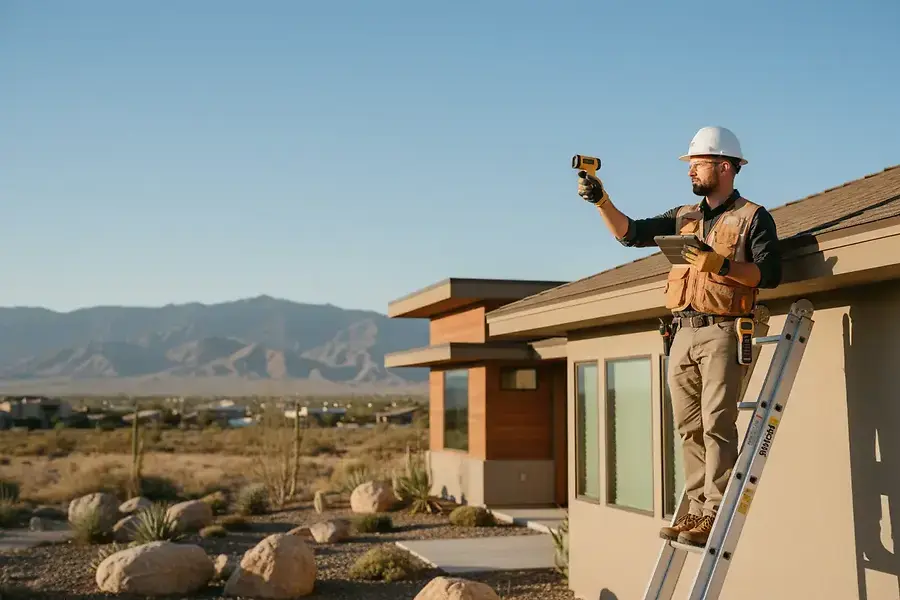
A home inspection is one of the most critical steps in the real estate transaction process. Whether you're buying or selling a property in Reno, understanding what happens during an inspection can save you thousands of dollars and prevent costly surprises down the road. A professional home inspector will conduct a thorough examination of your property, evaluating everything from the foundation to the roof.
In Reno's unique climate, inspectors pay special attention to issues related to extreme temperature fluctuations, low humidity, and intense sun exposure. The inspection typically takes two to three hours and covers both the interior and exterior of the home. As a buyer, you have the opportunity to walk through the inspection with the inspector, asking questions and gaining valuable insights into the property's condition.
What to Expect During the Inspection
The inspector will use specialized tools and equipment to assess the structural integrity, mechanical systems, and overall condition of the home. They'll document their findings in a detailed report that becomes a crucial negotiating tool. For sellers, having a pre-inspection done before listing can help identify issues early and set realistic expectations for potential buyers.
Key Areas Inspectors Examine and Red Flags to Watch For
Foundation and Structural Components
The foundation is the backbone of any home. Inspectors look for:
- Cracks in the foundation – Small hairline cracks are normal, but larger cracks may indicate serious structural issues
- Water damage or moisture – Signs of water intrusion in basements or crawl spaces
- Settling or shifting – Uneven floors or doors that don't close properly
- Pest damage – Evidence of termites or other wood-destroying insects
Roofing and Exterior
Reno's intense sun can take a toll on roofing materials. Inspectors examine:
- Roof age and condition – Most roofs last 15-25 years depending on materials
- Missing or damaged shingles – Can lead to leaks and interior water damage
- Flashing and gutters – Proper drainage is essential in Reno's climate
- Exterior walls and siding – Look for rot, damage, or deterioration
Plumbing Systems
Water-related issues are among the most expensive to repair. Inspectors check:
- Water pressure and flow – Inadequate pressure may indicate pipe issues
- Leaks under sinks and around toilets – Can cause hidden water damage
- Water heater condition – Age, rust, and proper venting are critical
- Septic systems – If applicable, proper function and maintenance history
Electrical Systems
Electrical safety is paramount. Red flags include:
- Outdated wiring – Aluminum wiring or knob-and-tube systems are serious concerns
- Insufficient outlets – May indicate inadequate electrical capacity
- Improper grounding – A safety hazard that needs immediate attention
- Overloaded circuits – Can be a fire risk
HVAC and Climate Control
Given Reno's temperature extremes, HVAC systems are crucial:
- Age and maintenance history – Systems typically last 15-20 years
- Proper sizing – Undersized systems can't handle Reno's heat
- Ductwork condition – Leaks reduce efficiency and increase costs
- Thermostat functionality – Programmable thermostats add value
Interior Conditions
Inspectors also evaluate:
- Mold and moisture – Particularly in bathrooms and basements
- Insulation levels – Important for energy efficiency in Reno's climate
- Windows and doors – Proper sealing and operation
- Flooring and walls – Signs of water damage or structural movement
How to Use Inspection Reports to Negotiate Better Offers
For Buyers: Leveraging Inspection Findings
Once you receive the inspection report, you have several options. Don't panic over minor issues – every home has some wear and tear. Instead, focus on significant problems that affect safety, functionality, or value. Use the report to request repairs, ask for credits toward closing costs, or renegotiate the purchase price.
Pro tip: Get quotes from contractors for major repairs before negotiating. This gives you concrete numbers to work with and strengthens your negotiating position.
For Sellers: Getting Ahead of Issues
If you're selling, consider ordering a pre-inspection before listing. This allows you to address major issues proactively, set realistic pricing, and build buyer confidence. You can disclose known issues upfront, which often leads to smoother transactions and fewer last-minute negotiations.
Negotiation Strategies
- Prioritize safety issues – Electrical, structural, and plumbing problems should be addressed first
- Request repair credits – Sometimes it's better to let buyers handle repairs themselves
- Get multiple quotes – Use competitive bids to justify your negotiating position
- Know when to walk away – If repairs exceed 10-15% of the purchase price, reconsider the deal
Conclusion: Making Informed Decisions With Inspection Data
A comprehensive home inspection is an investment in your peace of mind and financial security. Whether you're buying or selling in Reno, the inspection report provides objective data that empowers you to make informed decisions. Don't skip the inspection – it's one of the most important protections available in a real estate transaction.
By understanding what inspectors look for, recognizing red flags, and knowing how to use inspection reports effectively, you can navigate the Reno real estate market with confidence. Remember, the goal isn't to find a perfect home – it's to find one where you understand the condition, can plan for necessary repairs, and feel secure in your investment.
"A thorough home inspection is the difference between a great real estate decision and a costly mistake. Take it seriously, ask questions, and use the information to protect your investment."


