The Complete Home Inspection Checklist for Residential Buyers
Discover the critical inspection points every homebuyer should evaluate before making an offer.

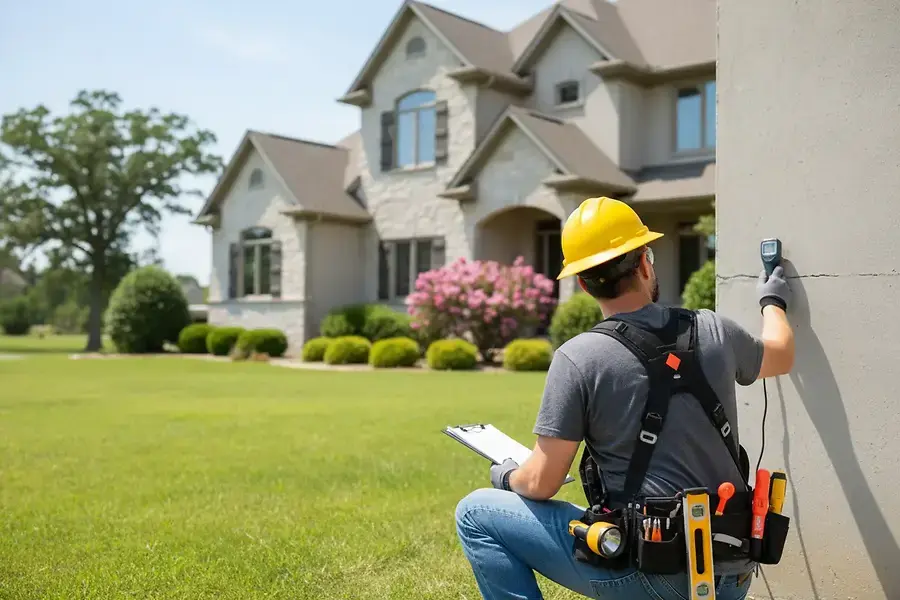
Introduction: Why Professional Home Inspections Matter
Purchasing a home is one of the most significant financial decisions you'll make in your lifetime. Before committing to such a substantial investment, understanding the true condition of the property is essential. A professional home inspection provides an objective assessment of the home's structural integrity, systems, and overall condition, protecting you from costly surprises down the road.
Many homebuyers skip or rush through inspections to close deals quickly, but this approach can lead to expensive repairs and safety hazards. A thorough inspection typically costs between $300 and $500 and can save you thousands in unexpected repairs. This checklist will guide you through the critical areas that professional inspectors evaluate.
Key Areas to Evaluate During a Residential Inspection
Structural Components and Foundation
The foundation is the backbone of any home. Inspectors examine the foundation for cracks, settling, water damage, and signs of structural movement. Look for:
- Horizontal or vertical cracks in the foundation
- Water stains or moisture in basements and crawl spaces
- Uneven floors or doors that don't close properly
- Evidence of previous repairs or patching
Foundation issues can be expensive to repair, so this area deserves careful attention during your inspection.
Roof and Attic
The roof protects your entire home from the elements. Inspectors evaluate the roof's age, condition, and remaining lifespan. Key inspection points include:
- Shingle condition and signs of wear or damage
- Proper ventilation and insulation in the attic
- Flashing around chimneys and vents
- Evidence of leaks or water damage
- Gutter and downspout functionality
A roof replacement can cost $10,000 or more, making this inspection critical for budgeting purposes.
Plumbing Systems
Water damage is one of the most common and costly issues in homes. Professional inspectors test water pressure, check for leaks, and evaluate the overall plumbing system. Important areas to examine include:
- Water pressure and flow rates
- Visible leaks under sinks and around toilets
- Water heater age and condition
- Drain functionality and signs of clogs
- Pipe material and corrosion issues
Electrical Systems
Faulty electrical systems pose serious safety risks, including fire hazards. Inspectors evaluate the electrical panel, outlets, and wiring throughout the home. Critical inspection points include:
- Proper grounding and bonding
- Adequate circuit capacity for modern appliances
- GFCI outlets in bathrooms and kitchens
- Signs of outdated or dangerous wiring
- Proper labeling of circuit breakers
HVAC Systems
Heating, ventilation, and air conditioning systems are essential for comfort and indoor air quality. Inspectors assess the age, condition, and efficiency of these systems:
- Age and remaining lifespan of furnace and air conditioning units
- Proper airflow and ductwork condition
- Thermostat functionality
- Filter accessibility and maintenance requirements
Windows, Doors, and Exterior
The home's exterior protects against weather and pests. Inspectors evaluate:
- Window and door operation and seal integrity
- Siding condition and signs of damage
- Proper drainage around the foundation
- Deck or porch structural integrity
- Pest damage or infestation signs
Red Flags and Common Issues Found in Home Inspections
Water Damage and Mold
Water damage is a red flag that demands immediate attention. Look for discoloration on ceilings, walls, or floors, musty odors, or visible mold growth. These issues can indicate roof leaks, plumbing problems, or poor drainage. Mold remediation can be expensive and may pose health risks.
Outdated Electrical Systems
Homes with aluminum wiring, knob-and-tube wiring, or insufficient grounding present serious fire hazards. If your inspector identifies these issues, budget for a complete electrical system upgrade.
Structural Problems
Foundation cracks, sagging roofs, or uneven floors indicate structural issues that require professional assessment. These problems can worsen over time and become increasingly expensive to repair.
HVAC System Failures
Aging furnaces and air conditioning units may fail soon after purchase. If the inspector notes that systems are near the end of their lifespan, factor replacement costs into your offer.
Pest Infestation
Signs of termites, rodents, or other pests require professional pest control treatment and may indicate structural damage. This is a serious concern that shouldn't be ignored.
Asbestos and Lead Paint
Homes built before the 1980s may contain asbestos in insulation, floor tiles, or roofing materials. Homes built before 1978 may have lead-based paint. Both substances require professional remediation and pose health risks.
Conclusion: Making Informed Decisions With Inspection Data
A comprehensive home inspection is an invaluable tool for making informed purchasing decisions. By understanding what inspectors evaluate and recognizing common red flags, you can negotiate repairs, request credits, or walk away from problematic properties before signing on the dotted line.
Remember: a professional home inspection is not an expense—it's an investment in your future. Take time to review the inspection report thoroughly, ask your inspector questions, and consult with contractors about repair estimates for any issues discovered. Armed with this knowledge, you'll be better equipped to make a confident decision about one of life's most important purchases.


