The Complete Home Inspection Checklist for Residential Buyers
Learn the critical inspection points every homebuyer should evaluate before making an offer.

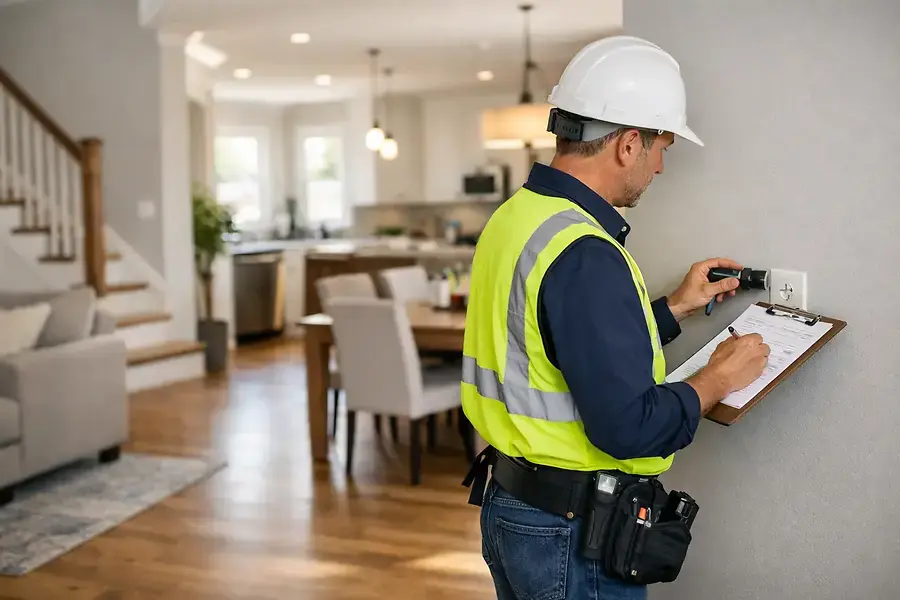
Why Home Inspections Matter
Purchasing a home is one of the most significant financial decisions you'll make in your lifetime. A thorough home inspection is your opportunity to uncover potential issues before committing to the purchase. A professional home inspection can save you thousands of dollars in unexpected repairs and provide peace of mind about your investment.
Many homebuyers skip or rush through inspections, assuming the property looks fine on the surface. However, serious structural problems, outdated systems, and hidden damage can lurk beneath walls and floorboards. Taking time to conduct a comprehensive inspection protects your financial interests and ensures you understand exactly what you're buying.
This checklist will guide you through the essential inspection points that every homebuyer should evaluate.
Key Structural and Foundation Elements to Evaluate
Foundation and Basement
The foundation is the literal and figurative backbone of your home. During inspection, look for:
- Visible cracks in the foundation walls or floor
- Signs of water damage, dampness, or mold growth
- Efflorescence (white mineral deposits on concrete)
- Uneven or settling floors
- Proper drainage around the foundation perimeter
Foundation issues are expensive to repair and can indicate serious structural problems. If you notice significant cracks or water intrusion, hire a structural engineer for a detailed assessment.
Roof and Attic
Your roof protects everything beneath it, making its condition critical. Inspect:
- Roof age and remaining lifespan
- Missing, damaged, or curling shingles
- Proper ventilation and insulation in the attic
- Signs of leaks or water stains on interior ceilings
- Flashing around chimneys and vents
- Gutters and downspouts for proper drainage
A roof replacement can cost $10,000 or more, so understanding its condition helps you budget for future maintenance.
Walls, Windows, and Doors
Examine the exterior and interior for:
- Cracks in drywall or plaster
- Water stains or discoloration on walls
- Proper operation of all windows and doors
- Gaps or deterioration in caulking and weatherstripping
- Signs of pest damage or infestation
- Condition of siding, brick, or other exterior materials
Systems and Utilities: HVAC, Plumbing, and Electrical
HVAC System
Heating, ventilation, and air conditioning systems are essential for comfort and indoor air quality. Evaluate:
- Age and condition of the furnace and air conditioning unit
- When filters were last replaced
- Proper airflow throughout the home
- Thermostat functionality and accuracy
- Ductwork for leaks or disconnections
- Maintenance records from the current owner
HVAC systems typically last 15-20 years, so an older system may require replacement soon after purchase.
Plumbing System
Water damage is one of the most costly issues homeowners face. Check:
- Water pressure and flow from all fixtures
- Signs of leaks under sinks and around toilets
- Water heater age and condition
- Pipe material (outdated materials like galvanized steel may need replacement)
- Proper grading to direct water away from the foundation
- Septic system condition (if applicable)
Corroded pipes or a failing water heater can lead to expensive emergency repairs. Understanding the plumbing system's condition helps you plan for future upgrades.
Electrical System
An outdated or unsafe electrical system poses serious risks. Inspect:
- Age and type of electrical panel
- Presence of outdated fuses or modern circuit breakers
- Adequate number of outlets in each room
- Proper grounding and bonding
- GFCI outlets in bathrooms and kitchens
- Signs of overheating or burnt outlets
Older homes may have aluminum wiring or insufficient capacity for modern electrical demands. These issues require professional remediation.
Additional Systems to Evaluate
Don't overlook these important components:
- Insulation: Check attic insulation levels for energy efficiency
- Appliances: Test all included appliances for proper operation
- Fireplace and Chimney: Verify proper venting and structural integrity
- Deck or Patio: Assess structural safety and condition
Making an Informed Purchase Decision
A comprehensive home inspection provides the information you need to make a confident purchase decision.
Remember: inspection findings don't necessarily mean you should walk away from a property—they simply give you the knowledge to negotiate repairs, request credits, or budget for future improvements.
After receiving the inspection report, discuss findings with your real estate agent and consider hiring specialists for any areas of concern. Use the inspection results as leverage in negotiations to ensure you're getting fair value for your investment.
Taking the time to thoroughly inspect a home before purchase is an investment in your financial security and peace of mind. By following this checklist and working with qualified professionals, you'll be well-equipped to make one of the most important decisions of your life.


