The Complete Home Inspection Checklist for Residential Buyers
Learn what to look for during a home inspection to avoid expensive repairs and protect your investment.

Why Home Inspections Matter for Residential Purchases
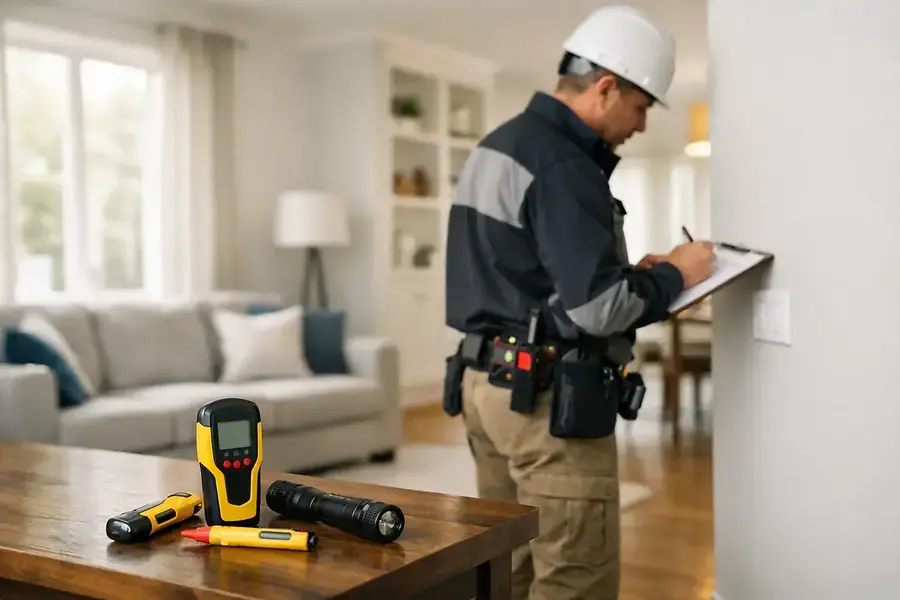
Purchasing a home is one of the most significant financial decisions you'll make in your lifetime. Before signing on the dotted line, a thorough home inspection is essential to protect your investment and avoid costly surprises down the road. A professional home inspection provides an objective assessment of the property's condition, identifying potential issues that may require immediate attention or future repairs.
Many homebuyers overlook the importance of inspections or rush through the process, only to discover expensive problems after closing. By understanding what to look for during a home inspection, you can negotiate repairs, request credits, or make an informed decision about whether the property is worth the asking price.
Structural and Foundation Issues to Evaluate
Foundation Integrity
The foundation is the backbone of any home. During your inspection, look for signs of foundation problems such as:
- Cracks in the foundation – Small hairline cracks are normal, but larger cracks or those that are widening may indicate serious structural issues
- Water damage or moisture – Basement dampness, efflorescence (white powder on walls), or standing water suggests poor drainage
- Uneven floors – Walking through the home, notice if floors slope or feel uneven, which could indicate foundation settlement
- Gaps between walls and floors – These gaps may suggest foundation movement or structural shifting
Walls and Structural Components
Examine both interior and exterior walls for structural integrity. Look for:
- Cracks in drywall or plaster that form patterns (especially diagonal cracks)
- Bowing or leaning walls, which may indicate structural problems
- Water stains or discoloration suggesting past or present leaks
- Rot or deterioration in wooden structural elements
Roof Structure
The roof is critical for protecting your home from the elements. During the inspection, assess the roof's structural support and look for signs of sagging or inadequate support beams. A sagging roof may indicate water damage, poor ventilation, or structural issues that require professional evaluation.
Systems Check: Plumbing, Electrical, HVAC, and Roofing
Plumbing System
A properly functioning plumbing system is essential for daily living. During your inspection, verify:
- Water pressure and flow – Test multiple fixtures simultaneously to ensure adequate water pressure throughout the home
- Pipe condition – Older homes may have outdated materials like galvanized steel or polybutylene pipes that are prone to failure
- Drainage – Check that drains flow properly and listen for unusual sounds indicating clogs or issues
- Water heater – Inspect the age, condition, and capacity of the water heater; units typically last 8-12 years
- Leaks and corrosion – Look under sinks and in basements for signs of leaks or corroded pipes
Electrical System
An outdated or faulty electrical system poses serious safety risks. During inspection, examine:
- Panel and breakers – The main electrical panel should be properly labeled, and breakers should trip smoothly without corrosion
- Outlet and switch functionality – Test outlets with a voltage tester to ensure proper grounding and polarity
- Wiring type – Older homes may have outdated aluminum wiring or knob-and-tube wiring, which can be fire hazards
- Grounding and bonding – Proper grounding is essential for safety and protection against electrical surges
- GFCI protection – Bathrooms, kitchens, and outdoor areas should have GFCI outlets for safety
HVAC System
Heating, ventilation, and air conditioning systems are critical for comfort and indoor air quality. Evaluate:
- Age and condition – HVAC units typically last 15-20 years; older systems may be less efficient and require replacement soon
- Functionality – Test both heating and cooling systems to ensure they operate properly
- Ductwork – Inspect visible ducts for leaks, disconnections, or inadequate insulation
- Thermostat – Verify the thermostat responds correctly and maintains temperature
- Maintenance records – Ask for service records to understand the system's maintenance history
Roofing System
The roof protects your entire home from weather damage. During inspection, assess:
- Shingle condition – Look for missing, cracked, or curling shingles that indicate age or damage
- Flashing integrity – Flashing around chimneys, vents, and skylights should be properly sealed to prevent leaks
- Gutters and downspouts – Ensure gutters are clean, properly attached, and direct water away from the foundation
- Roof age – Asphalt shingles typically last 15-25 years; metal roofs may last longer
- Ventilation – Proper attic ventilation prevents moisture buildup and extends roof life
Making Informed Decisions with Inspection Findings
Once the home inspection is complete, you'll receive a detailed report outlining any issues found. Don't ignore minor findings – small problems can escalate into expensive repairs if left unaddressed. Review the report carefully and prioritize issues based on safety concerns and cost implications.
Consider hiring specialists for major issues. If the inspector identifies potential problems with the foundation, roof, or electrical system, it may be worth investing in a specialized inspection to get a more detailed assessment and repair estimate.
Use the inspection findings to negotiate with the seller. You can request repairs be completed before closing, ask for credits toward repairs you'll handle yourself, or renegotiate the purchase price based on the cost of necessary repairs.
Remember: A home inspection is your opportunity to make an informed decision about one of the largest purchases of your life. Don't rush the process or skip this critical step.
By thoroughly evaluating the home's structural integrity and major systems, you'll have the confidence to move forward with your purchase or the knowledge to walk away from a problematic property. A comprehensive home inspection protects your investment and ensures you're making a sound financial decision.


