The Complete Home Inspection Checklist for Residential Buyers
Protect your investment by knowing exactly what to look for during a home inspection.

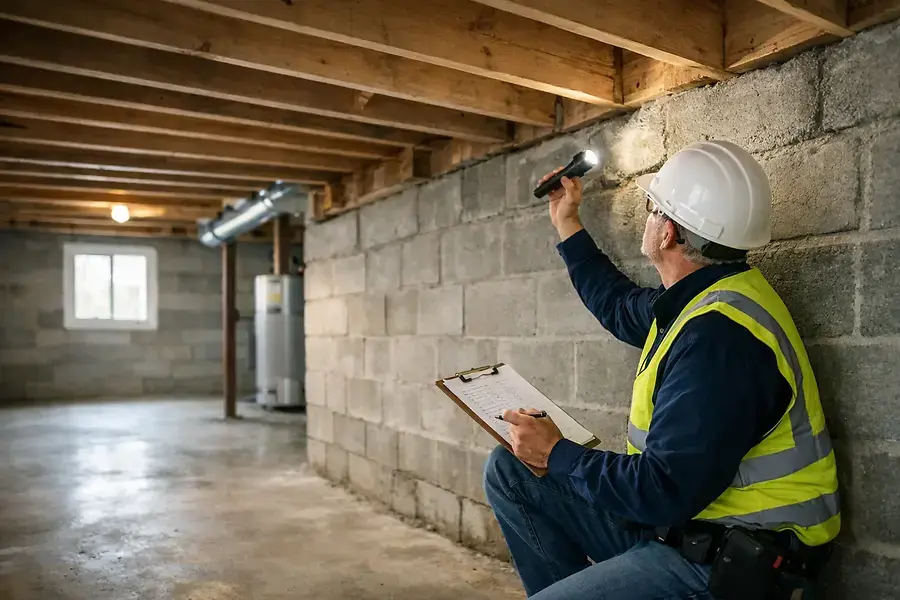
Introduction: Why Home Inspections Matter for Residential Purchases
Purchasing a home is one of the most significant financial decisions you'll make in your lifetime. Before signing on the dotted line, a thorough home inspection is essential to protect your investment and avoid costly surprises down the road. A professional home inspection provides an objective assessment of the property's condition, identifying potential issues that may not be visible to the untrained eye.
Home inspections serve as your safety net, revealing hidden problems with structural integrity, outdated systems, and maintenance issues that could cost thousands to repair. By understanding what inspectors look for and what you should prioritize, you can negotiate better terms, request repairs, or make an informed decision about whether to proceed with the purchase.
Structural and Foundation Assessment: Critical Areas to Evaluate
Foundation Inspection
The foundation is the backbone of any home. During inspection, professionals examine the foundation for cracks, settling, and water damage. Look for:
- Horizontal or vertical cracks in concrete or masonry
- Signs of water intrusion or moisture in basements and crawl spaces
- Uneven floors or doors that don't close properly
- Evidence of past or ongoing foundation repairs
Foundation issues can be expensive to repair, making this assessment one of the most critical parts of your inspection.
Roof and Attic Condition
Your roof protects everything beneath it. Inspectors evaluate the roof's age, condition, and remaining lifespan. Key areas include:
- Missing, cracked, or curling shingles
- Proper ventilation and insulation in the attic
- Signs of leaks or water damage on interior ceilings
- Flashing around chimneys and vents
- Gutters and downspouts for proper drainage
A roof replacement can cost $10,000 or more, so understanding its condition is vital for your budget planning.
Walls, Windows, and Doors
Exterior elements protect your home from the elements. Inspectors check for:
- Cracks in exterior walls or siding
- Proper weatherproofing and caulking
- Window and door functionality and seal integrity
- Signs of pest damage or rot in wood components
Systems and Utilities: Electrical, Plumbing, HVAC, and Roofing Review
Electrical System Assessment
A safe electrical system is non-negotiable. Inspectors examine the main panel, wiring, outlets, and switches for safety and code compliance. Critical checks include:
- Proper grounding and bonding
- Adequate circuit capacity for modern appliances
- Presence of GFCI outlets in wet areas (kitchens, bathrooms)
- Outdated wiring systems like knob-and-tube or aluminum wiring
- Proper labeling of circuit breakers
Electrical issues can pose serious safety hazards, including fire risks, making this inspection crucial for your family's safety.
Plumbing System Review
Water systems are essential for daily living. Inspectors test water pressure, check for leaks, and assess the overall condition of pipes and fixtures. Important areas to evaluate:
- Water pressure and flow rate
- Visible leaks under sinks and around toilets
- Age and condition of water heater
- Presence of galvanized or corroded pipes
- Proper drainage in all fixtures
- Septic system condition (if applicable)
Plumbing repairs can be expensive, especially if pipes need replacement throughout the home.
HVAC System Evaluation
Heating, ventilation, and air conditioning systems keep your home comfortable year-round. Inspectors assess the age, efficiency, and functionality of these systems:
- Age and remaining lifespan of furnace and air conditioning units
- Proper operation and temperature control
- Ductwork condition and insulation
- Thermostat functionality
- Regular maintenance records
HVAC replacement can cost $5,000 to $15,000, so understanding the system's condition helps with long-term planning.
Additional Systems to Consider
Beyond the major systems, inspectors also evaluate:
- Insulation and ventilation for energy efficiency
- Appliances included in the sale (age and functionality)
- Fireplace and chimney safety and operation
- Deck and patio structural integrity
- Garage doors and openers
Conclusion: Making Informed Decisions With Professional Inspection Insights
A comprehensive home inspection is an investment in your peace of mind and financial security. By understanding what inspectors evaluate—from foundation stability to electrical safety to plumbing functionality—you're better equipped to make informed decisions about your purchase.
Remember these key takeaways:
- Always hire a certified, professional home inspector with proper credentials
- Attend the inspection in person to ask questions and understand findings
- Request a detailed written report documenting all observations
- Use inspection results to negotiate repairs or price adjustments
- Don't skip the inspection to save money—it could cost you far more later
Your home is likely the largest purchase you'll ever make. Taking the time to thoroughly inspect it protects your investment and ensures you're making a decision based on facts, not assumptions. With this checklist in hand, you're ready to approach your home inspection with confidence and clarity.


