The Complete Home Inspection Checklist for Residential Buyers
Discover the critical inspection points that protect your investment and reveal hidden issues before closing day.

Introduction: Why Home Inspections Matter for Residential Buyers
Purchasing a home is one of the most significant financial decisions you'll make in your lifetime. While the excitement of finding your dream property can be overwhelming, it's crucial to take a step back and ensure you're making a sound investment. A professional home inspection is your safeguard against costly surprises and hidden defects that could drain your finances after closing.
A thorough home inspection provides an objective assessment of the property's condition, identifying structural issues, system failures, and maintenance concerns that may not be visible to the untrained eye. By understanding what to look for during an inspection, you empower yourself to negotiate repairs, request credits, or make an informed decision about whether to proceed with the purchase.
The stakes are high, and knowledge is your best defense. Let's explore the critical areas that every residential buyer should evaluate before signing on the dotted line.
Key Structural and Foundation Issues to Evaluate
Foundation Assessment
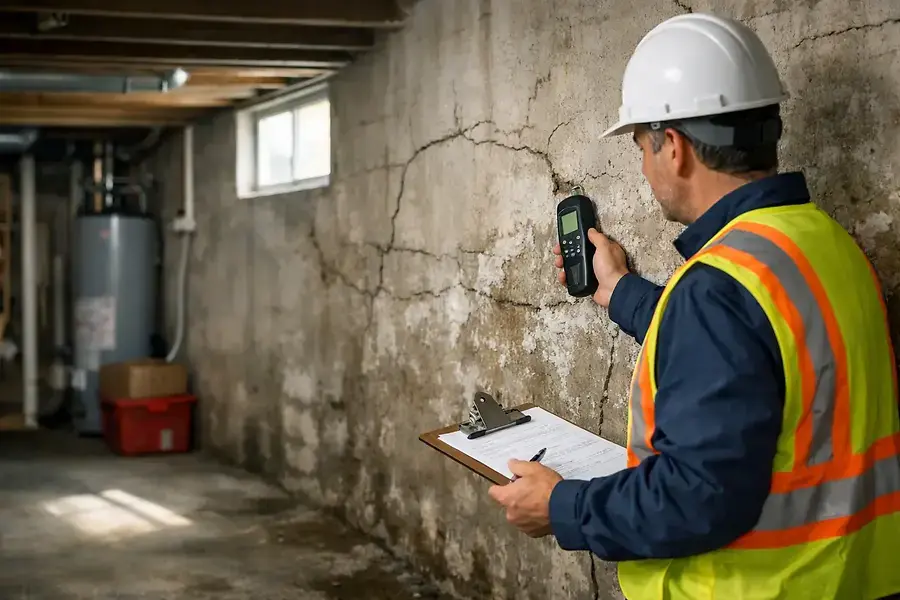
The foundation is the backbone of any home. Cracks, settling, or water damage to the foundation can lead to catastrophic structural problems and expensive repairs. During an inspection, look for:
- Visible cracks in the foundation walls or basement floors
- Water stains or moisture indicating past or present water intrusion
- Uneven floors or doors that don't close properly, suggesting foundation settling
- Bowing or leaning walls that indicate structural stress
- Efflorescence (white, chalky deposits) showing water movement through concrete
A professional inspector will measure cracks and determine whether they're cosmetic or require immediate attention. Minor cracks are common, but larger ones may signal serious foundation problems.
Roof and Exterior Structure
The roof protects everything beneath it, making its condition paramount. Inspect for:
- Missing or damaged shingles that expose the underlying structure
- Sagging roof lines indicating structural weakness or water damage
- Flashing issues around chimneys, vents, and skylights where leaks commonly occur
- Gutter condition and proper drainage away from the foundation
- Roof age and remaining lifespan (most roofs last 15-25 years)
Don't overlook the exterior walls either. Check for wood rot, pest damage, deteriorating siding, and inadequate caulking that could allow water infiltration.
Windows and Doors
Compromised windows and doors lead to energy loss and water damage. Evaluate:
- Broken or cracked glass
- Rotting frames or sills
- Proper sealing and weatherstripping
- Operational functionality of locks and hinges
Critical Systems: Plumbing, Electrical, and HVAC Assessment
Plumbing System Evaluation
Water damage is one of the most expensive problems homeowners face. A comprehensive plumbing inspection should include:
- Water pressure and flow from all fixtures
- Pipe material and condition (galvanized, copper, PVC, or PEX)
- Signs of leaks under sinks, around toilets, and in the basement
- Water heater age and condition (typical lifespan is 8-12 years)
- Septic system or municipal sewer connection functionality
- Drainage issues in bathrooms and kitchen
Pro Tip: Ask the inspector to run water in multiple fixtures simultaneously to check if water pressure drops significantly, which could indicate undersized pipes or blockages.
Electrical System Assessment
Faulty electrical systems pose serious safety risks, including fire hazards. Critical inspection points include:
- Panel condition and capacity to handle modern electrical loads
- Presence of outdated components like fuses instead of circuit breakers
- GFCI outlets in bathrooms, kitchens, and near water sources
- Proper grounding and bonding throughout the home
- Knob-and-tube wiring (a fire hazard found in older homes)
- Adequate outlets and no excessive extension cord usage
An outdated electrical panel may require expensive upgrades to support modern appliances and technology. This is a significant cost to factor into your decision.
HVAC System Inspection
Heating, ventilation, and air conditioning systems are essential for comfort and indoor air quality. Evaluate:
- Age and condition of furnace and air conditioning units
- System efficiency ratings and potential energy costs
- Ductwork integrity and proper insulation
- Thermostat functionality and programming capabilities
- Maintenance records showing regular servicing
- Carbon monoxide detectors near fuel-burning appliances
HVAC systems typically last 15-20 years. Replacing a furnace or air conditioner can cost $5,000 to $15,000, so understanding the system's age and condition is crucial for budgeting.
Conclusion: Making Informed Decisions with Inspection Results
A comprehensive home inspection is an investment in your peace of mind and financial security. By thoroughly evaluating the structural integrity, foundation, roof, exterior, plumbing, electrical, and HVAC systems, you gain a complete picture of the property's true condition.
Use inspection results strategically: If significant issues are discovered, you have several options. You can request the seller make repairs before closing, negotiate a credit toward repairs you'll handle yourself, or use the findings to renegotiate the purchase price. In some cases, the inspection may reveal problems serious enough to walk away from the deal entirely—and that's valuable information worth the inspection fee.
Remember, a professional home inspector is your advocate. They work for you, not the seller or the real estate agent. Take time to review the inspection report thoroughly, ask questions, and don't hesitate to request a follow-up inspection by a specialist if concerning issues are identified.
By following this comprehensive checklist and working with a qualified inspector, you'll make an informed decision that protects your investment and ensures your new home is a sound financial choice for years to come.