The Complete Home Inspection Checklist for Residential Property Buyers
Discover the critical items to evaluate before finalizing your residential property purchase.

Introduction: Why Professional Home Inspections Matter
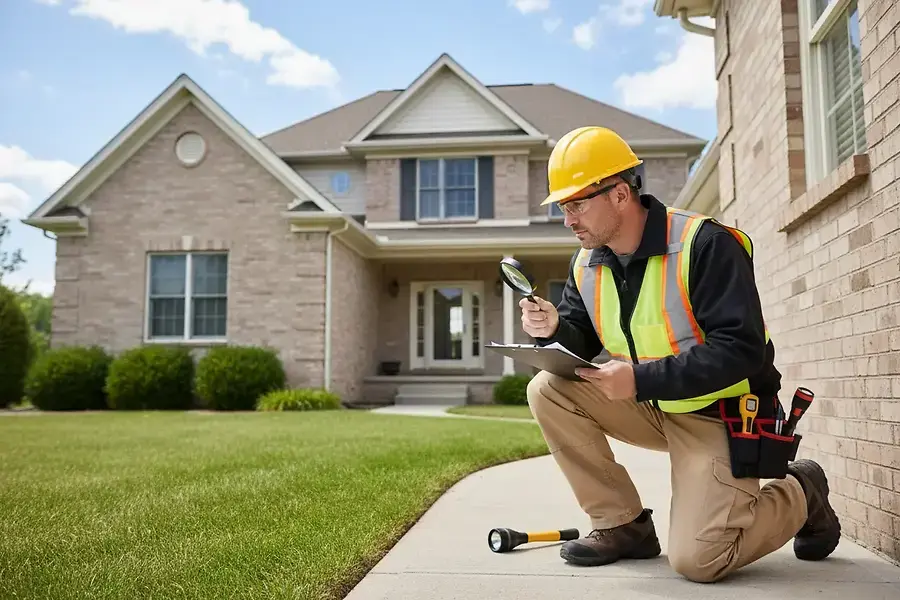
Purchasing a residential property is one of the most significant financial decisions you'll make in your lifetime. Before signing on the dotted line, a thorough home inspection is essential to protect your investment and uncover potential issues that could cost thousands of dollars in repairs. A professional home inspector examines every aspect of the property, from the foundation to the roof, identifying problems that may not be visible to the untrained eye.
Understanding what to look for during a home inspection empowers you as a buyer. Whether you're a first-time homebuyer or an experienced investor, this comprehensive checklist will guide you through the critical elements that deserve your attention.
Key Structural and Foundation Elements to Assess
Foundation and Basement Condition
The foundation is the backbone of any home. During your inspection, look for:
- Cracks in the foundation walls – Small hairline cracks are normal, but larger cracks may indicate serious structural issues
- Water damage or moisture – Signs of water intrusion, efflorescence, or mold growth suggest drainage problems
- Settling or shifting – Uneven floors or doors that don't close properly may indicate foundation movement
- Basement ventilation – Proper airflow prevents moisture accumulation and mold development
Roof and Attic
Your roof protects everything beneath it. Inspect for:
- Shingle condition – Look for missing, curled, or deteriorating shingles that may need replacement soon
- Flashing integrity – Damaged flashing around chimneys and vents can lead to leaks
- Attic ventilation and insulation – Proper ventilation extends roof life and improves energy efficiency
- Signs of leaks – Water stains on attic wood or insulation indicate past or present water problems
Exterior Walls and Windows
The exterior protects your home from the elements. Evaluate:
- Siding condition – Check for rot, warping, or damage that compromises weather protection
- Window and door seals – Deteriorated caulking or weatherstripping allows air and water infiltration
- Gutters and downspouts – Ensure they're properly installed and direct water away from the foundation
- Grading and drainage – The ground should slope away from the house to prevent water accumulation
Systems and Safety Features to Evaluate
Electrical System
A safe electrical system is crucial for your family's protection. Examine:
- Panel condition and capacity – The main electrical panel should be properly grounded and have adequate capacity for modern appliances
- Outdated wiring – Aluminum wiring or knob-and-tube wiring may pose fire hazards
- GFCI outlets – Ground fault circuit interrupters should be present in bathrooms, kitchens, and outdoor areas
- Proper grounding – Three-pronged outlets indicate modern grounding standards
Plumbing System
Water-related issues can be expensive. Assess:
- Pipe material and age – Galvanized pipes may be corroded; polybutylene pipes are prone to failure
- Water pressure and flow – Test multiple fixtures simultaneously to ensure adequate pressure
- Visible leaks – Check under sinks, around toilets, and in the basement for water damage
- Water heater condition – Note the age and maintenance history; replacement costs can be substantial
HVAC System
Heating and cooling systems require regular maintenance. Verify:
- Age and maintenance records – Systems typically last 15-20 years; request service history
- Proper ductwork – Ducts should be sealed and insulated for efficiency
- Thermostat functionality – Test heating and cooling cycles to ensure proper operation
- Filter accessibility – Easy access to air filters indicates proper maintenance capability
Safety Features
Your family's safety depends on proper safety systems:
- Smoke and carbon monoxide detectors – These should be present on every level and near bedrooms
- Fire extinguishers – Accessible fire extinguishers in the kitchen provide emergency protection
- Stair railings and handrails – Proper installation prevents falls and injuries
- Electrical safety – Ensure proper grounding and absence of exposed wiring
Appliances and Interior Features
While not always critical, appliance condition affects your move-in costs:
- Kitchen appliances – Test refrigerator, stove, dishwasher, and microwave functionality
- Flooring condition – Look for water damage, warping, or excessive wear
- Paint and wall condition – Note areas needing touch-ups or repairs
- Doors and locks – Ensure all doors operate smoothly and locks function properly
Conclusion: Using Inspection Findings to Make Confident Offers
A comprehensive home inspection provides you with the information needed to make an informed decision about your property purchase. Don't skip this critical step – the cost of a professional inspection is minimal compared to the potential expenses of undiscovered problems.
Once you receive the inspection report, review it carefully with your real estate agent. Use the findings to negotiate repairs or credits with the seller, or decide whether the property is worth the investment as-is. Remember, no home is perfect, but understanding what you're buying allows you to move forward with confidence.
By following this checklist and working with a qualified home inspector, you'll protect your investment and ensure your new home is safe, sound, and ready for your family to enjoy.


